





Canon develops APS-H size CMOS sensor with 250 million pixels
Este sensor más pequeño que los sensores de formato completo de 35 mm. ha sido capaz de captar imágenes en las que era posible distinguir las letras escritas en el lateral del fuselaje de un avión volando a 18 kilómetros de distancia.
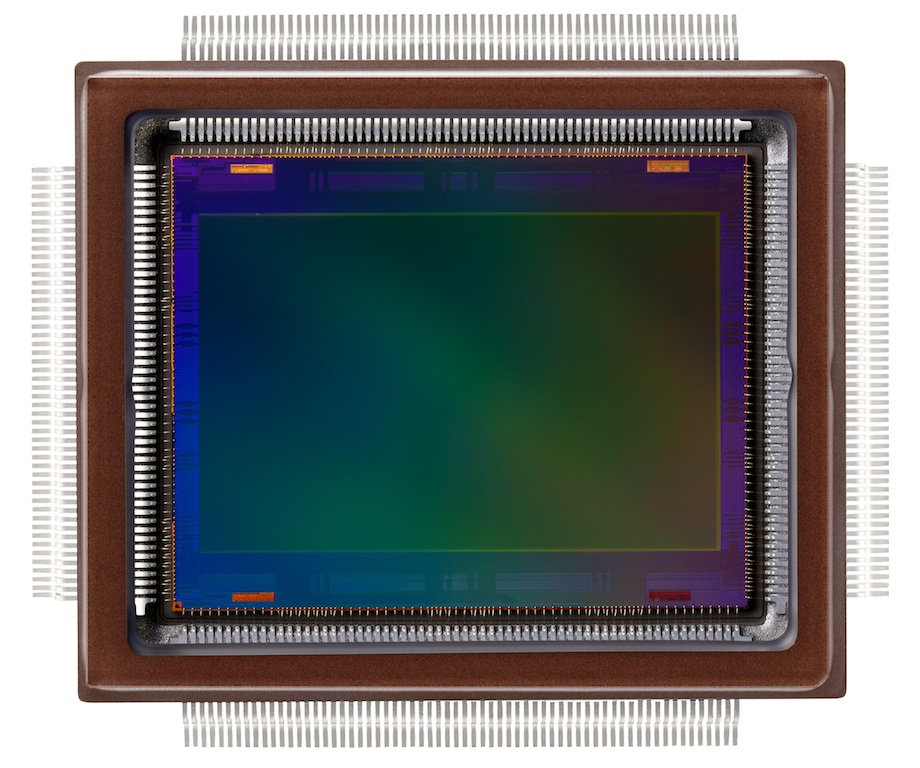
Canon está ultimando el desarrollo de un nuevo sensor CMOS de tamaño APS-H (aprox. 29,2 x 20,2 mm) que incorpora aproximadamente 250 millones de píxeles (19.580 x 12.600 píxeles), la cantidad de píxeles más alta del mundo en un sensor CMOS, más pequeños que los sensores de formato completo de 35 mm.
 Instalado en una cámara, el nuevo sensor ha sido capaz de captar imágenes en las que era posible distinguir las letras escritas en el lateral del fuselaje de un avión que volaba a una distancia de aproximadamente 18 kilómetros del lugar desde donde se disparó la cámara.
En los sensores CMOS, el aumento del número de píxeles supone un aumento del volumen de la señal, lo que puede causar problemas tales como retrasos en las señales y pequeñas discrepancias en los tiempos.
Sin embargo, el nuevo sensor CMOS desarrollado por Canon, a pesar de su número excepcionalmente alto de píxeles, consigue una velocidad de lectura de señal altísima, de 1.250 millones de píxeles por segundo, lo que resulta posible gracias a importantes avances en la miniaturización de circuitos y la mejorada tecnología de procesamiento de señales. Por esta razón, el sensor permite grabar vídeos con una cantidad de píxeles extraordinariamente alta a velocidades de cinco fotogramas por segundo.
Además, a pesar de la elevadísima cantidad de píxeles, Canon ha aplicado sus tecnologías de sensores, desarrolladas a lo largo de muchos años, para realizar una arquitectura adaptada a los píxeles miniaturizados que proporciona unos resultados de imagen de alta sensibilidad y poco ruido.
Las grabaciones de vídeo realizadas con la cámara en la que se instaló el sensor CMOS de aproximadamente 250 megapíxeles ofrecían un nivel de resolución aproximadamente 125 veces el del vídeo Full HD (1.920 x 1.080 pixeles) y aproximadamente 30 veces el del vídeo 4K (3.840 x 2.160 píxeles). La excepcionalmente alta definición, posible con este nuevo sensor, permitirá a los usuarios recortar o ampliar las imágenes de vídeo, sin renunciar a la resolución y claridad de la imagen.
Did you like this article?
Subscribe to our NEWSLETTER and you won't miss anything.
Related articles
 EOS R6 Mark III, Canon's new hybrid camera with a 32 MP sensor and 7K RAW recording
 DJI launches Mini 5 Pro drone: UHD recording and one-inch CMOS sensor in mini size
 Sony PXW-Z300, the new 4K 60P XDCAM camcorder with 17x zoom, 1/2-inch triple CMOS sensor and AI subject tracking
Sony PXW-Z300, the new 4K 60P XDCAM camcorder with 17x zoom, triple 1/2-inch CMOS sensor and AI subject tracking
Sony PXW-Z300, the new 4K 60P XDCAM camcorder with 17x zoom, 1/2-inch triple CMOS sensor and AI subject tracking
Sony PXW-Z300, the new 4K 60P XDCAM camcorder with 17x zoom, triple 1/2-inch CMOS sensor and AI subject tracking
 Canon develops the new Cinema EOS C400 with RF mount, full frame sensor and 6K RAW recording
 The Sony HDC F5500, with 4K Super 35mm CMOS sensor and global shutter, is now available in Europe
 The new Canon EOS R3 arrives, a mirrorless camera with a 24.1 megapixel sensor capable of capturing 6k video at 30p
 Sharp 8C-B60A: an 8K camcorder with 33 million pixels and a Super 35 CMOS 60p sensor
 World's first 8K 60 fps HDR CMOS sensor based on organic photoconductive technology
 Emili Planas (Mediapro) defends better pixels versus more pixels at BIT Experience
 Panasonic takes an image step with the development of the new CMOS sensor (APD-CMOS)
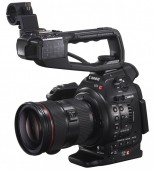 The Canon EOS C100 incorporates Dual Pixel CMOS AF autofocus technology
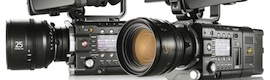 Sony expands its family of large sensor cameras with the new 4K F55 and F5
 The sky like never before, thanks to Canon's ultra-high sensitivity CMOS sensor