





Primer sensor CMOS 8K 60 fps HDR del mundo basado en tecnología fotoconductiva orgánica
Panasonic en colaboración con Fujifilm desarrolla un sensor OPF con una resolución de 38 megapíxeles que puede grabar en 8K, a 60 fps, con el obturador global CMOS HDR.
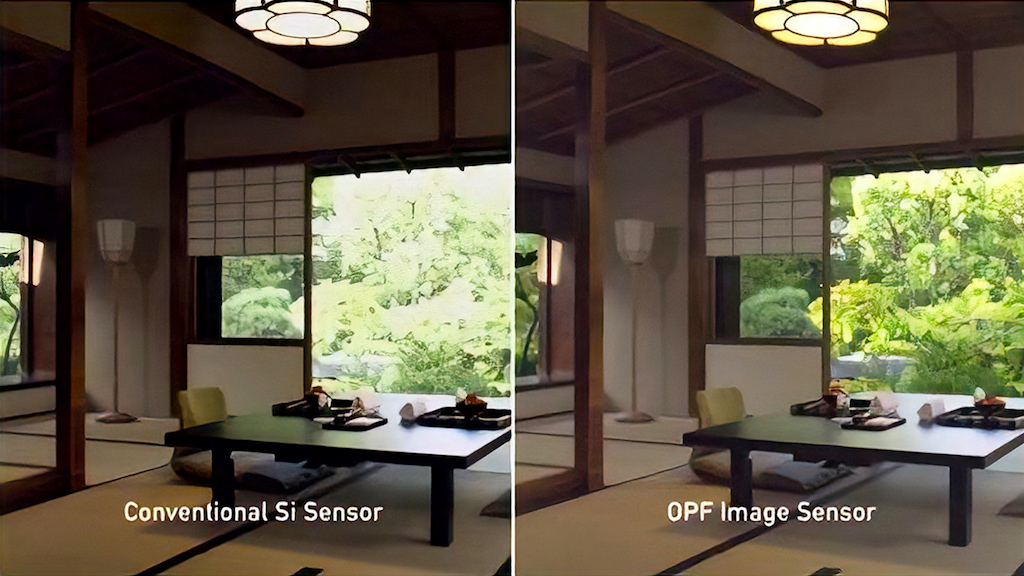
Tras cinco años de trabajos en colaboración con Fujifilm, Panasonic ha desvelado un nuevo sensor orgánico que grabará 36 megapíxeles (o resolución 8K) en 60 fps, con alto rango dinámico, y obturador global CMOS HDR.
Anteriormente era necesario mucho esfuerzo para hacer que los sensores CMOS acomodaran más y más píxeles, pero la desventaja es que el uso de rolling shutter tiende a distorsionar objetos en alto movimiento.
Los obturadores globales (como este lanzado por Panasonic) son capaces de evitar tal distorsión exponiendo todos los píxeles simultáneamente. Sin embargo, normalmente ofrecen un rango dinámico débil debido al número de veces que cada píxel deposita los electrones en la célula de memoria asociada. Además, la mayoría de los sensores globales sólo ve alrededor de uno a dos megapíxeles por resolución.
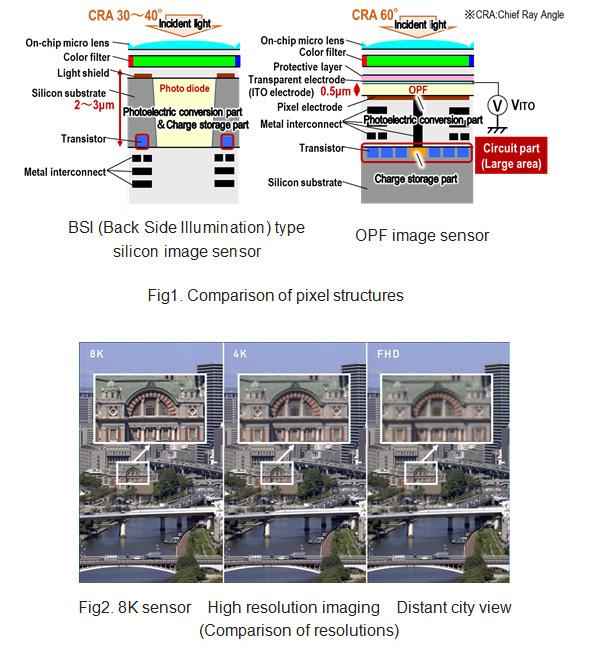
Para capturar escenas de alto movimiento en resolución ultra alta y con alto rango dinámico, Panasonic ha optado por dividir los circuitos CMOS de la conversión fotoeléctrica e insertar un revestimiento sensible a la luz (una película fotoconductiva orgánica o OPF) sobre un sensor CMOS y mientras el CMOS se utilizaba exclusivamente para cargar los condensadores de almacenamiento, la capa orgánica protegía la conversión de luz en los electrones.
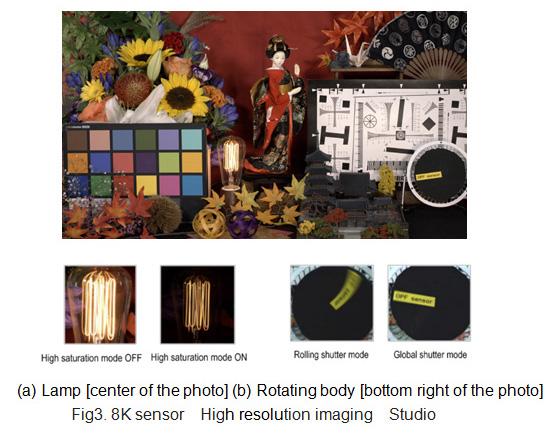
Dos modos diferentes
El sensor tiene dos modos diferentes, uno para mayor amplitud de luz (alta sensibilidad) y el otro para colores más profundos (alta saturación), que permite capturar un rango dinámico mayor en un solo disparo en comparación con otros sensores. Aunque pueden ser alternados, cuando está en modo de saturación alta, es posible capturar datos con una intensidad de luz de 450 mil electrones – o diez veces en el modo de alta sensibilidad.
Con esto, se puede grabar con una resolución de 8K, incluso en escenas de alto contraste, como en un campo bajo luz solar fuerte y asientos de espectadores sombreados bajo un tejado de estadio. Este ejemplo es de Panasonic y parece proponer una solución a los problemas que los broadcasters deportivos tienen en la cobertura de partidos de fútbol o eventos deportivos en áreas con alternancia de luz. Con mucho sol y sombra profunda o con mucha o sin exposición. Resumiendo, ya están pensando en la transmisión de los Juegos Olímpicos de Tokio 2020 que la japonesa NHK hará en 8K.
Según Panasonic, con el obturador global los usuarios pueden esperar capturar objetos en movimiento “instantáneamente sin distorsión”, incluso, en cámaras multiviewpoint. Además, como la cámara puede controlar automáticamente la sensibilidad del sensor orgánico ajustando el voltaje enviado al sensor (de acuerdo con el cambio de condiciones de luz), reduce la necesidad de usar los filtros ND en condiciones de mucha luminosidad.
Panasonic afirma poseer 135 patentes japonesas y 83 patentes en el extranjero (incluyendo las pendientes) relacionadas con esa tecnología. Aunque aún no ha desvelado qué aplicaciones dará a este desarrollo, Panasonic ha confirmado ya que incorporará la tecnología de sensor de imagen CMOS OPF en varias aplicaciones, incluyendo cámaras broadcast.
Did you like this article?
Subscribe to our NEWSLETTER and you won't miss anything.
Related articles
 DJI lanza el dron Mini 5 Pro: grabación UHD y sensor CMOS de una pulgada en tamaño mini
 Sony PXW-Z300, the new 4K 60P XDCAM camcorder with 17x zoom, 1/2-inch triple CMOS sensor and AI subject tracking
Sony PXW-Z300, el nuevo camcorder 4K 60P XDCAM con zoom 17x, triple sensor CMOS de 1/2 pulgada y seguimiento de sujeto con IA
Sony PXW-Z300, the new 4K 60P XDCAM camcorder with 17x zoom, 1/2-inch triple CMOS sensor and AI subject tracking
Sony PXW-Z300, el nuevo camcorder 4K 60P XDCAM con zoom 17x, triple sensor CMOS de 1/2 pulgada y seguimiento de sujeto con IA
 Watchity develops an R&D project to create the first virtual director based on Artificial Intelligence
 Sony brings the full frame sensor and interchangeable lenses to the PTZ world with the new FR7
 The Sony HDC F5500, with 4K Super 35mm CMOS sensor and global shutter, is now available in Europe
 Sharp 8C-B60A: an 8K camcorder with 33 million pixels and a Super 35 CMOS 60p sensor
 AJA expande su tecnología de flujo de trabajo basado en IP
 Panasonic takes an image step with the development of the new CMOS sensor (APD-CMOS)
 Canon desarrolla un sensor CMOS de tamaño APS-H con 250 millones de píxeles
 La tecnología orgánica profesional EL Master Monitor gana el premio de la Academia de Artes y Ciencias de EE.UU.
 La EOS C100 de Canon incorpora la tecnología de enfoque automático Dual Pixel CMOS AF
 New DE35-HD player, first media player for digital signage based on AMD from AOpen
 The sky like never before, thanks to Canon's ultra-high sensitivity CMOS sensor