





Vicomtech advances in the automatic generation of intra- and inter-lingua subtitles for live content
Dentro del proyecto europeo HBB4ALL, Vicomtech-IK4 implementa un piloto para la subtitulación automática de contenidos en español y traducidos al inglés.
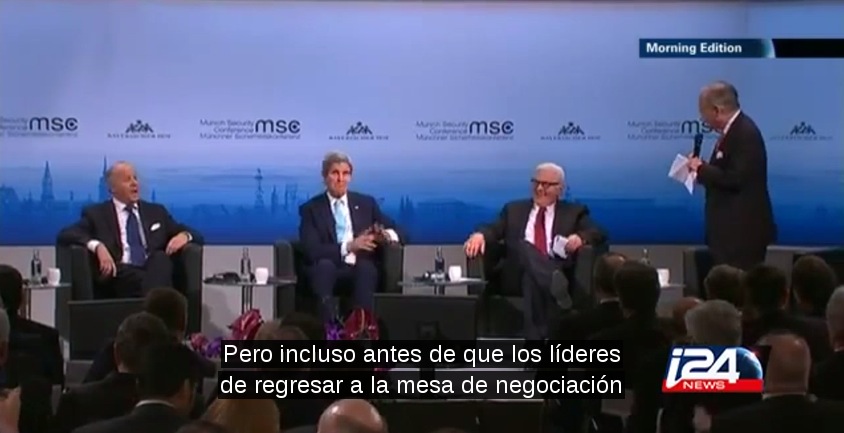
La subtitulación es el método preferido y más económico para hacer que los contenidos multimedia sean accesibles para personas con discapacidad auditiva y explotables en mercados internacionales donde se hablan idiomas distintos al original.
La subtitulación automática que genere subtítulos desde el audio de entrada sin intervención es una solución cada vez más demandada. Y la realidad es que hoy en día no existe ninguna tecnología para generar subtítulos automáticos en tiempo real sino que se siguen generando de forma manual.
El centro tecnológico Vicomtech-IK4 lleva años trabajando en el desarrollo de tecnología para subtitulación automática basada en tecnología de reconocimiento automático del habla y dentro del proyecto europeo HBB4ALL ha implementado un piloto para la subtitulación automática de contenidos en inglés emitidos en tiempo real (subtítulos intra-lingüe). Además, este piloto incorpora tecnología de traducción automática en tiempo real, lo que posibilita que estos subtítulos también puedan consumirse en castellano al haberse traducido en tiempo real del inglés (subtítulos inter-lingüe).
Además de ofrecer contenidos alternativos al contenido que el usuario ha elegido, esta tecnología se adapta a las características del dispositivo que el usuario esté utilizando. Esto se consigue gracias a que la tecnología de streaming adaptativo que permite adecuar los flujos de audio, vídeos y los subtítulos de forma independiente a las características del dispositivo final, tales como la resolución del dispositivo o la calidad de la conexión.
Este piloto es fruto de un proyecto europeo en el que participa Vicomtech-IK4 para integrar tecnología de accesibilidad a los contenidos multimedia producidos bajo el estándar HBBTV, tecnología para la televisión interactiva que pretende fusionar contenidos de televisión digital con contenidos web.
Concretamente, Vicomtech- IK4 ha integrado tecnología de generación de subtítulos intralingua (en el idioma original del contenido) e interlingua (traducidos), generando un flujo de vídeo en tiempo real que pueda ser consumido en cualquier dispositivo, incluyendo las televisiones conectadas a Internet. Todo ello con el fin de añadir nuevas experiencias y entornos a los espectadores.
El proyecto europeo denominado HBB4ALL, está liderado por la UAB y formado por 12 socios expertos en accesibilidad y entornos multi-dispositivo entre los que hay universidades, canales de televisión, productoras, centros de investigación y PYMES. Entre los socios, además de Vicomtech- IK4, podemos destacar al centro tecnológico alemán, IRT, Screen Subtitling Systems o las cuatro productoras de televisión RBB, RTP, TVC y SwisTXT, entre otros.
La tecnología de generación de subtítulos intra-lingüe viene como resultado del proyecto europeo SAVAS liderado por Vicomtech- IK4, que tuvo como fin desarrollar tecnología de subtitulación automática para 7 idiomas europeos. De la misma manera que la tecnología de traducción automática de subtítulos viene de otro proyecto europeo también liderado por Vicomtech- IK4, el proyecto SUMAT.
Cabe destacar que es una realidad la alta necesidad de subtitulación automática, ya que hay una ley audiovisual europea de 2010, que afecta a todos los Estados miembros, en virtud de la cual hay obligación de aumentar los contenidos subtitulados de forma progresiva hasta llegar al 90%. Actualmente no se cumple ese porcentaje, y el objetivo de la ley era alcanzarlo en el año 2013 pero la realidad es que hasta ahora no existe en el mercado tecnología que ayude a la subtitulación automática y en tiempo real. Aunque hoy en día no se penaliza el incumplimiento de esta ley, la accesibilidad a los contenidos es un tema aún pendiente y llegará un día en que todos los contenidos tengan que ser accesibles y si no lo son se empezará a sancionar. Por ello, la tecnología es indispensable para ayudar a que se realicen subtítulos de forma automática.
Marco legal
En los últimos años, la legislación sobre accesibilidad audiovisual se está volviendo más restrictiva. Como consecuencia del Artículo 7 de la Directiva Europea de Servicios de Comunicación Audiovisual, los Estados Miembros han ido tomando las medidas necesarias para garantizar que los servicios de los proveedores audiovisuales bajo su jurisdicción sean gradualmente accesibles para las personas con discapacidad auditiva o visual.
Acorde con la directiva europea, en 2010 las Cortes aprobaron con carácter definitivo una nueva Ley General de Comunicación Audiovisual a nivel estatal, que impuso por primera vez obligaciones de accesibilidad al contenido a todos los operadores de televisión. En concreto, las medidas de accesibilidad establecidas afectaron al campo de la subtitulación, audiodescripción y lengua de signos.
A pesar de la existencia de esta ley, a día de hoy la gran mayoría de canales de televisión incumplen estas obligaciones en cuanto al porcentaje de contenidos que han de ser emitidos con información accesible (más del 90% en subtitulación).
Para los contenidos pregrabados o emitidos en semi-directo, la subtitulación se realiza y se lanza de forma manual.
En cambio, para los contenidos en directo, algunas televisiones ya integran tecnología de reconocimiento automático de habla, pero siempre mediante la técnica del rehablado, en la que un profesional relocuta el contenido contra un reconocedor entrenado para su voz y en un entorno acústico controlado. “Este método garantiza buenos resultados y un retardo poco elevado, pero incorpora la dificultad del cansancio cognitivo del profesional, que de media sólo soportan 30 minutos seguidos de relocución, solucionándose mediante sustituciones. Además, cabe mencionar la alta tarificación de estos profesionales”, aseguran desde Vicomtech.
Did you like this article?
Subscribe to our NEWSLETTER and you won't miss anything.
Related articles
 LaLiga will apply Globant's agentic AI to generate automated content
 Ateme relies on Google Cloud AI to generate subtitles
 Media Excel and Six Floor Solutions: strategic alliance to “revolutionize” the distribution of content and the generation of highlights
 Brompton advances its third generation LED video processor for 8K Tessera SQ200 at NAB 2024
 TVU avanza en la próxima generación de revisión y repetición de deportes en directo
 RTVE and Vicomtech collaborate to promote accessibility to audiovisual content
 Panasonic's next-generation live event IP solutions debut at IBC
 VoiceInteraction presents a fully automatic all-in-one solution for subtitles,
 This is the new generation of 4K live cameras from Sony
 Telestream to present one-box solution for subtitle encoding for multiple live streams at NAB
 Vicomtech-IK4 implements a pilot for automatic generation of intra- and inter-lingua subtitles
 Tedial exhibits at IBC a new generation of MAM for preparation and distribution of content in any resolution
 Towards a new generation of solutions for content management and filing systems
 VSN and Flumotion open a collaboration line for automatic publication of multi-device content