





Ericsson logra reducir al 50% el tiempo de despliegue de las nuevas redes 5G
La multinacional lanza una solución que perfecciona el proceso de fabricación de redes con la velocidad, calidad y predictibilidad que los operadores necesitan para construir sus futuras redes, en especial las de 5G.
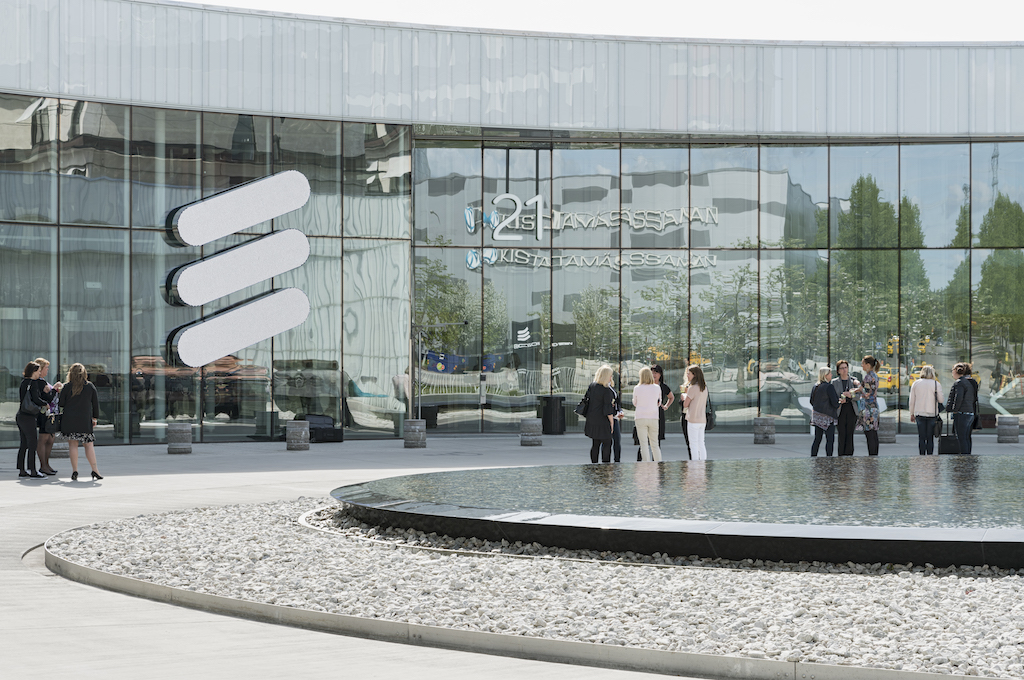
Ericsson ha desarrollado una nueva solución que acelera y perfecciona el proceso de fabricación de las redes para que los operadores reduzcan sus tiempos de comercialización y mejoren el retorno de su inversión.
Creada a partir de diversos proyectos piloto realizados con éxito en los mercados desarrollados y emergentes, Accelerated Network Build incrementa la velocidad al reducir en un 50% el tiempo de fabricación, mejora la calidad al disminuir el número de visitas a la web en un 70% y también la predictibilidad, con un 99% de primeras entregas correctas. Al mismo tiempo, supone un impacto mínimo para los clientes de los operadores en la incorporación de nuevas tecnologías y mejora la cobertura y la capacidad.
Fredrik Jejdling, director de la unidad de negocio de Servicios de Red de Ericsson, afirma que “los resultados de las pruebas piloto demuestran que Accelerated Network Build marca la diferencia para nuestros clientes. Al combinar innovación tecnológica y herramientas en la nube con procesos mejorados, nuestra solución revolucionará el modo de fabricar las redes y establecerá nuevos estándares en la industria”.
Michael Sullivan-Trainor, analista del Technology Business Research (TBR) de Telecom Practice, añade que “acelerar los plazos de obtención de ingresos y reducir el coste es necesario; hoy en día representa un punto débil para los operadores que debe abordarse con innovación. Las nuevas tecnologías van a hacer las cosas todavía más complejas y Ericsson llega muy oportunamente para abordar el problema de cómo ajustar el modelo de despliegue de infraestructuras, tanto para hoy como para mañana, cuando el 5G y el Internet de las Cosas sean una realidad”.
Según el informe Ericsson Mobility Report, el 5G llegará más rápidamente que las anteriores generaciones de redes y las suscripciones superarán los 500 millones a finales de 2022. Los dispositivos del Internet de las Cosas también tendrán un crecimiento espectacular y superarán a los teléfonos móviles como primera categoría de dispositivos conectados ya en 2018″.
Esto implica que los operadores tendrán que fabricar las redes del futuro más rápidamente que nunca, con un impacto mínimo en sus procesos de negocio durante este proceso. Las soluciones actuales y los métodos tradicionales de la fabricación de redes implican múltiples transferencias entre las actividades y las partes, lo que se traduce en unos tiempos de despliegue demasiado lentos.
El suministro mejorado de la nueva solución reduce el tiempo necesario en el mismo lugar y las herramientas y actividades remotas asumen el control del despliegue en tiempo real. Esto acelera el proceso de fabricación y elimina la necesidad de volver al mismo sitio para evaluar el nivel de cumplimiento de la calidad.
Did you like this article?
Subscribe to our NEWSLETTER and you won't miss anything.
Related articles
 Chyron adds new capabilities for the deployment of Camio in the cloud
 Viz Now reduce el tiempo de despliegue de las producciones en directo basadas en la nube
 ¿Cómo será el despliegue masivo de estaciones base en las nuevas redes 5G?
 5G Americas publica un White Paper que analiza el futuro de las nuevas redes
 Ericsson y Vodafone llevan a cabo la primera comunicación holográfica en 3D sobre redes 5G
 Orange y Ericsson logran en España velocidades superiores a los 15 Gbps y vídeo 4K en tiempo real sobre 5G
 Cellnex pretende acelerar el despliegue de redes en entornos urbanos gracias a un acuerdo con Haya Real
 TRedess allows the deployment of DTT networks with great flexibility and ease of operation
 Ericsson logra una conexión superior a los 7 Gbps sobre 5G en un vehículo en movimiento
 Ericsson Innovation Roadshow: pasión por la innovación en media, redes, industria, transporte o energía
 Ericsson will show its latest proposals for content distribution on mobile networks at the Mobile World Congress
 Ericsson continues to focus on network optimization for multiplatform distribution
 Ericsson presenta la primera solución para emisión de vídeos a través de redes LTE
 'Eva's fish tank', an innovative format that combines TV with social networks in real time