





Definitive agreement in the European Union to guarantee free Internet access points
The European Commission wants to promote free Wi-Fi connectivity for citizens and passers-by in public spaces such as parks, squares, official buildings, libraries, health centers and museums throughout Europe through WiFi4EU
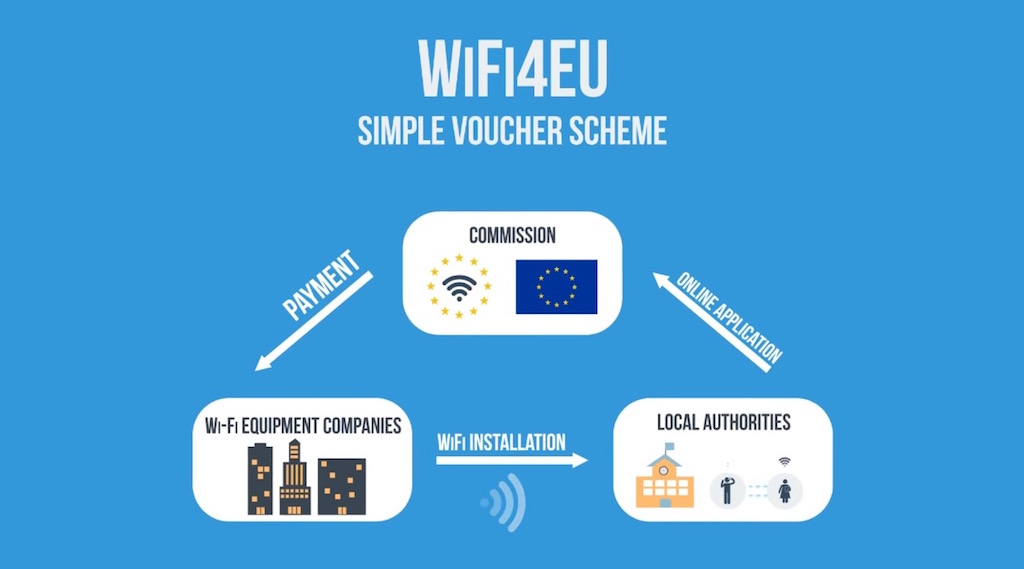
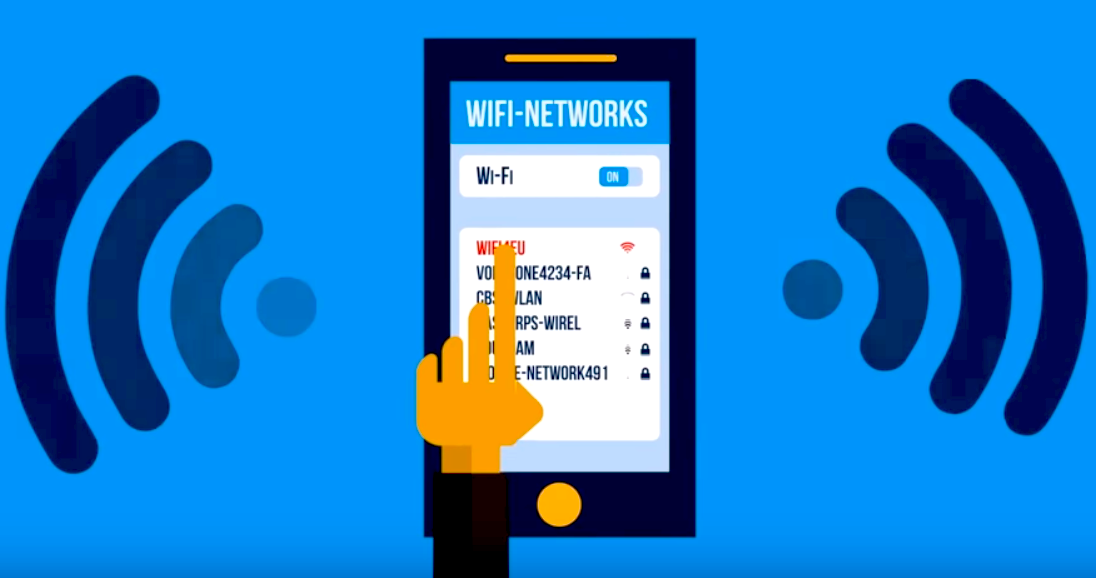
The European Union will sponsor free wireless Internet access points in town halls, libraries, parks and other public spaces thanks to a new system called WiFi4EU within the framework of a project to which the Council of Europe has given the definitive green light. An easily recognizable multilingual WiFi4EU portal will provide access to a secure high-speed connection in at least 6,000 local communities in the EU by 2020. An informal agreement was reached with the European Parliament on this system in May this year.
 Urve Palo, Minister of Entrepreneurship and Information Technology of Estonia (the state that presides over the Council of Europe), has assured that "thanks to the WiFi4EU system, many citizens will be able to more easily access a high-quality Internet connection, and municipalities, libraries and other public bodies will have the opportunity to promote their digital services. It is even possible that this initiative will drive a virtuous cycle of investment."
Under this system, councils, hospitals and other public sector bodies will be able to request funding for the installation of new Wi-Fi access points where there is no similar public or private Internet connection, as this would be doubled with the new access points. The public body in question must also commit to maintaining the new connection for a minimum period of three years. The application procedure will be simple: the Commission will manage a dedicated online platform, and EU aid will cover up to 100% of eligible costs.
The total amount of EU funding for this scheme could reach €120 million by 2019. Funds will be allocated ensuring geographical balance across all EU countries and, in principle, on a first-come, first-served basis. The Commission will be responsible for determining the exact selection criteria and managing the system.
The first call for projects is expected to be launched towards the end of the year or early 2018. The Commission provides more information on this project in its website.
https://www.youtube.com/watch?v=FvaJIPg0Pxw
Did you like this article?
Subscribe to our NEWSLETTER and you won't miss anything.
Related articles
 RTVE and FORTA join forces to test DVB-I, a standard that takes the union of TV and Internet to the next level
 Disguise receives £1.2 million from the UK and the European Union to develop immersive technology
 EGEDA: collaboration agreement with Segofinance to improve access to financing
 The European Union will defend a common position to guarantee access to radio space at WRC-23
 The European Union eliminates geographical restrictions for video platforms
 The European Union shields the sub-700 band for broadcasting, at least until 2030
 The Professional Football League must guarantee Mediaset access to the matches
 The European Union opens a public consultation to review copyright rules for satellite and cable broadcasting
 Ericsson leads a new European Union project to standardize 5G
Filmbox, the online marketplace for producers, now with free access for one month
Ericsson leads a new European Union project to standardize 5G
Filmbox, the online marketplace for producers, now with free access for one month
 José Antonio Sánchez presents five strategic points in Parliament to guarantee the viability of RTVE
 The European Union opens a consultation on crowdfunding
 Creative Europe: the European Union presents a plan to promote the cultural and creative sectors
 Endemol and AOL sign an agreement to co-produce reality shows for the Internet