





Industrial digitalization will increase operators' income by 36% in 2026
At MWC 2018, Ericsson outlines a roadmap for operators to make the most of their revenue potential derived from industrial digitalization driven by 5G.
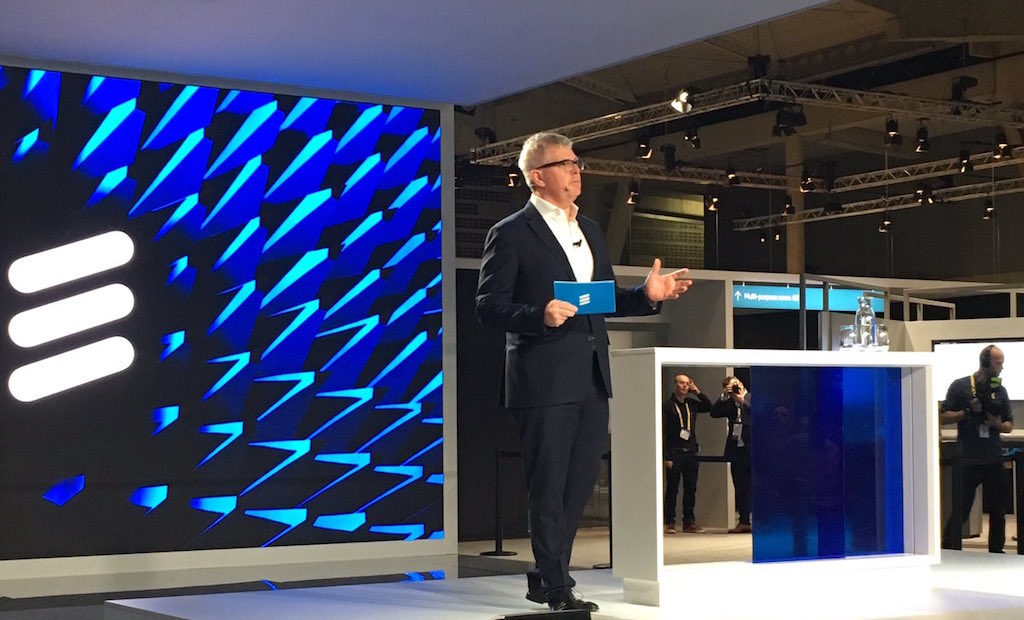
In its report on 5G-IoT presented this Monday at the Mobile World Congress in Barcelona, Ericsson lays out a roadmap for operators to take advantage of the income potential of industrial digitalization driven by 5G.
The previous 5G Business Potential report revealed that operators can add some revenues between $204 and $619 billion (12-36%) to their previous revenue forecasts of $1.7 trillion in 2026. They could achieve this by prioritizing the digital transformation of other industries such as automotive and manufacturing, using 5G-IoT technology.
In its latest 5G-IoT report, Ericsson analyzes more than 400 use cases in the digital industry in 10 sectors: energy and utilities, manufacturing, public safety, healthcare, public transportation, media and entertainment, automotive, financial services, retail and agriculture.
Of the 400 use cases, 5G is expected to play a vital role in more than 200. These cases were grouped into areas where it is expected to boost revenue opportunities and overcome challenges related to their deployment.
Thanks to extensive operator engagements and a carefully selected analytical framework, Ericsson has created a complete guide for operators to face a series of challenges. The report also highlights how use cases can evolve to achieve the full business potential generated by the digitalization of the 5G industry. Finally, it includes several operator initiatives and shares some defined conclusions to date.
5G revenue
Revenue from digitalization for ICT industry players is expected to grow by 13.6% annually, while revenue for current operators will increase by 1.5%. As 5G becomes more vital to industries, revenue opportunities for operators will continue to grow. Of the total value of 5G expected for 2026, up to 47% can be used by operators. Thanks to the evolution of use cases and areas, operators can now begin to maximize the options of 5G-IoT and industrial digitalization to take advantage of their full business potential.
Ericsson has identified nine areas that cover almost 90% of 5G business opportunities. Of all of them, the main one is real-time automation, with a potential of 101 billion dollars in 2026, followed by improved video services, with a forecast of 96 billion that same year.
Thomas Noren, Director of 5G Marketing at Ericsson, says: "Our use cases have shown that operators use strategic and operational activities to address the challenges arising from the success of their offerings. Although they are not yet 5G offerings, these activities (such as marketing channels, trials and experimentation) will be equally, if not more important, as they evolve towards 5G."
This same year, Ericsson also launched the report on The industrial impact of 5G, with opinions from more than 900 companies with more than 1,000 employees in 10 different industries. This report revealed that testing of 5G use cases will begin in 2018, after which activities will increase rapidly, and more than 70% of companies will focus on having use cases in production by 2021. Manufacturing, energy and utilities, public transportation and financial services are the industries most likely to have use cases in production in 2020.
Los principales factores para dar el siguiente paso al 5G desde un punto de vista estratégico son: aprovechar la ventaja como pioneros (73%); posicionarse como innovadores industriales (54%); impulsar los factores que hacen posible la transformación digital (53%) y construir una base sólida para el IoT (46%).
Did you like this article?
Subscribe to our NEWSLETTER and you won't miss anything.
Related articles
 The 2026 World Cup will be seen on RTVE and on payment operators via Mediapro
 Telefónica will increase its exclusive LaLiga days for the 2026/27 season
 Más de la mitad de los operadores en Norteamérica y América Latina llevarán a cabo pruebas de 5G en 2017
 Consumers demand that operators improve the online experience
 Ericsson opens a cloud laboratory in Italy to foster innovation and collaboration with operators
 Ericsson willing to accompany broadcasters and operators throughout the entire value chain in their next challenges
 Indie filming, social TV and makeup for television, in La Industrial
 Industrial Media announces new microcourses and launches online training
 Seminar 'Pitching or how to present a project in 5 minutes', at La Industrial Media
 La Industrial Media is born, a new model of advanced audiovisual training
 IPTV penetration will increase by around 36% until 2015
 Aicox shows at Matelec the latest applications of its industrial catalog
 The Government will increase investment in R&D&i by 6,000 million by 2015
The Association of Andalusian Audiovisual Industrial Production Companies is born
The Government will increase investment in R&D&i by 6,000 million by 2015
The Association of Andalusian Audiovisual Industrial Production Companies is born