





La japonesa Capcom integra en sus estudios los monitores Genelec The Ones
El estudio de videojuegos Capcom, con títulos como ‘Street Fighter’, ‘Resident Evil’ y ‘Monster Hunter’ en su catálogo, opta por los monitores de Genelec en un nuevo estudio configurado en 7.1.4.
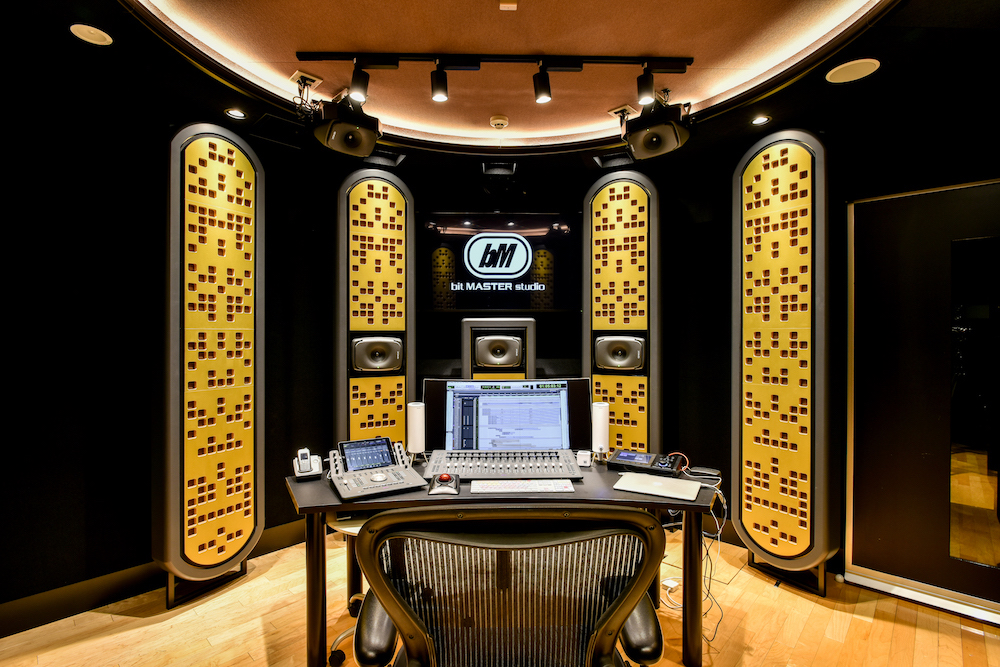
Capcom, uno de los desarrolladores de juegos más famosos del mundo, con títulos como Street Fighter, Resident Evil y Monster Hunter en su catálogo, es toda una referencia en la que exquisitez con la que trata el audio. En sus instalaciones en Japón, podemos encontrar más de 300 monitores Genelec.
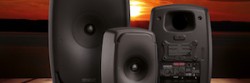
Recientemente ha actualizado su Estudio B, rebautizado ahora como Dynamic Mixing Stage y dotado con sonido envolvente 7.1.4. Esta instalación representa la instalación más prestigiosa de Japón hasta la fecha de los monitores fuente coaxiales 8331 y 8341 de la gama The Ones de Genelec. Antes del rediseño, el Estudio B contaba con los monitores Genelec 1031.
“Nuestro trabajo de estudio ha cambiado drásticamente en los últimos dos años”, explica Kazuya Takimoto, del departamento de producción de sonido de la división de producción de Capcom. “Para nuestros títulos de juegos más grandes siempre hemos insertado películas cortas y animadas llamadas ‘escenas de corte’, que impulsan la trama hacia adelante. Los jugadores los miran en lugar de jugarlos, como las escenas de una película”. “Pero para Resident Evil 7, que publicamos el año pasado, cambiamos la forma en que lo hacíamos para que todas las escenas cinematográficas se pudieran reproducir, lo que significaba que no había más escenas cortadas. Ese tipo de producciones fijas, parecidas a películas, aparecerán con mucha menos frecuencia en el futuro, por lo que decidimos que las instalaciones de nuestro estudio deberían reflejar ese cambio, convirtiéndose en un espacio de trabajo para manejar la mezcla general del juego, en lugar de solo esas películas. como momentos. Para lograrlo, diseñamos el diseño de la habitación desde cero y tratamos de introducir soluciones más compactas. Finalmente, reinventamos el estudio con un concepto completamente nuevo”, añade.
Si bien puede parecer poca diferencia entre la creación de un gran audio para una escena de corte frente a una experiencia de juego completa, para Capcom el cambio se debió en parte a la racionalización del flujo de trabajo general para fomentar la eficiencia. “La diferencia es si trabajamos dentro de Pro Tools o en motores de desarrollo de juegos”, explica Takimoto. “Recientemente hemos utilizado muchos middleware, como Audiokinetic Wwise, que nos permite mezclar con una interfaz gráfica de usuario en lugar de tener que importar una mezcla de Pro Tools”. Sin embargo, igual de importante fue la localización del sonido.
“Nuestro objetivo era establecer un espacio donde pudiéramos escuchar los sonidos con claridad y precisión en 360 grados. Los juegos a menudo se experimentan en estecamino. Por ejemplo, a veces tenemos que dar a entender que un enemigo se ha movido detrás del jugador, y eso se convierte en algo más que sonido ambiental, es información importante”. Para lograr su visión, Capcom trabajó con Sona Corporation en el diseño de la sala. “No significa que nos planteemos producir títulos que admitan audio 3D”, aclara Takimoto, “pero es cierto que la industria de los juegos presta más atención en general a un sonido de 360 grados, y eso debe reflejarse en un sistema de monitoreo”.
La solución Genelec de Capcom está configurada principalmente para un entorno 7.1.4, con tres monitores 8341 empleados en las posiciones izquierda-centro-derecha, ocho 8331 que cubren áreas envolventes y dos subwoofers 7360 que manejan el contenido LF. Pero el estudio también está listo para que Dolby Atmos se expanda a 9.1.4 canales, y “además, según los consejos de Sona Corporation, el estudio puede soportar Auro-3D en 13.1 con relativa facilidad”, dice Takimoto.En cuanto a la elección de The Ones, Takimoto decidió desde el princ
ipio que “como se trataría de un estudio con soporte Dolby Atmos / DTS: X, teníamos que usar altavoces coaxiales”. Sabíamos que la habitación sería pequeña y creíamos que los altavoces coaxiales, que tienen características de fase muy concretas, serían la mejor opción. Luego descubrimos que Genelec estaba a punto de lanzar los 8331 y 8341, The Ones, ¡y supimos inmediatamente que eran los que necesitábamos!”, confiesa Takimoto.
Además, describe el sonido de The Ones como “muy claro y fácil de escuchar”.”Suena tal y como hubiera imaginado”, concluye.
Did you like this article?
Subscribe to our NEWSLETTER and you won't miss anything.
Related articles
 Hardwell renews its studio with smart active monitors from Genelec
 Localization company Iyuno remodels its Parisian studios with Genelec monitors
 China Film Group integrates 147 Genelec monitors in its 28 recording studios and theaters
 Atomic Production embraces immersive sound with Genelec monitors
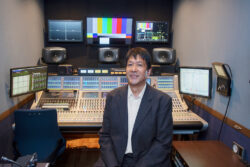 La japonesa ABC actualiza su UM 202 con sonido inmersivo 5.1 y monitorado Genelec
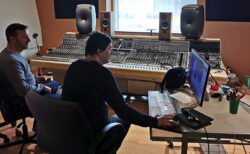 El estudio de grabación La Casamurada confía en los monitores Genelec The Ones 8361
 3Cycle studios begin their activity in Rome with Genelec monitors in their numerous rooms
 The Japanese CyberAgent equips its eight studios with Panasonic Kairos
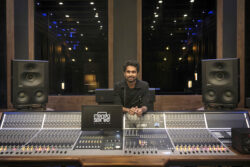 Los monitores Genelec ofrecen una producción musical de alta gama a los estudios Mondosonic
 El compositor Federico De Robertis descubre el brillo de los monitores Genelec
 Genelec supplies all monitors to Pressure Cooker Studios
 Genelec launches new Smart Active monitors
 U2 producer Andy Barlow trusts in the excellence of Genelec monitors
 Genelec lanza “The Ones”, los monitores coaxiales de tres vías más pequeños del mundo