





RTVE and Telefónica make the first remote production without a mobile unit thanks to edge computing
Edge computing technology provides high bandwidth in real time and low latency of between 3-5 milliseconds, which allows remote execution, avoiding the movement of a mobile unit.
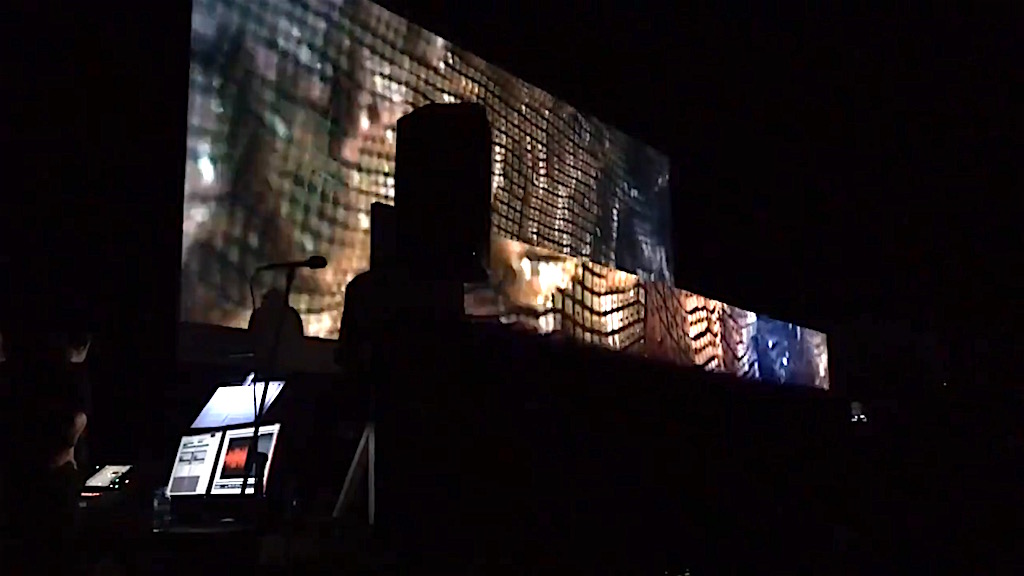
RTVE y Telefónica This Tuesday they carried out a pioneer innovation pilot that allows replace mobile fulfillment and production units for a simple edge connection of Telefónica.
 The retransmission via streaming from Matadero Cinematheque Madrid of the radio theater Radio is a Dream, organized by Radio 3, is the first to be carried out using edge computing technology, which provides real-time bandwidth and low latency of between 3-5 milliseconds that many services and applications such as 8K video, virtual and augmented reality or robotics that will become widespread with the arrival of 5G will require.
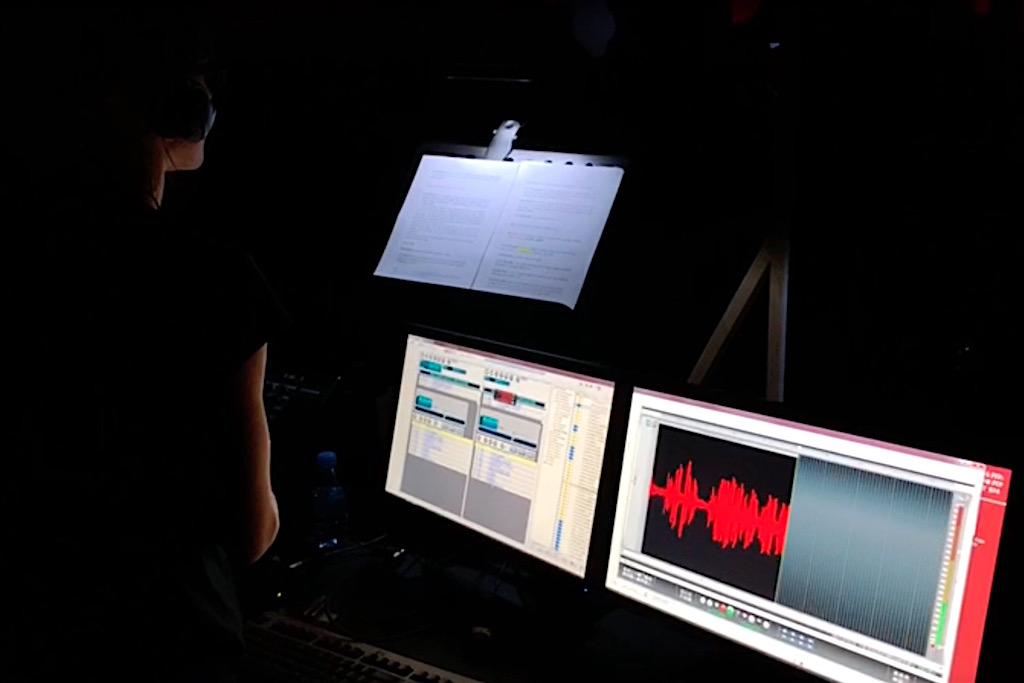
Three cameras, connected to Telefónica's edge by its current fiber network from Matadero, captured the experience in situ while a technical team was in charge of the production from the RTVE facilities in Torrespaña (Madrid) using a remote interface to produce the content, thus avoiding the displacement of a mobile unit and the production team.
Production from the Edge is a new service that has been developed by Telefónica's Innovation area in collaboration with RTVE and the Polytechnic University of Madrid as part of a pilot project funded by the European Commission called 5G Media in which all three participate.
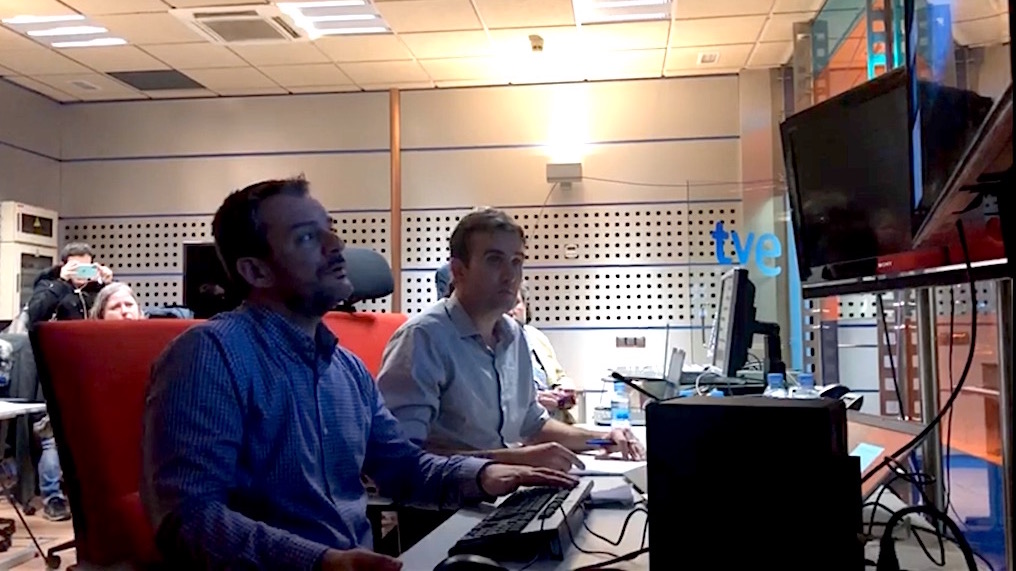 The service improves current television production processes, makes them simpler and speeds up response times to cover events. This is achieved by replacing the usual technical and human deployment that television production entails through mobile units with the simple connection of cameras and sound equipment directly to Telefónica's edge.
It also maintains the quality and optimal latency that conventional production requires, a very important factor, for example, in the broadcast of sporting events. In this way, heProduction is greatly simplified as it can be carried out simultaneously from almost any point, thus avoiding large technical and human deployments and achieving savings of more than 30%.
"This is the fourth service based on edge computing that we are testing this year and the first in which broadcasting technologies converge with telecommunications. The range of possibilities that this new service opens up is enormous and we are very satisfied that RTVE has been the first television that has seen the transformative potential that this technology has for television production," he noted. David del Val, Director of Product Innovation at Telefónica.
 For its part, Pere Vila, director of Technological Strategy and Digital Innovation at RTVE, has pointed out that "as a public entity, for RTVE to participate in this European project and do so with a technological partner like Telefónica is very important because we are testing emerging technologies that will undoubtedly open the door to new forms of production of more agile and powerful content to provide to viewers."
The radio is a dream, created by the radio drama team of Radio 3, a station that this year celebrates its 40th anniversary, is also a pioneering program as it is the live broadcast of a dream. A new model of electroencephalograph and innovative technology developed by engineers transform the electrical signals produced by the brain of a volunteer patient into images and sounds that the audience could follow live. The objective of the experiment is the confirmation of a hypothesis posed by the multidisciplinary artist Iury Lech who maintains that it is possible to induce certain dreams.
Did you like this article?
Subscribe to our NEWSLETTER and you won't miss anything.
Related articles
 Grass Valley Delivers China's First 100% IP UHD Mobile Unit
 EITB launches its first UHD mobile unit, designed and integrated by Unitecnic
 EMG debuts its first mobile unit on a 19T electric truck
 Hi human interface is consolidated in the main mobile unit of RTVE
 Telefónica promotes remote realization in edge computing with Real Madrid TV
 Telefónica opens its 5G network and edge computing to startups to develop new services
 RTBF receives its first fully IP mobile unit
 Telefónica Servicios Audiovisuales provides IB3 Radio with a new mobile unit
 'Radio is a dream', by Radio 3, new sound fiction with remote production edge computing 5G
 Setemedia completes the integration of its first mobile unit with 4K cameras
 Hurí will debut its new 4K-12G mobile production and transmission unit at the 4K Summit
 NHK and Ikegami complete the first 8K mobile unit
 'Velvet', the first series that blind people can follow thanks to a mobile application
 Argentina launches its first 3GB/3D mobile unit with Pulsar TV