





BBC recurre a las cámaras de Panasonic para rodar su nuevo documental ‘Snow Cats&Me’
El nuevo documental del cineasta escocés Gordon Buchana, emitido en BBC Two, combina las cámaras de Panasonic VariCam LT, EVA1 y Lumix S1.
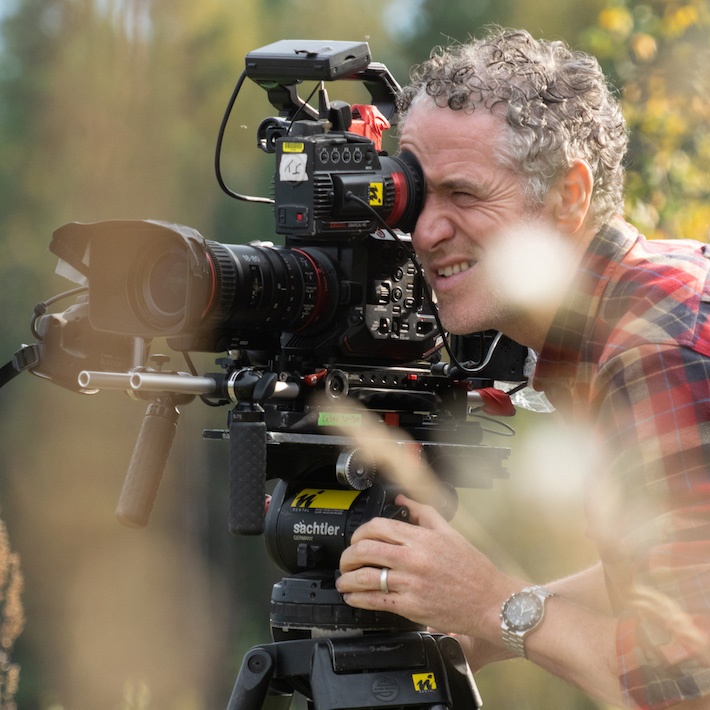
The cameras of Panasonic fueron las encargadas de capturar las impactantes imágenes del documental Snow Cats & Me, un programa realizado por el cineasta escocés de vida salvaje Gordon Buchana, produced by Johny Young y Ted Robles y emitido en el canal británico BBC Two.
El objetivo del programa era seguir la vida de un grupo de linces que fueron rescatados, rehabilitados y liberados en los bosques rusos. Llegar a ellos no es tarea fácil ya que su hábitat natural se halla en lugares recónditos y con condiciones metereológicas extremas.
El documental,dividido en dos partes, fue filmado en Rusia por un pequeño equipo móvil de filmación. Se realizaron tres secuencias en un período de siete meses para poder contar con detalle la historia de los linces.
En la primera sesión, el equipo utilizó la cámara Panasonic VariCam LT, con la que ya habían trabajado en proyectos anteriores. Además, ésta era lo suficientemente robusta para aguantar condiciones climáticas adversas y era capaz de capturar tanto la increíble vida salvaje como la sincronización visual de los presentadores.
Para la segunda y tercera sesión, el equipo estuvo muchos días en el bosque, trabajando en un escenario desconocido y arriesgado. Esta situación convirtió el trípode de la primera cámara en un obstáculo y el equipo decidió cambiar a la Panasonic EVA1 de VI Rental Bristol, una cámara más liviana y totalmente portátil, pero que mantiene las características en cuanto a calidad de película.
“Mi estilo es principalmente manual y reactivo”, describe Jonny Young, productor de la serie. “Cuando Gordon está interactuando con los animales, puedo obtener tomas de enlace estando hasta a 10 y 15 metros de distancia. EVA1 se convirtió en nuestra principal aliada después de decidir que la LT, aunque fuese una cámara fantástica para la primera sesión y nos diera unas imágenes espectaculares- era demasiado pesada para correr y filmar al mismo tiempo”
El equipo necesitaba una cámara que pudiera ofrecer el mismo extenso gamut de colores, and wide dynamic range y los ajustes de ISO nativa dual de la VariCam LT, pero que también fuese lo suficientemente compacta y ligera como para llevarla por el bosque todo el día. EVA1 con el kit de montaje adaptable, el sensor de imagen 5,7 K Super 35 mm, una lente y trípode Canon CN20 de 50-1000 mm cumplió las características idóneas para dichas circunstancias.
Además del kit de herramientas para el documental, el equipo también utilizó la cámara Panasonic Lumix S1 para las fotografías de prensa y publicidad. “La cámara S1 fue más que suficiente para estas fotografías, pero fue además todo un descubrimiento; las capacidades de video de esta pequeña cámara nos sorprendieron muy gratamente. Sabíamos que íbamos a necesitar disparar a los linces corriendo y saltando a alta velocidad. En algunas ocasiones solo teníamos una oportunidad para un movimiento en particular, por lo que necesitábamos el mayor número de cámaras posibles apuntando al animal cuando entraba en acción. La S1 fue una opción innovadora para nosotros; se trata de una cámara más económica pero apta para filmar videos de alta velocidad, manteniendo, a la vez, el estilo de la línea de cámaras de Panasonic”, afirmó Jonny.
Para los cineastas era muy importante que el programa abriese un debate más profundo sobre el impacto de la cautividad. “La cautividad está siempre en el centro de nuestros programas”, explica Ted. “Esta serie estuvo motivada, en parte, por la frustración que nos produce la creencia errónea y sin fundamentos, de que los animales cautivos no pueden ser devueltos a la naturaleza. Dos de los linces de este documental nunca habían sido libres hasta este experimento del Dr. Victor Lukarevskiy. Sin embargo, finalmente fueron liberados, lo que es una muy buena señal”.
https://www.youtube.com/watch?v=WqOSy5qyJBk
Did you like this article?
Subscribe to our NEWSLETTER and you won't miss anything.
Related articles
 À Punt uses AI to create its New Year's spot
 Panasonic integrates PanaTrack, a folding dolly for PTZ cameras, into its portfolio
 Panasonic designs a new 35mm F1.8 lens for Lumix S Series Full-Frame cameras
 Moncada demonstrates the potential of Panasonic's Autotrackig software for PTZ cameras
 Panasonic uses virtual reality to present its new releases
 Panasonic and Videosys collaborate to streamline live production with 4K cameras
 Director and filmmaker Leonardo Dalessandri turns to DaVinci Resolve for new Corona spot
 The documentary 'Rodar en Andaluz' has its national premiere at the Seminci
 The documentary about Chillida, shot with Panasonic cameras, will participate in the San Sebastián Festival
 Panasonic expands its range of studio and ENG cameras
 Tangram supplies Panasonic cameras for the new RTVCE mobile
 The production company Warm Springs uses Panasonic P2 HD cameras for its series
 Panasonic PTZ remote cameras in the new ABC reality show
 Apple announces its new operating system Mac OS X Snow Leopard