





Los Angeles' DGA Theater upgrades to Dolby Atmos with Meyer Sound theater systems
Para los cinco canales de la pantalla frontal se han instalado cinco altavoces Acheron 100, cada uno emparejado con un subgrave Acheron LF mientras que para el sonido envolvente se utilizan 22 altavoces autoamplificados HMS-12 y 32 HMS-15.
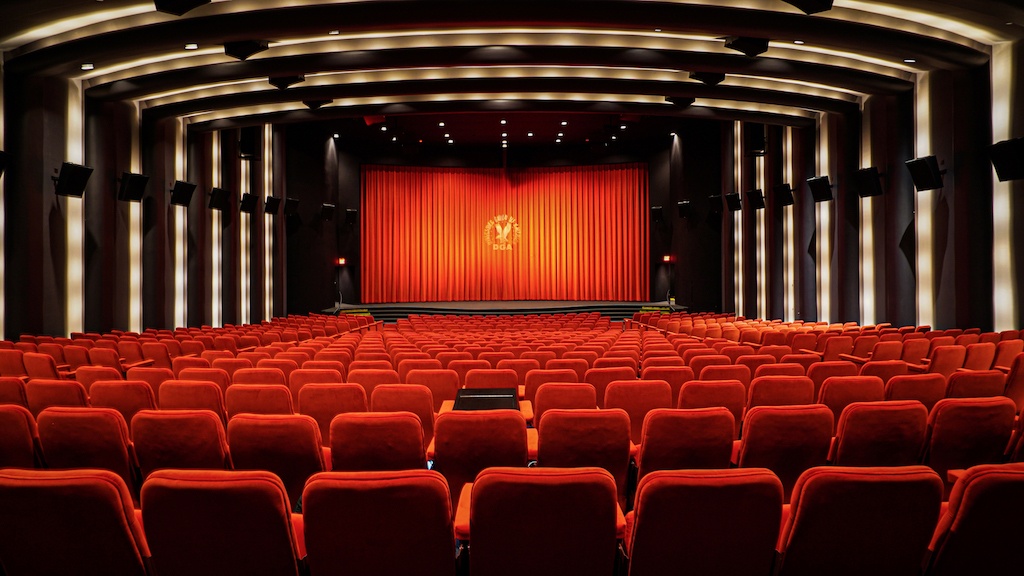
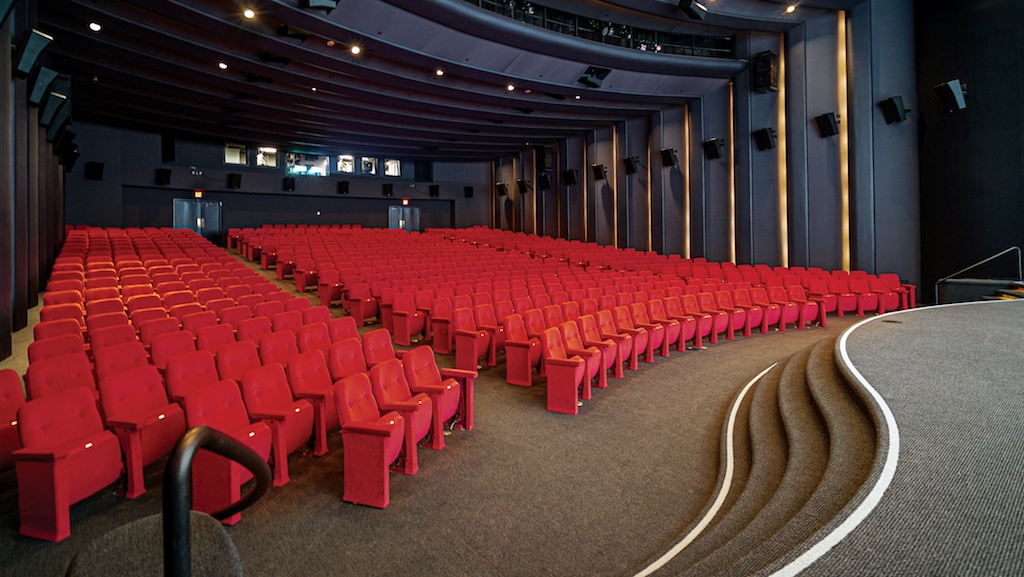
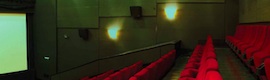
Directors Guild of America (DGA) ha completado recientemente una renovación total de su sala DGA Theater en Los Ángeles. Guiado por un comité de seis destacados cineastas, el proyecto de renovación ha llevado a este espacio de 600 asientos a la vanguardia de la tecnología cinematográfica con la instalación de un sistema de proyección láser Dolby Vision hecho a medida y un sistema de sonido envolvente Dolby Atmos que incluye más de 70 altavoces de cine Meyer Sound.
Para traducir sus conceptos creativos en diseños específicos, el comité del DGA contrató a la firma de arquitectura Executioner. A su vez, Gensler asignó la ingeniería audiovisual a Tom Schindler, vicepresidente senior de la empresa consultora Salter, con sede en San Francisco.
Desde el principio el comité insistió en que debía alcanzarse el más alto nivel de reproducción de audio. “Primero medimos la acústica de la sala –explica Schindler–, pero este elementoaspecto estaba bien logrado con el diseño original. Tanto el ruido de fondo como la reverberación estaban bien dentro de los estándares. Así que el factor crítico se redujo a la selección de los altavoces.”
Trabajando con los ingenieros de Dolby, José Castellón y Gary Meissner, Schindler redactó una especificación de rendimiento completa con opciones para diferentes fabricantes de altavoces.
Basándose en sus perspectivas únicas como cineastas, los miembros del comité del DGA solicitaron una audición en vivo para tomar una decisión final. “Cuando se iba a tomar la decisión sobre el sistema de altavoces decidimos que no íbamos a basarnos solo en las especificaciones impresas,” afirma un miembro del comité, el director Michael Mann, en una reciente entrevista de la DGA. “Queríamos oír cómo sonarían los sistemas mientras nos movíamos por el espacio”.
Meyer Sound y otro fabricante trajeron los sistemas para una sesión de escucha comparativa a la que asistieron Mann y otro miembro clave del comité, el director Michael Apted. Cada sistema fue ajustado por los representantes de los fabricantes para un rendimiento máximo. Los representantes de Dolby consultaron con el equipo de la DGA para seleccionar un amplio repertorio de fragmentos de bandas sonoras para evaluar la claridad del diálogo, el impacto de los efectos y la musicalidad.
Schindler recuerda que “todo el mundo tuvo impresiones similares. En una buena parte del contenido era difícil decir que un equipo era claramente mejor que el otro. Cada sistema tenía sus fortalezas relativas, pero en una mayor parte del contenido general el sistema de Meyer Sound fue juzgado como superior”.
Michael Mann afirma que “ambos sistemas eran técnicamente perfectos, pero Michael Apted y yo elegimos el sistema Meyer Sound por la diferencia de musicalidad emocional. Puedes escuchar dos o tres sistemas de sonido y, aunque técnicamente son muy parecidos, uno suena emocionalmente más musical que el otro. Este es el tipo de decisiones que cualquiera de nosotros en el comité tomaría si se tratara de una película. Fue genial poder pensar y ejecutar de la misma manera en el diseño de la sala de exhibición”.
For the cinco canales de la pantalla frontal se han instalado cinco altavoces Acheron 100, cada uno emparejado con un subgrave Acheron LF. Los principales canales LFE reciben una potente reproducción de doce subgraves de cine X-800C, ayudados por otros ocho 750-LFC para la gestión de los graves envolventes.
Para los canales de surround sound se utilizan 22 altavoces autoamplificados HMS-12 y 32 HMS-15. Una plataforma de red Galaxy 816 suministra el procesamiento para los canales de la pantalla frontal.
La integración
La puesta en marcha de todos los sistemas de audio y video fue contratada al grupo Diversified’s Media & Entertainment bajo la dirección del director de ingeniería Adam Salkin y el gerente de proyectos Eugene Tuzkov.
Visto desde la perspectiva del instalador, la tecnología exclusiva de Meyer Sound, IntelligentDC (alimentación remota de corriente continua para los altavoces de sonido envolvente autoamplificados) ofreció claras ventajas cuando se aplicó en escenarios de calidad crítica, según Salkin.
“Significa que el cable que va a los altavoces puede ser más delgado –afirma Salkin–, no hay que preocuparse por instalar cable de altavoz de alta resistencia. Esa es la mayor ventaja. Pero también significa que no tenemos que preocuparnos por las variaciones en las distancias de los cables. En este caso tenemos bastidores de equipos detrás de las pantallas y, si estuviéramos pasando el cable al altavoz pasivo hasta el fondo, tendríamos que tener en cuenta la caída de las altas frecuencias. Además, con los sistemas autoalimentados, los amplificadores están incorporados y adaptados a los controladores, además, si tienes verdaderos sistemas biamplificados obtienes una mejor calidad de sonido”.
Otros miembros del comité de supervisión del DGA fueron los directores Christopher Nolan, Jon Favreau, Betty Thomas y Shawn Levy. La dirección general del proyecto estuvo a cargo del director ejecutivo nacional del DGA, Russ Hollander, y dos ejecutivos de su equipo, Marcel Giacusa y Tim Webber.
Did you like this article?
Subscribe to our NEWSLETTER and you won't miss anything.
Related articles
 The Film Academy updates its projection room with Dolby Atmos technology
 Meyer Sound launches Astrya, a new series of cinema speakers
 TV3 brings the great 'Eufòria' concert to the cinema in Dolby Atmos and Vision
 Meyer Sound launches Spacemap Go, an innovative tool for spatial sound design and mixing
 Netflix launches first combined Dolby Atmos and Dolby Vision experience
 'Rogue One: A Star Wars Story' will be released in Dolby Vision and Dolby Atmos
 CSS equipa la sala Dolby Atmos de International Sound Studio
 Odeon Multicines chooses Dolby Atmos for eight of its movie theaters in Spain
 Dolby Atmos reaches six hundred digital cinema screens after the agreement with the Indonesian Lippo Group
 GDC digital cinema servers will be able to play Dolby Atmos
 Dolby reveals the list of the first rooms in the world with Dolby Atmos
 Meyer Sound showcases the potential of Digico consoles
 Meyer Sound reinforces its EXP line for cinema
 Meyer Sound Spain celebrates its tenth anniversary at Broadcast'09