





Dave Grohl (Foo Fighters) films the documentary 'What Drives Us' with Blackmagic Design 4K cameras
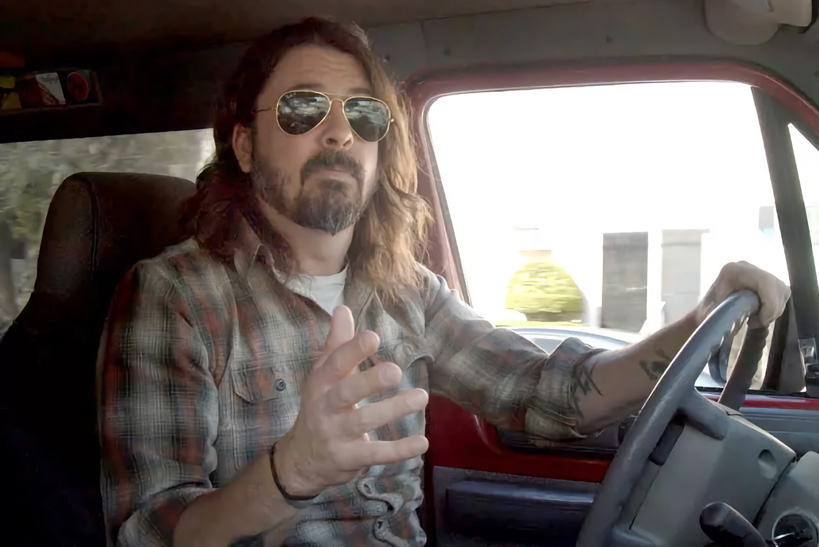
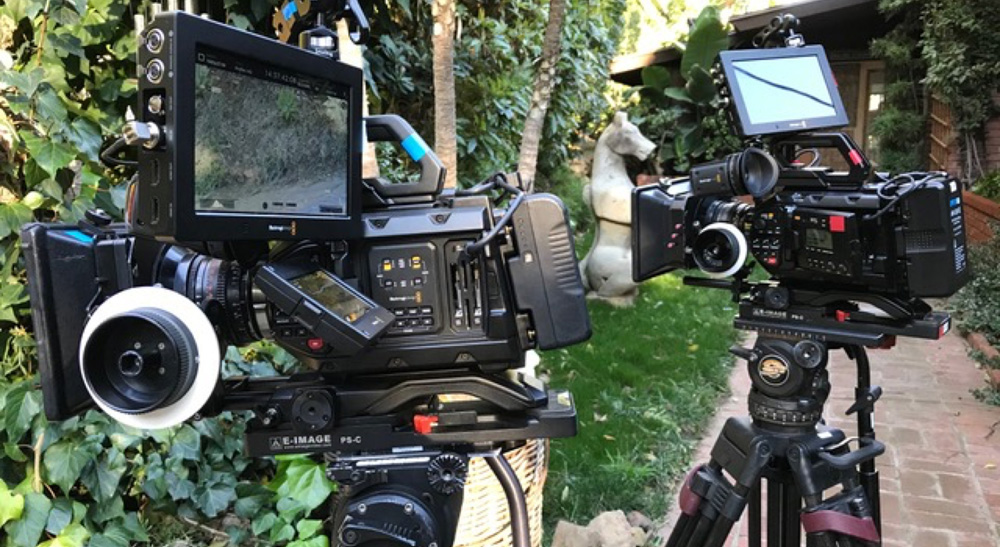
The URSA Mini Pro 4.6K G2 and the Pocket Cinema Camera 4K from Blackmagic Design were the teams chosen to film What Drive Us, documentary directed by Dave Grohl (Foo Fighters).
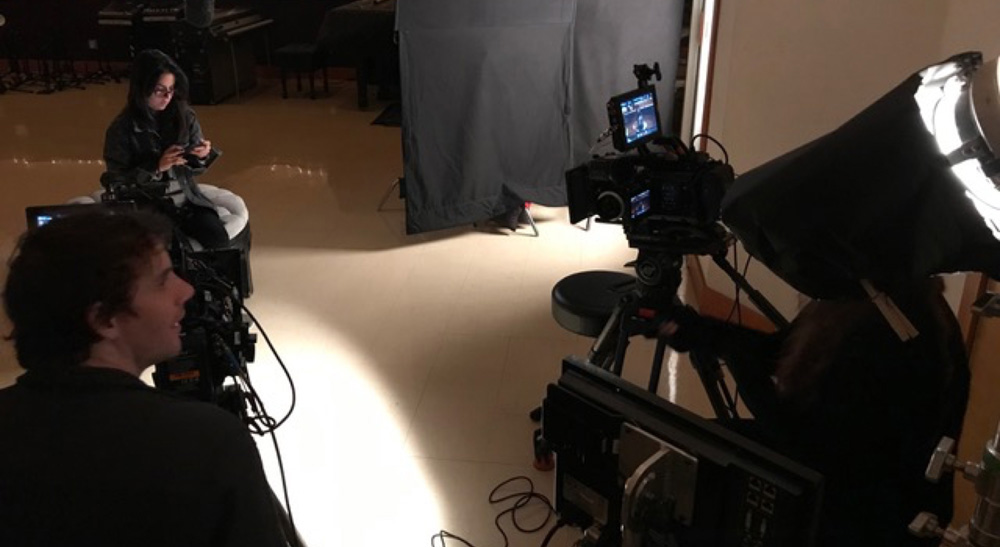
What Drives Us presents numerous interviews with musicians such as Ringo Star, Steven Tyler, Ben Harper, The Edge o Slash to try to understand what motivates musicians to tour around the world. The director of photography Jessica Young, assisted by Todd Bell, decided that the best equipment to record these conversations was camera models 4K of Blackmagic Design. These fixtures suited his goals of “maintaining natural lighting” and taking liberties “with some focus and close-ups.”
It must be considered that each interview was conducted in a different location, so Young and his team did not have the opportunity to learn about the location in detail before filming. However, according to what he says, the teams of Blackmagic They allowed her to adapt to each situation: “Thanks to its wide dynamic range and ease of use, I was able to be very creative while dealing with the challenges of filming.” In addition, “recording with Pocket units gave us impressive scenes.”
Reliability for long shots
Young used objectives Zeiss Super Speed with the model URSA Mini Pro 4.6K G2 and with the version Pocket Cinema Camera 4K switched between lenses MFT with 12-35mm and 35-100mm zoom. Likewise, it used the format Blackmagic RAW with a compression of 8:1, an “exceptional” codec that allowed “the film to be seen with a homogeneous aesthetic.”
Another key to filming was the possibility of recording long interviews without cuts, given the nature of the host and director. Dave Grohl. Según comenta Young, las cámaras se mostraron completamente fiables: “He tenido la suerte de estar en unas cien entrevistas con Dave, por lo que entiendo su manera de trabajar y cómo mantiene una conversación. A veces cortábamos la toma para volver a comenzar, pero en su mayoría, el proyecto se filmó con escenas muy largas, algo que a veces era un poco angustioso, en caso de que el archivo estuviera corrupto. Especialmente, cuando ni hay una segunda toma, ni la posibilidad de volver a grabarla con la estrella del rock. Es esto por lo que la confiabilidad de las cámaras era esencial”.
Post con DaVinci Resolve Studio
What Drives Us fue editada y etalonada usando DaVinci Resolve Studio, solution Blackmagic Design. “The film was finished in DaVinci Resolve, so we had absolutely nothing to worry about, since we were certain that the recorded material would be compatible with the dynamics of post-production,” shares Young, making clear his preference for the product.
https://www.youtube.com/watch?v=Ptc26qrtljA
Did you like this article?
Subscribe to our NEWSLETTER and you won't miss anything.
Related articles
 LaLiga tests immersive reality with Blackmagic Design cameras during El Clásico
 Blackmagic Design dazzles IBC by turning the iPhone 17 Pro and Pro Max into cinema cameras
 Bodycool Media films 'All Men Are Wicked' with Blackmagic Design cameras
 'Guardians', the exciting documentary series about poaching, captured with Blackmagic cameras
 Pyxis 6K: Blackmagic Design's latest step into box-style cinema cameras
 The documentary 'Soul of Storm' filmed with Blackmagic Design cameras
 Kansai TV shoots the series 'Blue Bithday' with Blackmagic Design cameras
 '1 For All' relies on Blackmagic Design and DaVinci Resolve cameras
 MixOne Cinema Films Pentatonix Hybrid Tour with Blackmagic URSA Broadcast G2 Cameras
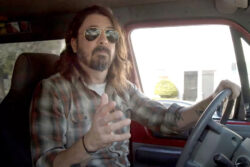 Dave Grohl’s (Foo Fighters) documentary What Drives Us was filmed with Blackmagic Design 4K cameras
 UpHill Cinema shoots the documentary 'Grant Victor Cares' with Blackmagic Design's URSA Mini Pro 12K
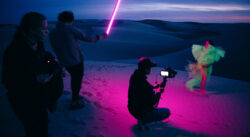 MisterWives films their new music video, 'Rock Bottom', with Blackmagic cameras
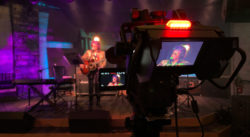 Jam Lab streams Jim Peterik's 'Empty Arena' concert with Blackmagic Design cameras and mixers
 Showtime Series 'The Chi' Uses Blackmagic Design Cameras to Bring Chicago's South Side to Life