





El 8K ya es clave para los contenidos de la división de historia natural de BBC Studios

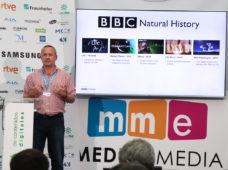
Colin Jackson, senior innovation producer de la Natural History Unit de BBC Studios, ha aportado algunas de las claves técnicas de las últimas producciones de la productora durante la 4K-HDR Summit.
En la presentación de Jackson, en la que ha estado acompañado de Ricardo Medina (Medina Media Events), el responsable de innovación de la Natural History Unit de la BBC ha puesto en valor el uso de la tecnología UHD para todas producciones. Particularmente, sobre la tecnología 8K, ha confirmado que la gran mayoría de sus formatos ya son capturadas en formato nativamente en 7K y 8K. De esta forma, pueden crear contenidos finales 4K con técnicas cinematográficas avanzadas y mayores detalles, ya sea por la fidelidad de la imagen, por las posibilidades de la postproducción o por funciones como los reencuadres.
La 4K-HDR Summit, organizada por Medina Media Events y que cuenta con Panorama Audiovisual como media partner, es el evento más importante a nivel mundial sobre la Ultra Alta Definición (UHD) y reúne cada año a los mejores ingenieros y productores con el fin de compartir experiencias y avances.
Nuevas producciones de BBC Studios
Durante los últimos años, se ha intensificado la creación de contenidos por parte de la Natural History Unit, ya sea para la propia BBC como para terceros como Apple, Discovery o la NBC. La pandemia paralizó el rodaje de nuevos formatos debido las complicaciones que implica viajar a países remotos o la amplia duración de los rodajes, los cuáles suelen extenderse unos dos años. No obstante, sirvió para que BBC adelantara la edición remota de otros nuevos formatos que han visto a la luz. Todos ellos, por supuesto, en UHD. Entre estos, figuran producciones destacadas como Seven Worlds, One Planet, presentado por Sir David Attenborough; o The Year Earth Changed, el cual ha llegado a Apple TV+.
Jackson ha destacado el amplio progreso de la tecnología de captación, la cual permite grabar imágenes nunca antes vistas en el mundo de la historia natural. Al margen de las cámaras cinematográficas de primer nivel, complementadas con una amplia gama de ópticas, el responsable de innovación en BBC destaca tres elementos definitorios que están marcando sus rodajes: el uso de drones, que permiten llegar a lugares recónditos con despliegues veloces, así como aproximarse a animales sin intimidarles en una gran medida; los sistemas de estabilización, que favorecen la espectacularidad y la sensación cinematográfica; o las cámaras de alta velocidad en 4K, entre las que Jackson destaca la Phantom Flex. En su intervención en la 4K-HDR Summit, Jackson ha presentado todos estos elementos comentando en tiempo real el trailer de Seven Worlds, One Planet.
En lo que respecta al audio, se ha puesto en valor el audio en formato 5.1 y estándares como Dolby Atmos, los cuáles son ampliamente demandado por las plataformas. Con respecto a la captura de audio, Jackson reconoce que esta es un área especialmente compleja y que, durante los próximos años, se seguirá recurriendo activamente a las salas de foley.
Desafíos futuros
A continuación, Jackson ha repasado alguna de las claves tecnológicas que marcarán sus rodajes. Concretamente, el responsable de BBC ha destacado los sistemas de captación preparados para condiciones lumínicas complejas, área en la que los fabricantes están invirtiendo grandes esfuerzos; y ha destacado la mejora sustancial de las cámaras de acción, las cuales “con la producción y postproducción adecuada, pueden convivir con los contenidos UHD proporcionados por las cámaras de primer nivel”.
Por otro lado, Jackson no ha querido descartar el uso de tecnologías como el 5G o la realidad virtual en su división, si bien considera que ambos recursos se podrían aprovechar mejor en industrias como las de los deportes en directo, el entretenimiento o los eventos. Sin embargo, sí ha mirado con esperanza al despliegue de las redes satelitales de compañías como Space X, las cuales podrían proporcionar una cobertura “realmente útil” en localizaciones remotas.
Did you like this article?
Subscribe to our NEWSLETTER and you won't miss anything.
Related articles
 Nace Ebantic Media, división dedicada a la integración de plataformas de gestión de contenidos audiovisuales
 Onza Américas y BH5 Studios unirán fuerzas para coproducir contenidos en México y España
 Dalet transforma la gestión de contenidos en la primera división italiana de fútbol
 Jaime Guerra asume la Dirección de la División de Producción de Contenidos de Mediaset España
 José María González-Sinde liderará la nueva división de “service” internacional de Secuoya Studios
 La Unidad de Historia Natural de BBC adquiere un Shotover M1 para tomas geoestabilizadas
 El consumo en diferido, clave para los contenidos de ficción, crece un 20% en tres años
 Colin Jackson (BBC): “el 4K es perfecto para concienciar a las audiencias sobre la importancia del medio natural”
 Hurí abre una nueva división dedicada a la producción de contenidos
 2btube lanza 2bkids, una división especializada en contenidos infantiles y familiares
 4K, una evolución natural para la industria en producción y emisión
 Vivendi segrega su división de telefonía para centrarse en producción y distribución de contenidos
 La calidad de audio es clave al ver películas para los usuarios de smartphones
 En tiempos difíciles, compartir tecnología y contenidos es la clave