





Unicorn Content: the story that gives meaning to today
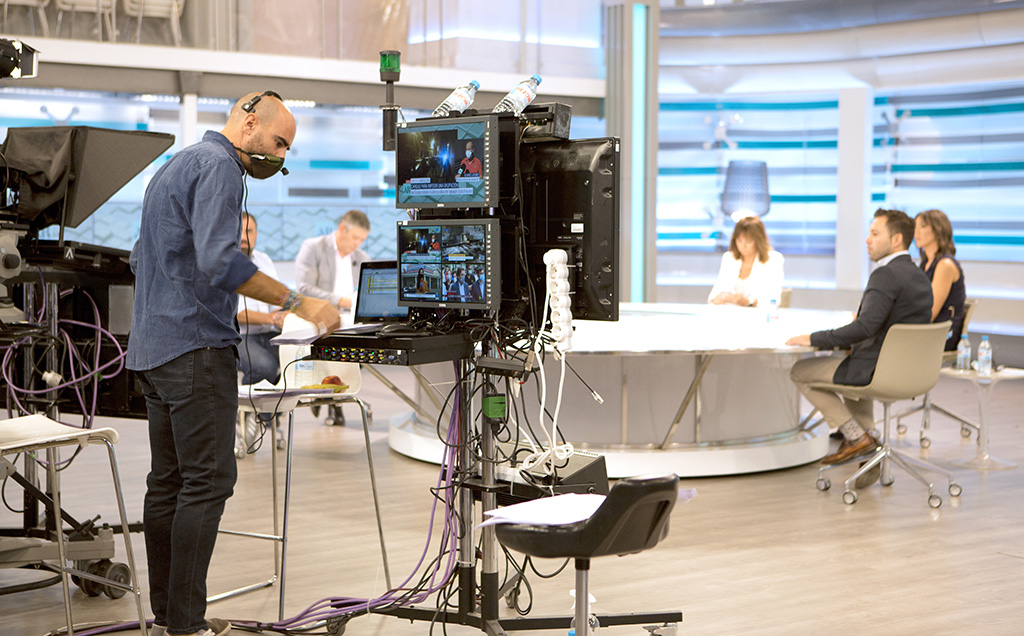

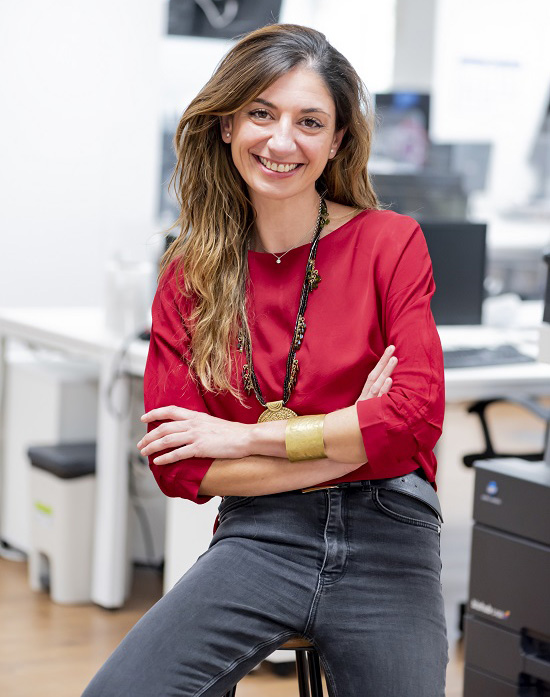
¿Cómo seguir relevante desde la actualidad en un mundo ultrasaturado por la información continuamente disparada a través de las redes sociales? Unicorn Content ha encontrado la respuesta a la pregunta. La comparte en esta entrevista de la mano de Xelo Montesinos, CEO; Yaiza Mené, directora de producción, y Ainhoa Clemente, coordinadora de postproducción.
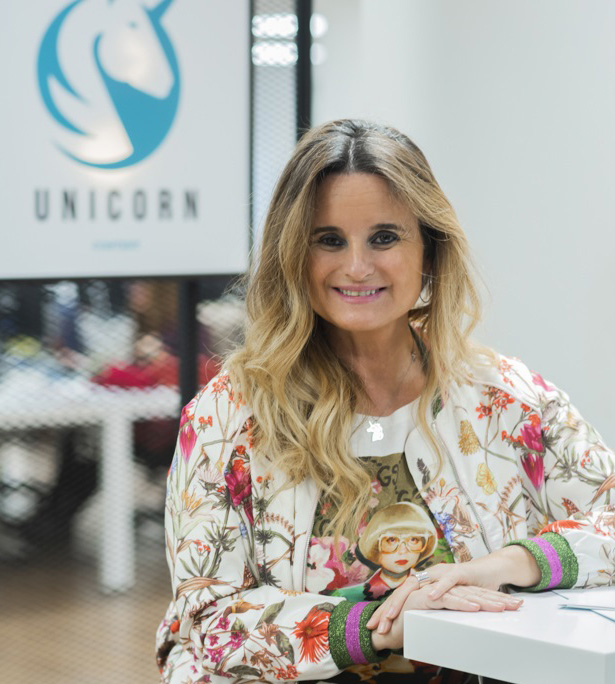 Tras liderar Quartz y acompañar a la productora en sus primeros pasos tras su adquisición por parte de Banijay, Xelo Montesinos decidió fundar su propia empresa mano a mano con Ana Rosa Quintana. Libres de ataduras, Unicorn Content nacio en 2018 para seguir contando historias por encima de todo. En la actualidad, se ha convertido en la segunda productora que más horas de estrenos y redifusiones acumuló en pantalla con un 5,7%, solo por detrás de Mediapro (6,7%) según uno de los últimos estudios de GECA.
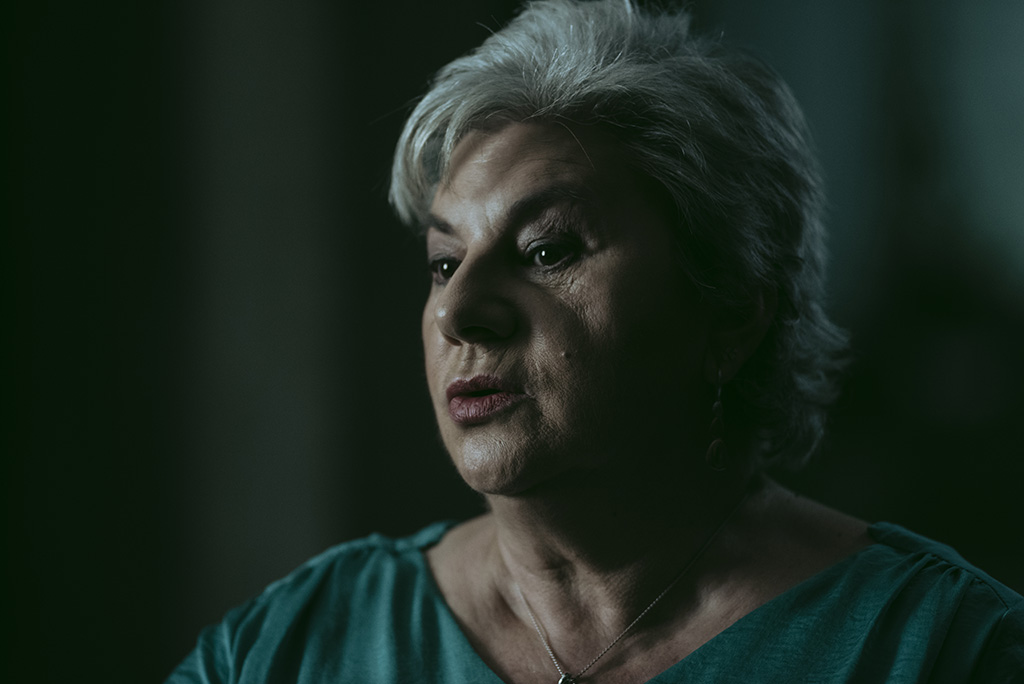
 Lo ha conseguido apoyándose en una amplia selección de contenidos que abarcan desde el aproximamiento a la actualidad con el foco en las historias que suponen El Programa de Ana Rosa, Ya es Mediodía, Cuatro al Día o 120 minutos; documentales con una importante factura como Dolores o El Principito; concursos de ayer y hoy como Lingo o Tupper Club, y ficciones as Desaparecidos.
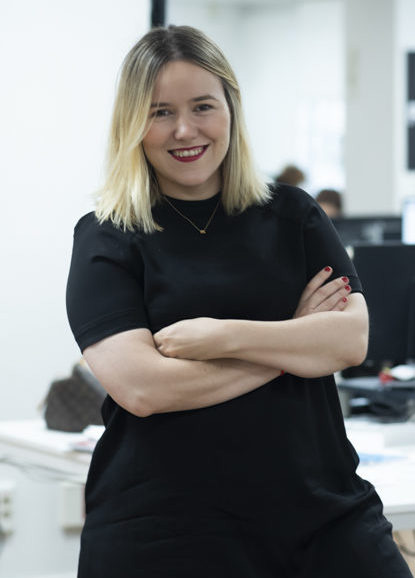
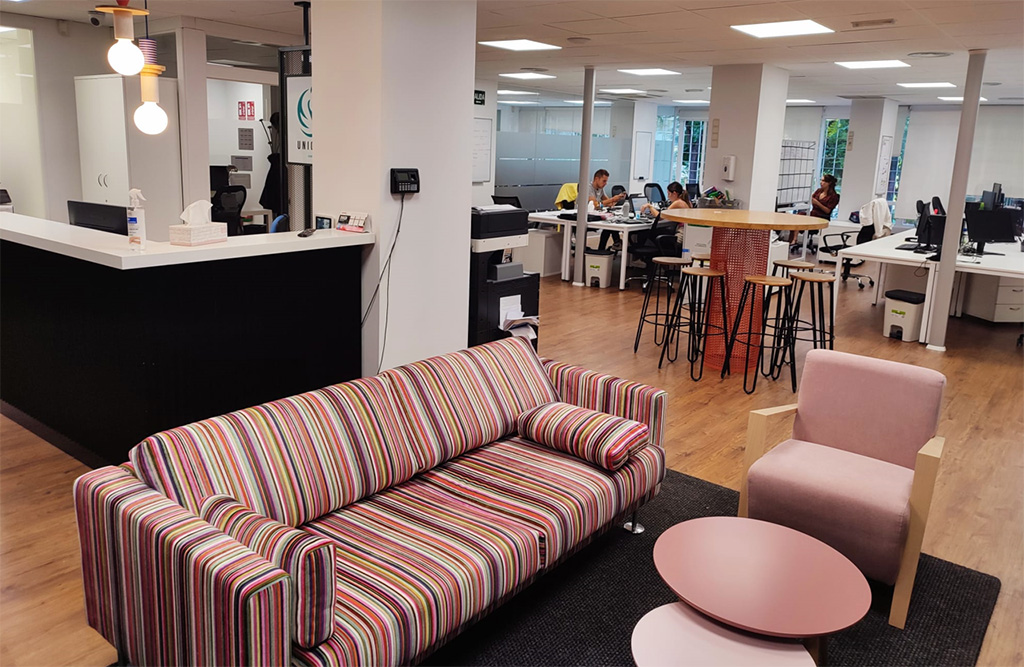 Xelo Montesinos, CEO; Yaiza Mené, directora de producción, y Ainhoa Clemente, coordinadora de postproducción (muestra más que representativa por la apuesta por el talento femenino en Unicorn Content), comparten la trayectoria de la productora, reflexionan sobre el estado de la industria televisiva, analizan los cambios tecnológicos de lo lineal, abordan los procesos de producción dentro de la cadena y anticipan el futuro más inmediato of the company.
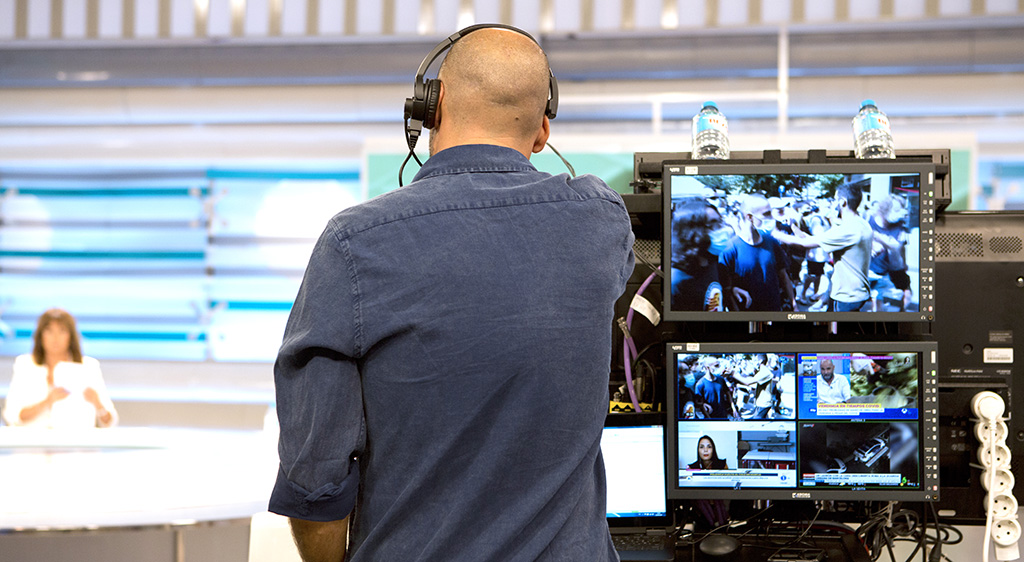
Historias en un mundo incierto
Con tan solo cinco años de trayectoria, Unicorn Content acumula un importante reconocimiento tanto industrial como en términos de audiencias. ¿Existe un denominador común que identifique su producción y ayude a explicar su éxito?
Xelo Montesinos: “Desde el principio tuvimos claro que somos una empresa de contenidos y nuestro objetivo es contar historias. Es mi naturaleza, la de Ana Rosa y se extiende más allá de nuestro programa madre. A partir de ahí, las historias se pueden contar de muchas maneras, en muchos formatos y en distintas plataformas. Esa es la vocación con la que nace Unicorn. ¿Nuestro denominador común? Crear equipos que crean en los proyectos y que cuenten historias, ya sea con programas de actualidad, con documentales como Dolores o El Principito, o a través de la ficción.
Se podría definir un punto de origen de Unicorn Content, al margen de la propia iniciativa empresarial, en Cuarzo. ¿Qué enseñanzas o bases extraen de esta etapa para dar forma a Unicorn Content? ¿Se podría decir que fue una continuación del proyecto?
X.M: “Lo veo como una ampliación. Cuando llegué a ser directora de Cuarzo alcancé el último escalón de lo que me quedaba por aprender y experimentar. Antes, había pasado por prácticamente todos los departamentos: programas, contenidos, proyectos. En este momento también pude tener contactos con diferentes socios internacionales para aprender más claves sobre cómo desarrollar la parte internacional de los proyectos. Toda esta experiencia me vino muy bien una vez decidí dar el salto. Aunque trabajamos de una forma muy horizontal, siempre escucho lo que me dicen los jefes de equipo e intento llegar a un acuerdo de consenso. Queremos que el contenido no dificulte la producción, que la producción no dificulte el contenido y, a nivel empresarial, que el crecimiento de la empresa no paralice un buen proyecto, aunque pueda no tener el beneficio esperado”.
Xelo Montesinos: “Queremos que el contenido no dificulte la producción, que la production no dificulte el contenido y, a nivel business, que el crecimiento de la empresa no paralice un buen project, aunque pueda no tener el beneficio esperado”.
La pandemia benefició a la producción de formatos de actualidad. Ahora nos encontramos en un periodo marcado por la incertidumbre provocada por la guerra de Ucrania. ¿Esa inminente falta de certeza está formando parte en conversaciones en el seno de productoras como Unicorn Content?
X.M: “En la actualidad seguimos teniendo mucho trabajo, pero sí que es verdad que hemos notado que todo se ajusta más presupuestariamente. Lo he hablado con otras productoras y prácticamente está sucediendo en todas las producciones, plataformas y cadenas. Entiendo que esto responde a ser un poco previsores por lo que pueda pasar, pero te puedo asegurar que a nivel de producción estamos igual o incluso con más proyectos. Espero que continúe así”.
Yaiza Mené: “Y con la pandemia no hemos parado. Hemos sido una de las pocas productoras que no solo no disminuyó su volumen, sino que incluso lo incrementó”.
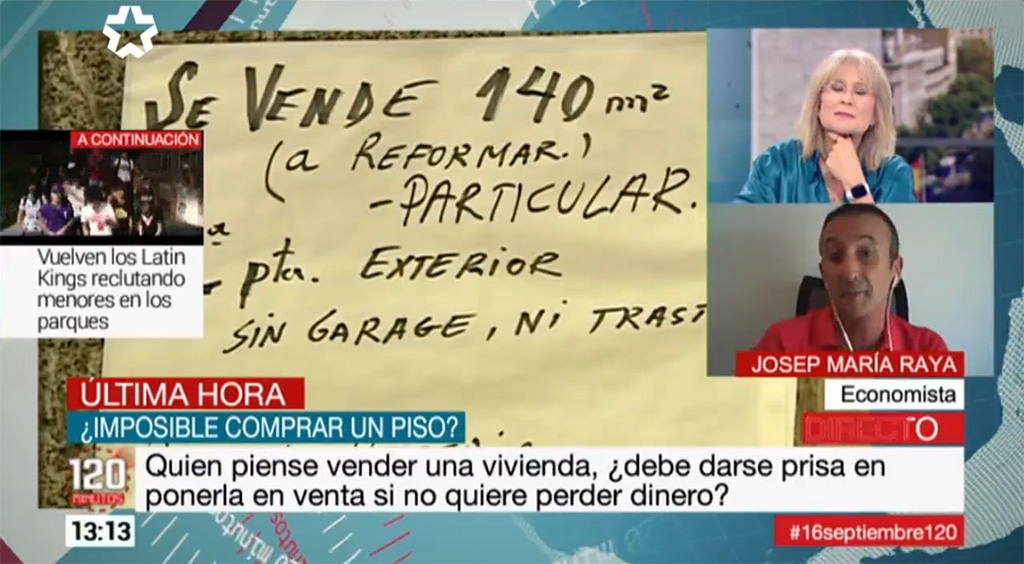
El valor de la imagen
La actualidad es su core, si bien el entretenimiento o los documentales son áreas que están desarrollándose con fuerza en Unicorn Content. ¿Qué tiene el directo, que incluso en una era en la que el consumo no-lineal, sigue teniendo un papel tan determinante?
X.M: “La actualidad y la inmediatez. Es verdad que cada vez está más diversificada y puedes informarte por redes sociales o periódicos digitales. Pero, al final, se busca algo que va más allá de esa información: las historias. Por ejemplo, gracias a la era de la tecnología, hemos podido contar historias personales sobre la guerra de Ucrania o sobre el volcán de La Palma en tiempo real. Ahora puedes hablar con alguien que tiene las bombas encima con su ordenador o móvil. Ese tipo de cosas hace que todo se viva con una sensación de realidad que supera la propia información. ¿Por qué funciona tanto o va a seguir funcionado bajo mi punto de vista? Porque cuando hay noticias tan globales, al final la televisión es lo que une a todas las familias”.
Este tipo de contenido no hubiera podido desarrollarse sin un cambio de paradigma en cuanto a la calidad de las imágenes que se pueden emitir en televisión…
X.M: “Ahora, cuando pones el informativo, el 60 o 70% de las imágenes que se emiten llegan procedentes de móviles o redes sociales. Eso no quita que no puedas tener unos ciertos niveles de calidad, pero casi que todo eso se está dejando más para los documentales; para historias más largas tratadas en profundidad. En el caso de la información diaria, la noticia está por encima de todo y la imagen está por encima de la calidad de la propia imagen”.
Yaiza Mené: “Al principio, el control técnico de Telecinco ponía el grito en el cielo cuando se emitía una imagen por mobile o one Skype con mala cobertura. Ahora ya se han dado cuenta de que son una opción”.
¿Este cambio en los requisitos de las imágenes también se está traduciendo en que el móvil sustituya a las mochilas de retransmisión?
Y.M: “Es algo que ya se hace, ya que prima poder vivir la noticia de primera mano. Al principio, el control técnico de Telecinco ponía el grito en el cielo cuando se emitía una imagen por móvil o un Skype con mala cobertura. Ahora ya se han dado cuenta de que son una opción. Una mochila te puede dar una calidad de 10, pero los móviles, a no ser que toda la imagen que te ofrezcan sean un único píxel, son otra fuente más a tener en cuenta”.
X.M: “Cada vez hay más aplicaciones para móviles y el 5G ya ha llegado a las mochilas. Eso sí, hemos pasado la travesía por el desierto cuando se produjo la transición del directo con satélite a las mochilas, ya que al principio fallaban permanentemente y se pixelaba todo. Sin embargo, luego se estabilizó. Cuando llegó la pandemia sucedió igual. No podías viajar, y había historias tras historias. Fue entonces cuando empezamos con Skype, Zoom… y todo fallaba hasta que dejó de fallar”.
Mano a mano con las televisiones
A la hora de crear programas de actualidad con Mediaset (El programa de Ana Rosa, It's already noon) o Telemadrid (120 minutos), ¿cómo se dividen los esfuerzos de producción?
Y.M: “En los dos casos se abordan de manera similar. Ellos ponen sus instalaciones, como plató y personal técnico, para llevar a cabo toda la producción: cámaras, control de realización, etc. Unicorn Content pone, por así decirlo, el equipo de contenidos. Producción, redactores…”
En el caso de que estos recursos propios de la televisión no estén disponibles, ¿Unicorn Content se encarga de toda la producción técnica o prefiere contar con una productora asociada para abordar ese lado del proyecto?
Y.M: “No existe una única línea definida, ya que cada proyecto tiene sus particularidades y hay que verlos de forma aislada. En el caso de Limbo, si bien ellos ceden el plató, nosotros añadimos otros recursos de producción. Por ejemplo, cuando hacemos documentales, hacemos absolutamente todo: desde la preproducción hasta la producción y postproducción. Al final, nosotros lo que tenemos que hacer es entregar la “cinta en mano” a la cadena. Sí que es verdad que estos proyectos nos dan un mayor margen de maniobra para buscar a proveedores que puedan proporcionarnos la calidad que estamos buscando”.
Yaiza Mené: “Las plataformas cuentan con unos mínimos que te hacen saber desde el principio tanto a nivel de grabación, como de conservación, seguridad o post-production. Si no alcanzas esos mínimos, no van a aceptar tu formato”.
Al margen de la televisión lineal, Unicorn Content ha empezado a trabajar estrechamente con plataformas como HBO Max o Amazon Prime Video. ¿Se puede apreciar la diferencia de desarrollar un proyecto entre ambos canales?
X.M: “Sí, sí que se nota. El proceso de contacto con ellos es similar. Saben que estás en el mercado y tú sabes lo que están buscando. (…) Con el paso de los proyectos, se crea una relación de confianza ya sea porque los conocemos bien o porque conocen nuestro know-how. Al final, están esperando que los lleves nuevos proyectos para intentar trabajar contigo. Nosotros también queremos trabajar con ellos, evidentemente”.
Y.M: “A nivel de producción, sí que podría decirse que tenemos que trabajar con un poco más de exigencia, por ejemplo, a nivel técnico. Las plataformas cuentan con unos mínimos que te hacen saber desde el principio tanto a nivel de grabación como de conservación, seguridad o postproducción. Si no alcanzas esos mínimos, no van a aceptar tu formato. Hemos tenido que adecuarnos para adaptarnos a esta nueva circunstancia”.
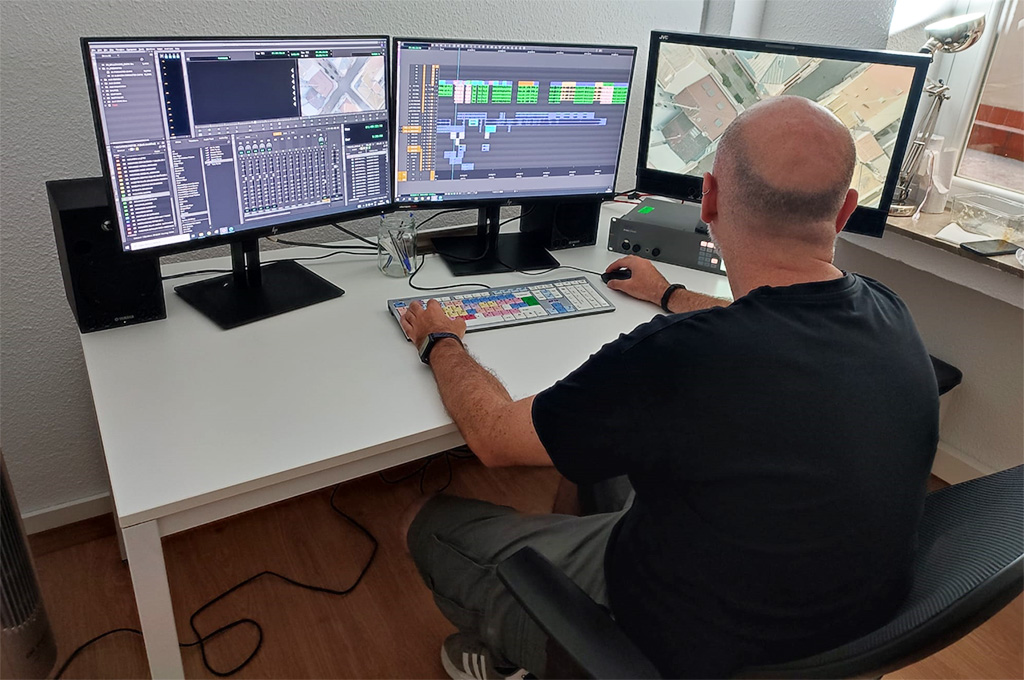
La postproducción, camino de lo virtual
 ¿Cómo se trabaja la postproducción en Unicorn Content? ¿Cuentan con puestos dedicados? ¿Apuestan por proveedores externos tanto para montaje como etalonaje?
Ainhoa Clemente: “En Unicorn creamos equipos de postproducción acordes al formato que tenemos entre manos en cada momento. Esto nos hace perfilar más el tipo de profesional que necesitamos, porque no siempre una misma persona nos encaja en la edición y postproducción de documentales o en formatos de concurso o de cualquier otro tipo. En principio, en todos nuestros productos formamos un equipo en una primera fase que se dedica al montaje del contenido, y en una segunda fase a la postproducción y tratamiento de la imagen. Intentamos que el resultado del montaje y del trabajo que se hace en las salas de edición sea lo más parecido al producto final que ven los espectadores, dando especial protagonismo al diseño de sonido y a la propuesta de foto y grafismo de los productores. La parte que solemos externalizar es la de procesos finales, tales como la mezcla de sonido y el etalonaje, debido a que recurrimos a empresas más específicas en estos campos. En este sentido, tenemos proveedores de confianza que llevan desarrollando el trabajo casi desde que comenzó la productora. Esto hace que las sinergias y los procesos de trabajo tengan los resultados que planteamos desde el inicio y la puesta en marcha de los proyectos”.
Ainhoa Clemente: “En los últimos años estamos intentando implantar las copias de nuestros materiales audiovisuales in servidores virtuales to evitar el riesgo del almacenamiento en físico”.
¿De qué manera gestionan todos los assets audiovisuales que implica la construcción de vuestros diferentes formatos?
A.C: “Contamos, por una parte, con un servidor en el que guardamos los productos audiovisuales que vamos realizando, y diversos proyectos de trabajo recurrentes que son propiedad de la empresa. Además, en cada proyecto alquilamos un NEXIS o ISIS para almacenar y trabajar en red sin problemas, incluyendo también una copia en disco físico de los materiales audiovisuales del programa en cuestión. Esta copia la guardamos dependiendo del protocolo del cliente con el que trabajemos o la entregamos finalizada la obra en cuestión. Por otro lado, en los últimos años estamos intentando implantar las copias de nuestros materiales audiovisuales en servidores virtuales, para evitar el riesgo del almacenamiento en físico. Intentamos cuidar al máximo este tipo de procesos de almacenamiento, dado que el material con el que trabajamos es sensible y además nuestra elevada producción hace que a veces el volumen no sea fácil de gestionar. Aunque esto, sin duda, es buena señal”.
Más historias, en la red y en la ficción
Más allá de su producción de actualidad, entretenimiento y ficción, en 2021 comenzaron a realizar proyectos de branded content. ¿Cómo se ha desarrollado esta área?
X.M: “El branded content se ha convertido en una constante en nuestra producción, pero son proyectos pequeños. El equipo de I+D suele ser el responsable de estos contenidos y hay personas dedicadas al desarrollo diario de este tipo de contenidos. En ocasiones puede salir un proyecto de branded de mayores dimensiones, lo que implica un mayor esfuerzo de producción. En ese caso, se crea un equipo pequeño para producir ese contenido sumando a talento de otros departamentos”.
¿De qué manera se presenta el futuro inmediato de Unicorn Content? ¿Cuáles son las áreas en las que les gustaría apostar con mayor rotundidad en el futuro más inmediato?
X.M: “Nos gustaría dirigirnos hacia la ficción y lo digital. Vamos a explorar todas las posibilidades para crear contenidos dirigidos a las redes sociales. Es algo que llevamos pensando desde hace tiempo y que me gustaría hacer. Tenemos varias reuniones pendientes con gente especializada en el área. Por otro lado, tenemos la parte de ficción que queremos seguir ampliándola, evidentemente sin olvidar todo en lo que estamos ya consagrados: los programas en directo para televisiones generalistas o los programas de investigación con enfoque documental para plataformas. Vamos a seguir en esa línea”.
An interview by Sergio Julián Gómez
Did you like this article?
Subscribe to our NEWSLETTER and you won't miss anything.
Related articles
 'Marousia' is filmed. Winds of Honor', series by Unicorn Content and CTV for Mediaset
 Sevilla Content City will be managed and operated by Secuoya Content Group
 Mediaset once again trusts Unicorn Content for 'The Marquis', its new drama series
 Unicorn Content repeats as producer with more hours of premieres during the 22/23 season
 ¿Tiene sentido llevar el MAM y playout a la nube?
 Unicorn Content will dominate the mornings and afternoons of Mediaset España after the cancellation of 'Sálvame'
 Mediaset, together with Unicorn Content, will produce a new format halfway between emotainment and talk-show
 Blackmagic, omnipresent in the filming and post-production of 'Avatar: The Sense of Water'
Mediapro and Unicorn add more than 5,000 hours of free-to-air television this season
Blackmagic, omnipresent in the filming and post-production of 'Avatar: The Sense of Water'
Mediapro and Unicorn add more than 5,000 hours of free-to-air television this season
 Mediapro and Unicorn Content lead free-to-air television premieres during 2021
 Unicorn Content creates the fiction area with Begoña Álvarez at the helm
 Ana Rosa Quintana takes control of the shareholders of Unicorn Content
 David Cierco: “la historia del 5G en España será una historia de éxito”
 Historia pre-estrena en la Cumbre del Clima ‘Una historia del futuro’, su nueva serie de producción propia