





Revolution in La 7: the nine renovations that outline the future of television in Murcia

Olga Arribas, directora técnica de The 7, aborda la nueva etapa de la televisión pública de la región de Murcia desvelando las nueve renovaciones tecnológicas que se encargarán de marcar el futuro de la televisión.
10 meses. Ese es el plazo mínimo que se ha dado CBM, adjudicataria de la gestión de The 7, para acometer un ambicioso proyecto de remodelación tecnológica y filosófica de la televisión autonómica de Murcia. La filial del Sequoia Group tiene por delante un periodo de five years para seguir consolidando a la cadena como referente tecnológico autonómico.
 Su labor de gestión de la televisión se verá complementada con una transformación transversal de la compañía. A una completa obra civil que transformará espacios interiores y exteriores de la sede de Molina de Segura, se une una renovación de un importante número de elementos tecnológicos que ayudarán al medio a seguir ofreciendo una labor de servicio público a su audiencia, les sintonicen a través de la digital terrestrial television, o los vean a través de su streaming web.
Olga Arribas, arquitecta tecnológica de La 7, repasa uno a uno los ejes de la metamorfosis de la televisión, los cuales apuntan a un medio más accesible, eficiente, versátil, digital y, por supuesto, technological.
1. Un plato de informativos renovado
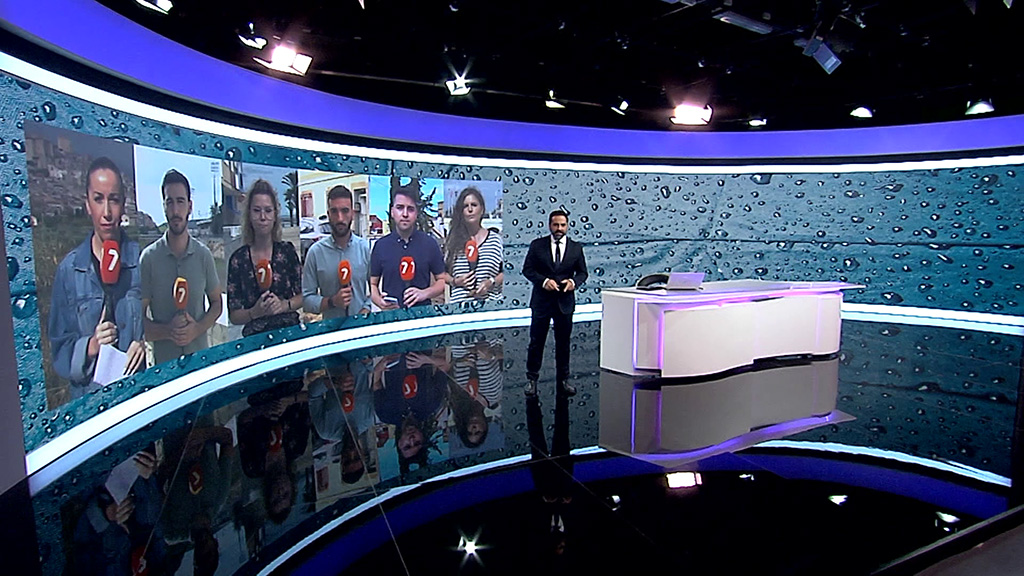
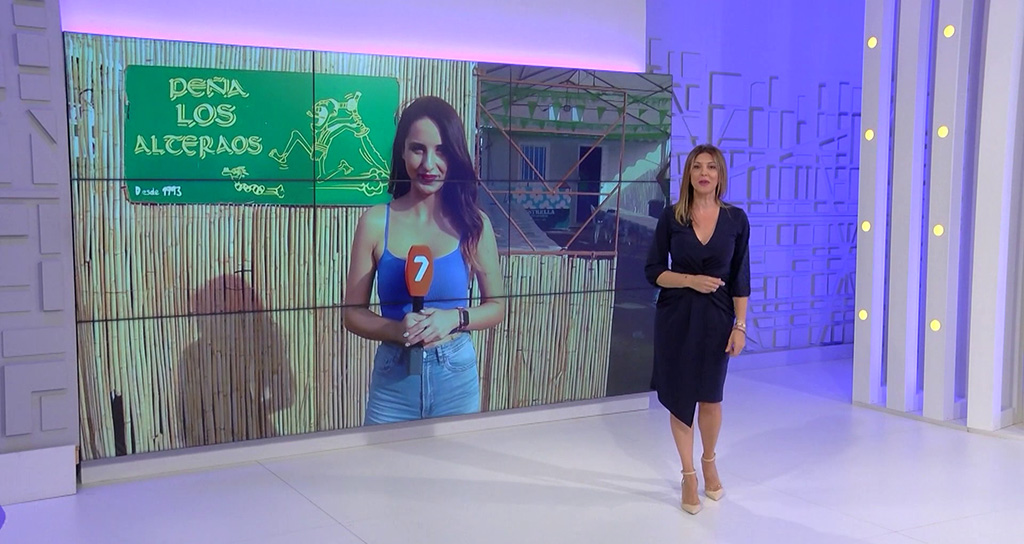
Uno de los ejes de la programación de La 7 son sus servicios informativos, los cuales brindan al público murciano las principales noticias de la región y de todo el territorio nacional. Para brindar una nueva staging más cercana a las tendencias que están acompañando al resto de televisiones españolas, se ha decidido renovar la escenografía estructurando su nueva propuesta en torno a una pantalla en curva de 17,5 metros de Alfalite, suministradores e instaladores de los LED. El sistema se complementa con un gestor de media sucker que dialoga directamente con el control de realización para alimentar de contenido este soporte de grandes dimensiones.
La pantalla ya está en funcionamiento desde hace semanas y el resultado es completamente satisfactorio, tal y como remarca Arribas: “Están dando un resultado fantástico”.
2. Plató virtual para crear espacios inéditos
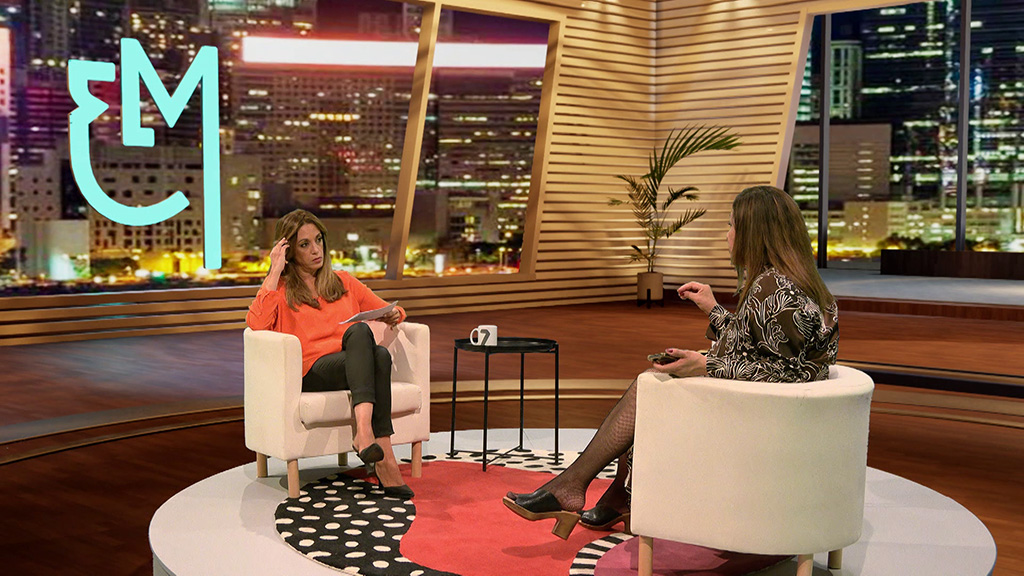
Históricamente, La 7 ha contado con un virtual set with a chroma de suelo y tres paredes. Sin embargo, este sistema estaba infrautilizado en pro de otros sets que dependían de la imagen real.
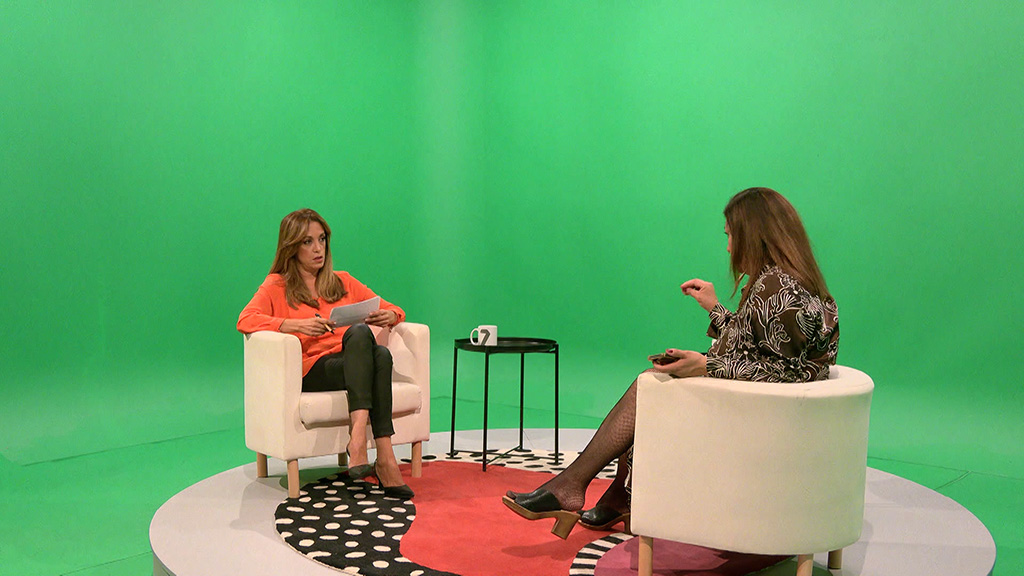 Ahora, la televisión murciana ha decidido implementar un sistema Pixotope para articular la puesta en escena de estos mundos virtuales y unas nuevas cámaras PTZ con capacidades de tracking. De esta forma, la compañía podrá aprovechar todas las posibilidades que dan los sets virtuales y poder ampliar su uso a diferentes formatos. Para alimentar de contenido este “lienzo en verde”, La 7 ha ampliado su plantilla de grafistas, quienes han comenzado a diseñar espacios con software específicos como el sistema de renderizado Maya de Autodesk.
Actualmente, este set se utiliza regularmente con un formato de entrevistas llamado Entre mujeres y el programa de sucesos Código 112, si bien se espera que se añadan new formats inminentemente. De hecho, Arribas tampoco descarta su uso coordinado en espacios informativos, ya que el set puede interconectarse con su control de realización.
3. Sistema de informativos preparado para un enfoque digital
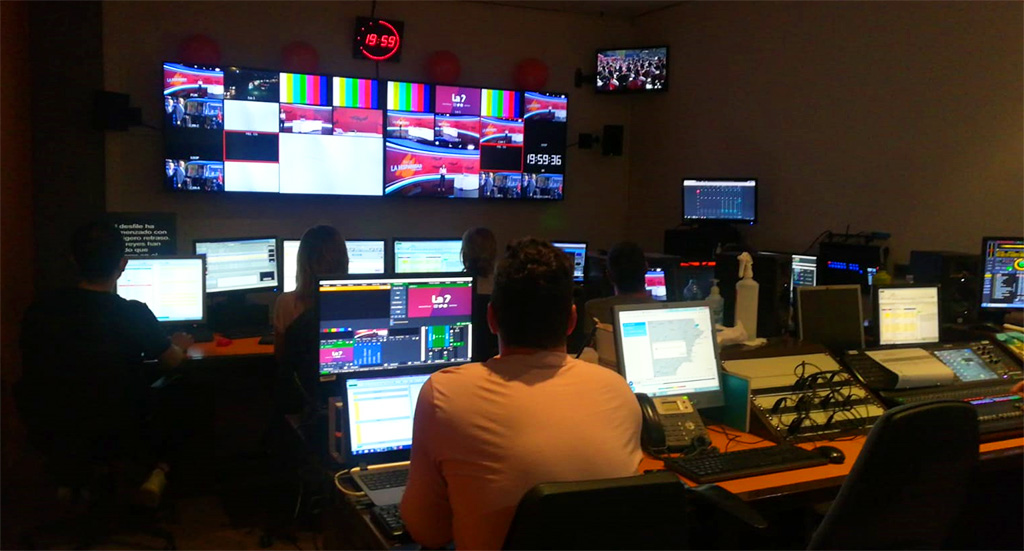
Uno de los grandes protagonistas de la transformación tecnológica transversal que está atravesando La 7 es la renovación de su sistema Avid de redacción de informativos. La obsolescencia del anterior sistema, y la necesidad imperiosa de seguir profundizando en sus posibilidades de interacción con las plataformas sociales, fueron las razones que empujaron al equipo liderado por Arribas a acometer esta implementación.
Las nuevas versiones de sistemas como MediaComposer o MediaCentral proporcionan a la televisión nuevas formas de trabajo, así como posibilidades de llevar la producción de sus contenidos a la nube en el caso de que sea necesario. Del mismo modo, la solución acepta la implementación con el módulo x.news, que permite una integración en social networks y plataformas de vídeos online: “Este sistema es fundamental ya que acompaña nuestra estrategia de que nuestra redacción de informativos evolucione en una redacción digital al 100%”, comenta Arribas.
Los sistemas de Avid se extienden a lo largo de las cinco delegaciones de La 7 en la Región de Murcia. De esta forma, la televisión puede trabajar en real time para preparar y finalizar los contenidos que se podrán ver en los informativos de la región o en sus medios sociales.
Paralelamente, Arribas confirma que el sistema de Avid se ha implementado siguiendo un modelo SaaS, un sistema que en su opinión resulta muy conveniente para las televisiones que “tienen menos continuidad en el tiempo”, y que, en su caso, es igualmente conveniente, ya que abarca los cinco años de concesión de la gestión de la televisión pública de la región de Murcia.
4. MOJO: los móviles llegan para sumar a las retransmisiones
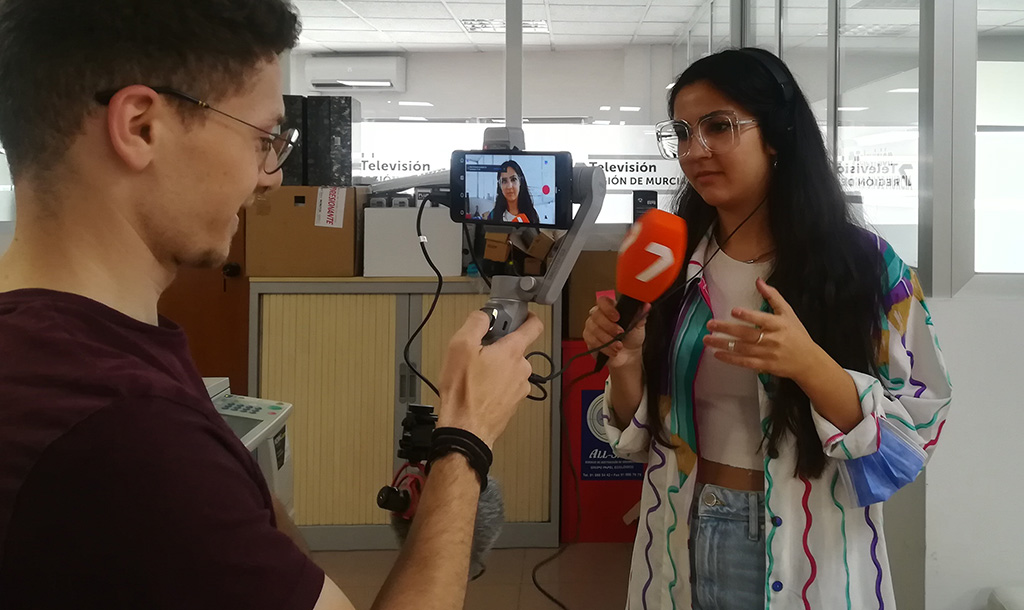
Al margen de su unidad DSNG, backpacks 4K Teradek en propiedad, y el uso y alquiler de las broadcast backpacks de firmas como LiveU o Dejero, La 7 ha apostado por las conexiones en movilidad utilizando phones mobiles. Concretamente, la televisión ha desplegado 35 equipos de MOJO (Mobile Journalism) compuesto por teléfonos móviles de la marca Samsung, estabilizadores, micrófono, trípodes, una pequeña antorcha y accessories.
Arribas considera que este movimiento, el cual está cada vez más y más extendido por los equipos de redacción de televisiones y productores, no busca sustituir a las mochilas de transmisión por esos móviles. Al contrario, estos equipos permitirán a La 7 “tener más opciones y un mayor de gente preparada para ofrecer una cobertura en alguna situación excepcional”. Entre estos eventos, Arribas enumera una jornada electoral, una cita muy señalada o incluso una respuesta a una catástrofe como una flood: “Ya nos ha pasado que, a causa de las inundaciones, un periodista no podía llegar a la delegación y nos mandó un reportaje grabado con su móvil desde su casa que enjababa perfectamente. (…) Se trata de eso: de darle a los redactores una herramienta más para que puedan hacer su total o su on site”.
Los redactores que graben piezas utilizando este sistema basado en móviles podrán contribuir con la pieza utilizando una aplicación de desarrollo propio llamada “La 7 reportero ciudadano” o a través de un servidor dedicado Kiloview D300 que sirve como puente IS para transmitir los audiovisual content al control de realización.
5. Sistemas de realización propios para Twitch y YouTube
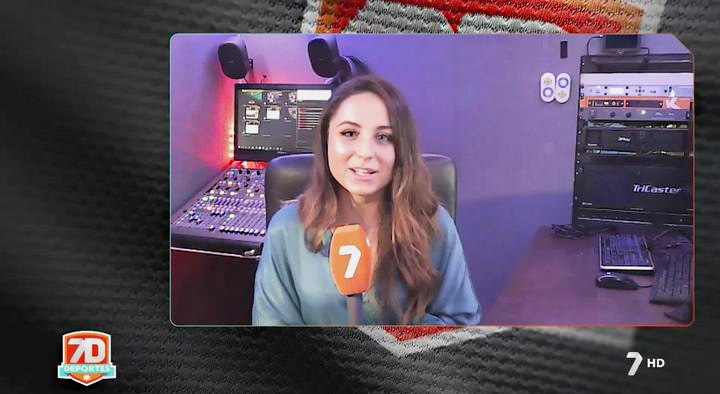
Una parte muy importante de la estrategia digital de La 7 pasa por estar presentes en las plataformas de vídeo online en abierto que permitan la producción de eventos en directo: “Como medio de comunicación público, teníamos que profundizar en estos aspectos y dar un aire nuevo a lo que estábamos haciendo”.
De esta forma, la televisión murciana ha hecho un esfuerzo en contratar a personal especialista en el manejo del mundo web y de las redes sociales. Para Arribas, es fundamental contar con profesionales que conozcan su lenguaje visual, ese que es ligeramente diferente al de la televisión.
Desde el lado más puramente tecnológico, La 7 ya está produciendo formatos para Twitch utilizando el software vMix, el cual aporta beneficios como la capacidad de definir presets para facilitar la producción de la única persona encargada del formato, que conducirá la conversación, reproducirá vídeos o gestionará las videollamadas. Como la directora técnica traslada, “lo único que hace el personal técnico de apoyo es encender la sala y apagarla después”. En el caso de realizar algún directo vía YouTube, el equipo de tecnología de la televisión murciana se ha decantado por el software abierto Note Studio, el cual es implementado en otras televisiones como TV3.
6. Continuidad que optimiza cada proceso
La renovación de la continuidad era crucial para La 7. Durante los últimos años, la televisión había utilizado el sistema Vector3 con varios servidores con un almacenamiento compartido. Sin embargo, este sistema instalado en 2015 como parte de una importante inversión que la cadena realizó en aquel año había empezado a dar problemas de compatibilidades con algunos hardware.
Persiguiendo el contar con un sistema puesto al día y tener acceso a nuevas prestaciones que se adaptaran mejor a su operación habitual, Arribas y su equipo han apostado por el sistema VSN, cuya instalación se completará en los próximos meses. La solución permitirá mejoras en su flujo de trabajo como la reproducción y grabación simultánea, a mejor gestión de los gráficos, a integración más profunda en el tráfico para mejorar la importación de las escaleras o la descarga automática de los archivos en el momento de que estos sean requeridos, eliminando los procesos manuales más habituales.
7. Archivo más y más transversal
El archivo, otro eje de las operaciones de La 7, también se ha visto renovado a favor del sistema de VSN. De esta forma, la televisión deja atrás el sistema de Tedial que los había acompañado desde su comienzo. Como bien comenta Arribas, “había partes que habían funcionado muy bien, pero ya queríamos cambiar de arquitectura”.
La decisión de optar por VSN, más allá de su transversalidad en la televisión murciana gracias a su elección como sistema de continuidad, reside en la necesidad de lograr una conexión versátil y rápida with the archivo del ente público de la radiotelevisión de Murcia, el cual también es gestionado por el sistema de VSN: “Entendimos que optar por el mismo fabricante nos iba a facilitar mucho esa comunicación”.
 8. Accesibilidad… y HbbTV

HbbTV, más allá del famoso red button que proporciona acceso a programación a la carta y funciones extendidas de reproducción, ofrece un no tan conocido botón azul, destinado a proporcionar ayuda a la visualización y escucha para aquellos que lo precisen. La puesta en marcha de esta función es el gran salto que The 7 planea en términos de accesibilidad.
A través del botón azul de HbbTV, la cadena murciana planea la posibilidad de implementar, entre otras novedades, una ventana con lenguaje de signos que podrá representar un mayor espacio en la pantalla que el que ocupa habitualmente, el cual no suele satisfacer en la actualidad ni a los espectadores que lo precisan, ni a los propios realizadores de los formatos.
En paralelo, La 7 seguirá llevando la subtitulación a toda su programación a través de un importante equipo humano que corrige los resultados de los sistemas de subtitulación automática o realiza rehablados para diferentes piezas. En opinión de Arribas, la inteligencia artificial todavía no está preparada para otorgar una subtitulación de alta calidad, ya sea por la velocidad con la que se suele hablar o por los diferentes acentos que salpican la programación de la televisión murciana. Del mismo modo, la directora técnica planea que el subtitulado en el streaming de su web sea una realidad muy pronto.
9. UHD con YouTube
Dejando atrás la utopía de poder emitir vía TDT contenido en UHD, un horizonte lejano condicionado por el parque de televisiones español o la capacidades de las bandas de frecuencias, La 7 sí que considera que la ultra alta definición puede ser un importante valor para su futuro en diferentes planos. Por ello, la cadena está fomentando el almacenamiento de contenido en UHD o la producción de formatos en 4K como Un paseo por, el cual se puede ver en la TDT en formato HD y en YouTube en UHD.
Precisamente, la plataforma de vídeo online de Google supone una herramienta muy adecuada para La 7 en tanto que es capaz de albergar todo tipo de contenidos en UHD de forma abierta a todo el mundo. Es cierto que se están escuchando rumores de una limitación de resoluciones 4K solo para usuarios premium de YouTube, lo que llevaría a Arribas y a la cadena murciana a replantearse el método de hacer llegar ese contenido a sus espectadores: “¡Veremos si llega a suceder! Lo que sí sé es que nosotros, como servicio público, tenemos que hacer que el acceso a nuestros materiales sea abierto y gratuito”.
 En el horizonte
Al margen de estos nueve proyectos, y otros que van y seguirán surgiendo con el paso de los días, Arribas no pierde de vista la evolución de la industria para proporcionar la respuesta tecnológica que pueda necesitar una televisión como La 7.
En el horizonte sobrevuelan decenas de conceptos, pero la directora técnica de la televisión rescata sin dudarlo el progreso del IP como eje de la televisión del futuro: “Parece que el mercado va en esa dirección. Habría que ver con qué precios o con qué disponibilidad, pero si se da la ocasión, para el próximo contrato quizá se podría plantear un proyecto de este tipo”.
Arribas se aferra a evidencias como la proliferación de opciones de enrutamiento o de contribución híbridas, que ayudan a los operadores a seguir usando una infraestructura SDI hasta que la televisión esté preparada a “dar el salto”, o la solvencia probada que han resultado en entornos de audio, si bien reconoce que el vídeo es más complejo: “Veremos que tal. Si la tecnología no está lista para dentro de diez años, será para dentro de quince. Yo tengo muy claro que, para que estos sistemas funcionen, tendrán que contar con la estabilidad necesaria y ser viables económicamente. (…) Si esto se consigue, el IP nos permitirá mejorar todos nuestros procesos y aumentar la productividad”.
A report by Sergio Julián Gómez
Did you like this article?
Subscribe to our NEWSLETTER and you won't miss anything.
Related articles
 Connected television in Spain: a revolution waiting for a great consensus
 Televisión de Galicia will participate in nine new film projects
 Dalet promotes the multimedia revolution of television and radio BX1
 José Manuel Pérez Tornero: “the television of the future cannot even be called television”
 The Goya on Spanish Television, best screen share in nine years
 The 2.0.1 standard marks the optimistic future of hybrid television
 Advertising investment on television grows 6.4% in the first nine months of the year
 AMC Networks International Iberia and ICEMD organize the conference 'The audiovisual revolution: Television and Digital Content'
 The connected television revolution and the dangers of cloning the Internet model
 Professionals debate the new television and the hybrid revolution
 Paul Lee will open the Conference 'The future of television: Hybrid television'
 Revolution, not evolution: defining the future with Quantel at NAB 2012
 The new television: the hybrid revolution
 II AEDETI Conference: “the new television, the hybrid revolution”