





Amazon's Project Kuiper satellites will use lasers to communicate with each other

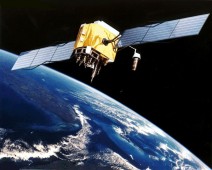
Siguiendo la estela de SpaceX, Amazon ha probado con éxito los enlaces entre satélites de sus dos prototipos del Proyecto Kuiper en órbita terrestre baja (LEO), mientras se prepara para empezar a desplegar una red mallada de banda ancha en 2024.
KuiperSat-1 y KuiperSat-2 utilizaron cargas útiles de comunicaciones ópticas a bordo para mantener un enlace bidireccional de 100 gigabits por segundo (Gbps) durante aproximadamente una hora cada vez, ha reconocido el vicepresidente del Proyecto Kuiper, Rajeev Badyal.
Los satélites estaban a casi 1.000 kilómetros de distancia durante las pruebas, pero la tecnología está diseñada para funcionar a distancias de hasta 2.600 kilómetros. De hecho, una vez completada la constelación los 3.200 satélites estarían posicionados a 1.000 kilómetros de distancia.
Cada satélite se está construyendo internamente y estaría equipado con múltiples terminales ópticos para poder contactar simultáneamente con un número indeterminado de satélites.
Según Badyal, los datos podrían circular por los satélites del Proyecto Kuiper un 30% más rápido que a través de cables de fibra óptica en tierra, ya que la luz viaja más despacio por el cristal que por el espacio.
Las conexiones rápidas son importantes para sectores como el financiero, donde las operaciones bursátiles se realizan en milisegundos.
Permitir que los datos salten de un satélite al siguiente en su camino hacia una estación terrestre también es importante para el transporte marítimo, la aviación y otros sectores fuera del alcance de las pasarelas terrestres.
SpaceX empezó a añadir enlaces ópticos entre satélites a su constelación de banda ancha Starlink LEO a principios de 2021, en principio para que la empresa no tuviera que instalar estaciones terrestres sobre los polos para lograr una cobertura global.
Una red de malla en el espacio también mejora en gran medida la capacidad de recuperación de la red, ya que los datos pueden redirigirse para evitar cualquier fallo del satélite, y es una parte clave de otras constelaciones propuestas, como Lightspeed de Telesat.
Amazon ya completó con éxito las pruebas de extremo a extremo de KuiperSat-1 y KuiperSat-2, lo que permite iniciar la producción de satélites comerciales que utilizan la misma arquitectura. La empresa planea empezar a lanzar estos satélites comerciales en la primera mitad de 2024, aprovechando los contratos asegurados con United Launch Alliance, Arianespace, Blue Origin y SpaceX.
Did you like this article?
Subscribe to our NEWSLETTER and you won't miss anything.
Related articles
 'Coworkinaos': first joint fiction project between CRTVG and RTPA
 Amazon's Project Kuiper begins deorbiting broadband satellite prototypes
 Amazon Prime Video launches the 'Group Video' function that will allow you to watch content and chat among a group of friends
 'Little coincidences', the new project from Atresmedia Studios, will debut on Amazon Prime Video
 Amazon closes an agreement with TVE, Atresmedia and Mediaset for the distribution of its series on Amazon Prime Video
 The RTVE Lab experiments with a transmedia project between television reportage and interactive documentary
 Amazon aims to compete with YouTube and Vimeo with the launch of 'Amazon Video Direct'
 Hispasat presents the Award for the Best Innovation Project for Telecommunications Satellites
 Five works pass the first phase of the Hispasat Award for the Best Innovation Project for Telecommunications Satellites
 Hispasat announces the Award for the Best Innovation Project for Satellites
 Richard Nye: “6P laser projection at 14 fL is the largest R&D project ever undertaken by Christie”
 The i2CAT Foundation presents the results of the FIBRE project developed between the EU and Brazil
 Interactive youth. New ways of communicating
 Mediapro projected the match between Barcelona and Ceuta in direct 3D