





The director of photography in front of the sequence shot: the case of 'Una noche con Adela'
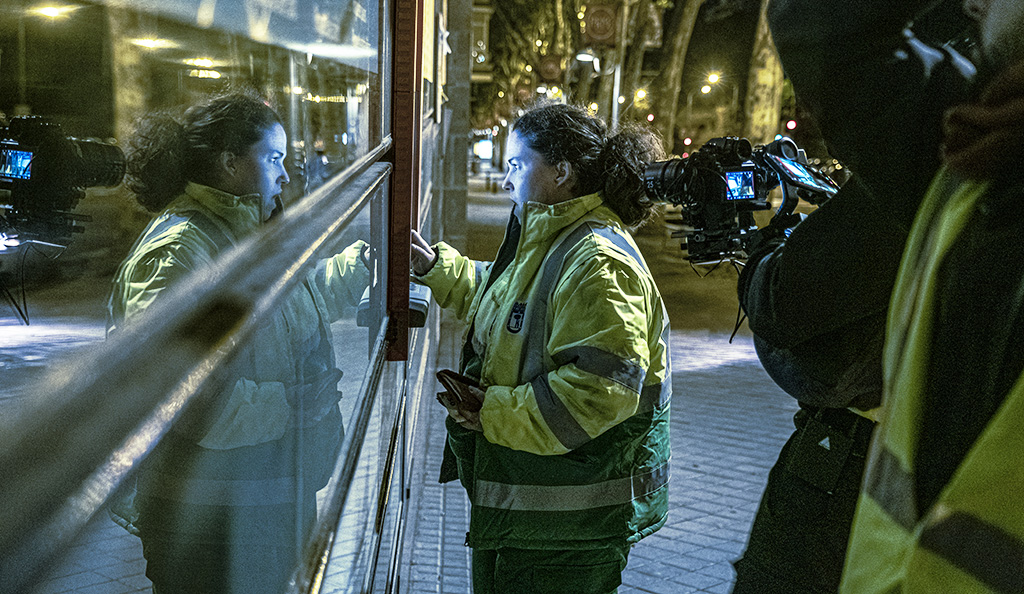

En esta tribuna, Diego Trenas, director de fotografía nominado al Goya por su trabajo en ‘Una noche con Adela’ (Hugo Ruiz, 2023), explica de qué manera se enfrenta al desafío de rodar un largometraje utilizando la técnica del plano secuencia.
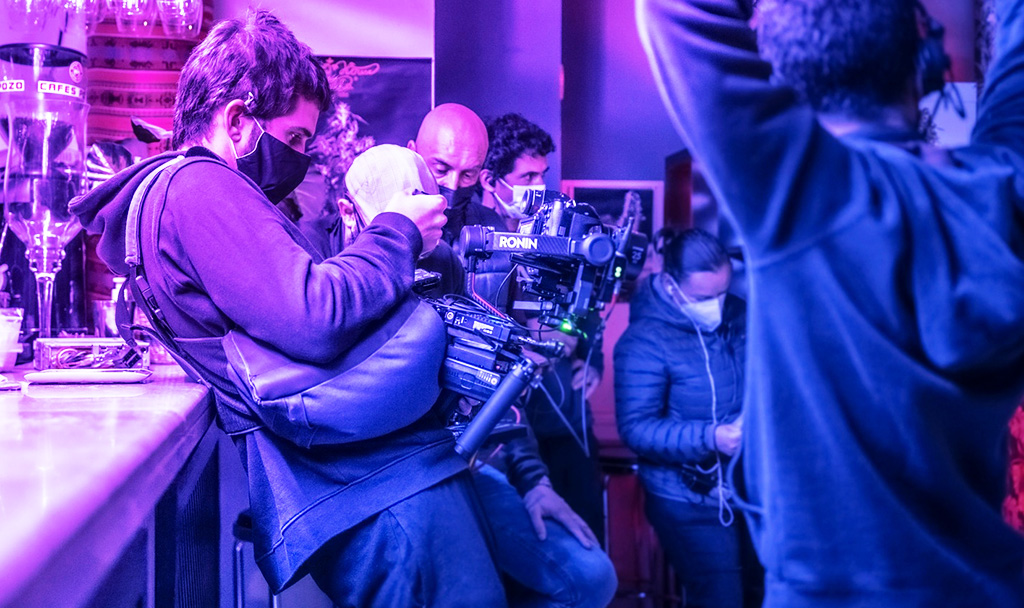 Cuando vino Hugo Ruiz con el guion de One night with Adela y me dijo, ya de primeras, que quería rodarlo en plano secuencia, lo primero que hice fue tratar de entender si lo quería hacer así por cuestiones estéticas o si realmente el guion y la película lo pedían, que es lo que a mí más me importa. Para mí, no tiene sentido hacer un plano secuencia porque te guste el reto, sino porque el guion y sus emociones piden que vivas los sucesos a tiempo real con la protagonista. Una vez leí el guion, descubrí que estaba claramente escrito para esta técnica. No había duda. One night with Adela pide que acompañemos esta hora y cuarenta y cinco minutos al personaje de Adela, viviendo a tiempo real lo que le está sucediendo.
La verdad es que había hecho planos secuencias de escenas, pero vamos, creo que nunca habían superado los cinco minutos. Aun así, desde una perspectiva técnica es una gozada para un director de fotografía, porque te obliga a prepárate de una manera muy estricta y precisa. Tuvimos que diseñar el recorrido exacto de 8km por el que el personaje iba a pasearse durante casi dos horas, iluminar de forma que nuestras luces no fueran visibles, jugar con las propias luces de la calle, evitar otras que van a provocar sombra… A nivel de cámara hubo que ensayar la coreografía una y otra vez, estar en forma para ello, memorizar los movimientos y encuadres, cerciorarnos de que iban a durar las baterías y tarjetas, entre otras decenas de problemas que nos iban surgiendo. Es un reto super bonito para un director de fotografía.
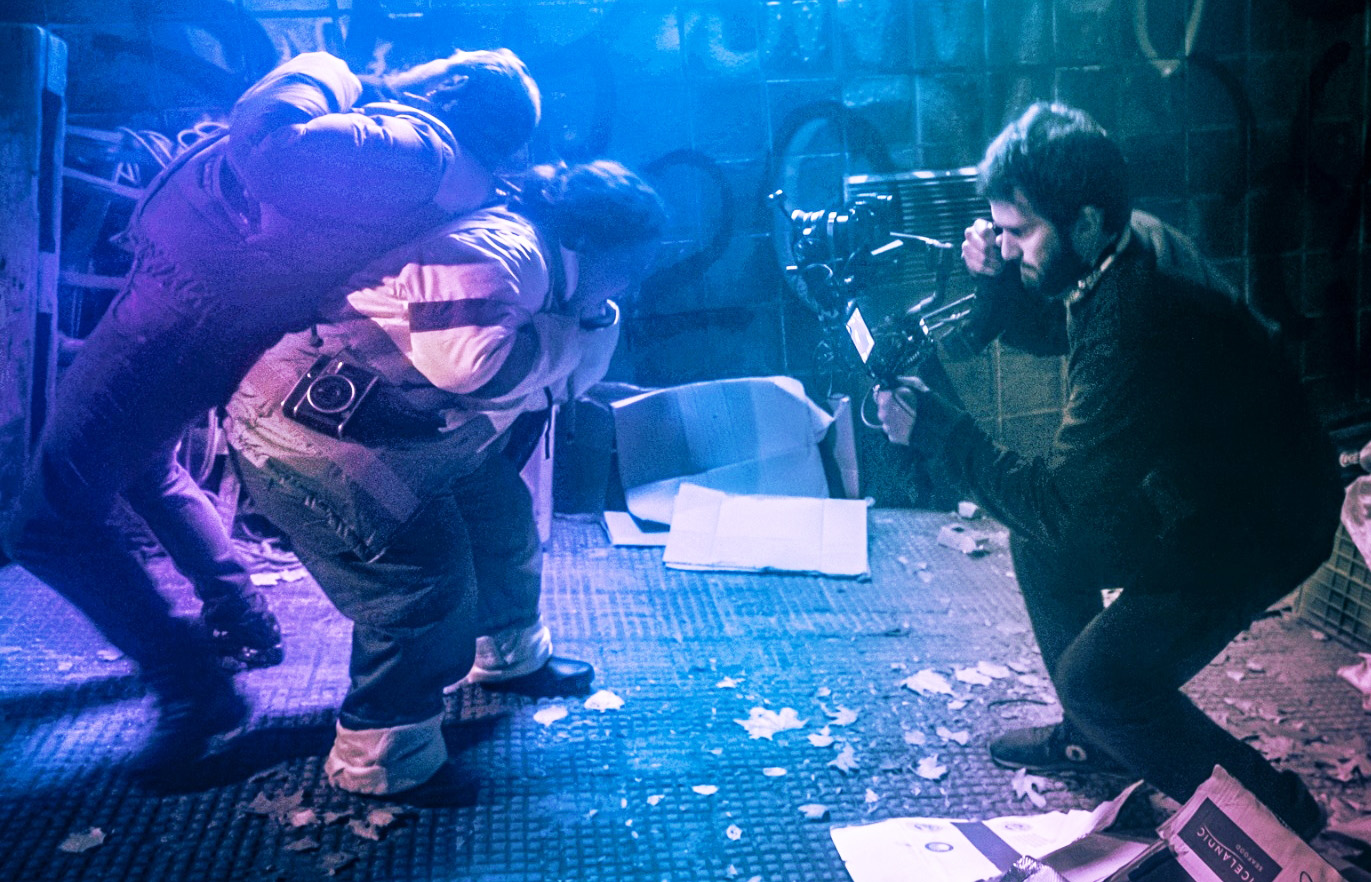
Rodando One night with Adela en plano secuencia
In Una noche con Adela, Laura Galán recorre ocho kilómetros de las calles de Madrid en una madrugada de diciembre. Nos encontramos con muchos retos a nivel del recorrido, como los cierres de tráfico o que la propia actriz es quien tiene que ir conduciendo un camión, lo que lleva al primer gran desafío: cómo nos metemos y salimos del camión.
En principio pensamos en quitar una de las puertas, pero el director Hugo Ruiz dijo que no podía ser, porque quería ver el camión entero cuando ella saliese. También planteamos poner una especie de plataforma al lado del copiloto para subirme y moverme con el camión, pero ahí entramos en un tema de seguridad laboral y permisos, además de que la plataforma se podría llegar a ver. Nos vimos en la tesitura de que no sabíamos muy bien cómo hacerlo. Esta situación nos hizo intentar innovar de alguna manera, porque tampoco teníamos mucha partida de VFX y queríamos que todo saliera directamente del rodaje.
La solución que encontramos fue rodar la primera parte de exteriores con un Gimbal y una cámara más pequeña de la que habíamos planeado: la Panasonic S1H, que cabía a través de la ventanilla del copiloto. También nos permitió rodar con un ISO nativo de 4.000 para adaptarnos a la penumbra nocturna y, a pesar de ser una cámara un poco más de guerrilla y consumidor medio, tiene un sensor muy bueno que cuadró bastante bien con la otra cámara. La segunda parte de la película, ya dentro de la casa, la rodamos con una Arri Alexa Mini en steadycam, que era nuestra apuesta inicial. Con las dos cámaras, y después de hacer bastantes pruebas, elegimos como única óptica un 25mm de DZOFilm, muy ligera y versátil. Eran diferentes sensores, pero con la corrección de color lo pudimos dejar bastante fino.
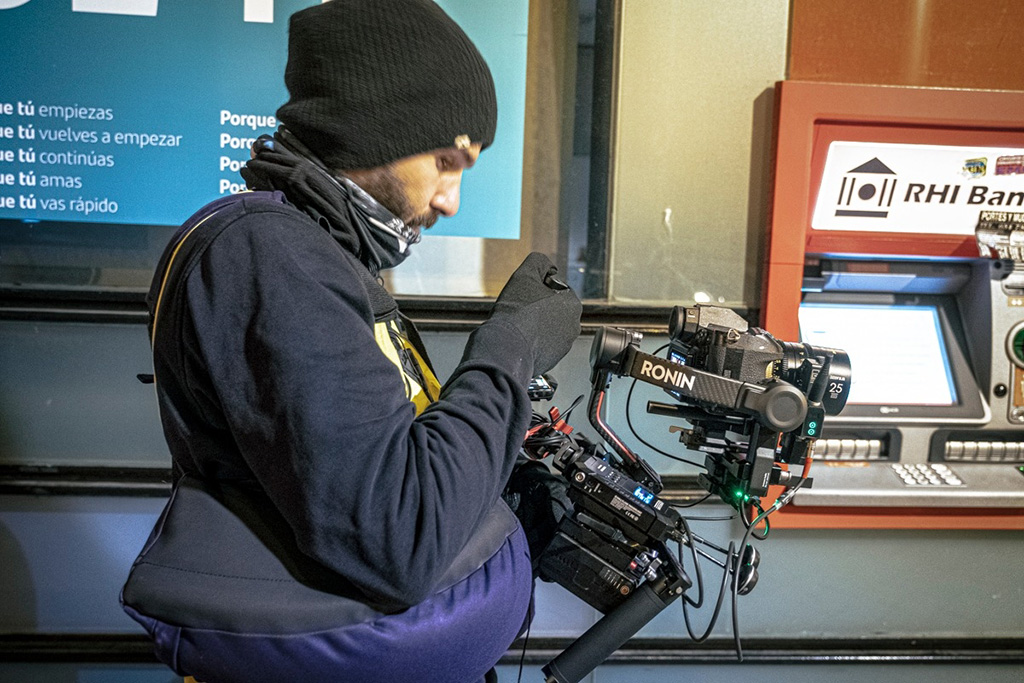
Gimbal vs. Steadycam en One night with Adela
Los desafíos de la primera mitad de la película los pudimos resolver usando el gimbal Ronin RS2. Usando este método pudimos pasar la cámara a través de la ventana del camión con el espacio justo para que un segundo operador de cámara, David Olivas, tumbado en el suelo del camión e imperceptible como un ninja (así le apodamos) pudiese recoger esa cámara y operar en los momentos en los que Adela está dentro del vehículo. El pobre no veía casi nada desde una posición tan incómoda así que tenía que ir dándole indicaciones por el walkie. Una vez Adela salía del camión, yo podía recoger esa cámara a través de la ventana. El pack completo pesaba unos cinco kilos, lo que nos ayudó un montón a la hora de operar y ser flexibles durante toda la película.
He gimbal funcionó bien, pero notamos que, en el punto en el que hicimos la película, aún le faltaba un poco… A veces tiene ciertas reacciones muy robóticas que no son del todo naturales y que en algunas ocasiones nos obligaron a repetir la toma. En otras quizá no nos dejó completar el movimiento o encuadre perfecto que me hubiera gustado, pero al final es un avance bastante bueno que permite hacer películas como está, de muy bajo presupuesto.
The combination of Gimbal y Steadycam nos permitió lograr lo que nos propusimos: que la cámara no se notase y que todo fuera superfluido.
Ya con el Steadycam en la parte final de la película, pudimos hacer algo incluso más preciso en cuanto al movimiento de cámara. El pobre Steadycam, David G. Marquez, lo tuvo bastante más pesado en comparación con los 5 kilos que tuve que operar yo, pero hizo un trabajazo impecable.
La combinación nos permitió lograr lo que nos propusimos: que la cámara no se notase y que todo fuera superfluido. Como me remarcó Hugo, Adela tiene un plan muy elaborado y está en control de lo que va pasando, lo que hizo que descartásemos inmediatamente la opción de cámara en mano porque necesitábamos flotar con Adela.
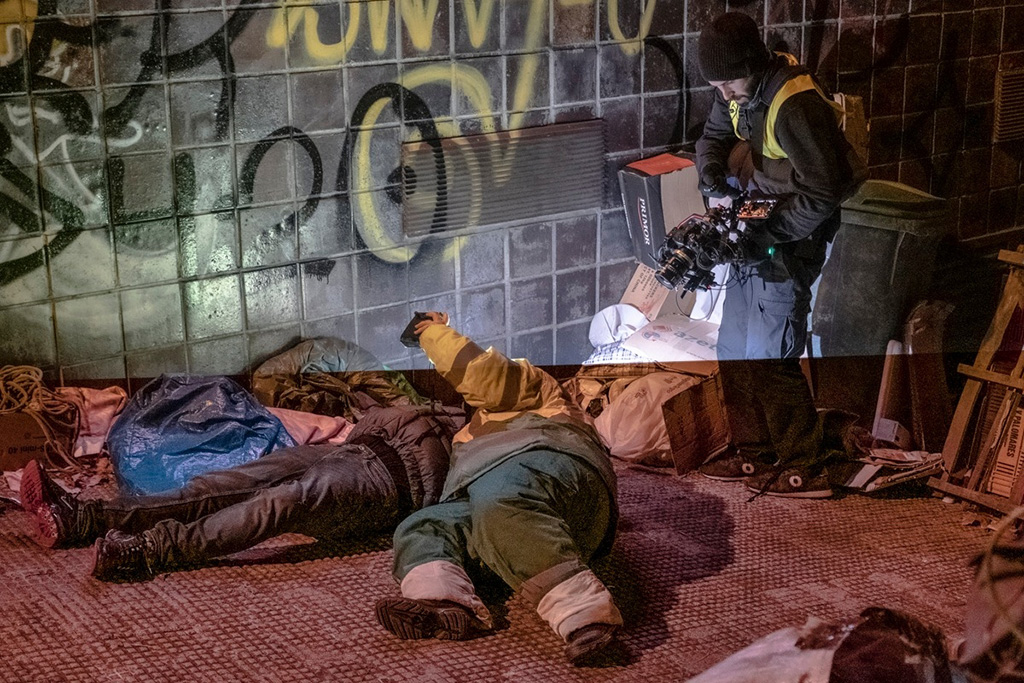
Un plano secuencia que no es tal…
El objetivo de Hugo y mío desde el principio fue conseguir que la película funcionase y se viese como un plano secuencia. Barajamos rodar toda la película en una sola toma, como puede ser la película Victoria (Sebastian Schipper, 2015), pero lo tuvimos que descartar por limitaciones como permisos para cortar distintas calles en días distintos, el calendario de los actores, o escenas complejas como la del sexo, y aún así logramos finalizarla en tan solo 4 planos secuencia de unos 30 minutos cada uno.
Descartamos el plano secuencia completo por limitaciones pero, aun así, logramos finalizar la película in cuatro planos secuencia de unos 30 minutos cada uno.
Elaboramos ciertos cortes en ciertas partes que nos permitieron dividir la película en los distintos días de rodaje, procurando siempre que fueran lo menos visible posible. Esto es algo habitual en la mayoría de películas rodadas en planos secuencia, pero el espectador no tiene por qué darse cuenta. Los introducimos de forma que, si bien alguien con más experiencia puede percatarse de esos cortes, la audiencia menos profesional no sufre interrupciones de la narrativa.
Estoy muy contento con el resultado. Creo que funciona muy fluido y sobre todo no te saca de la película. Al final, la idea de que pases esas dos horas con Adela se cumple, y eso es lo que importa.
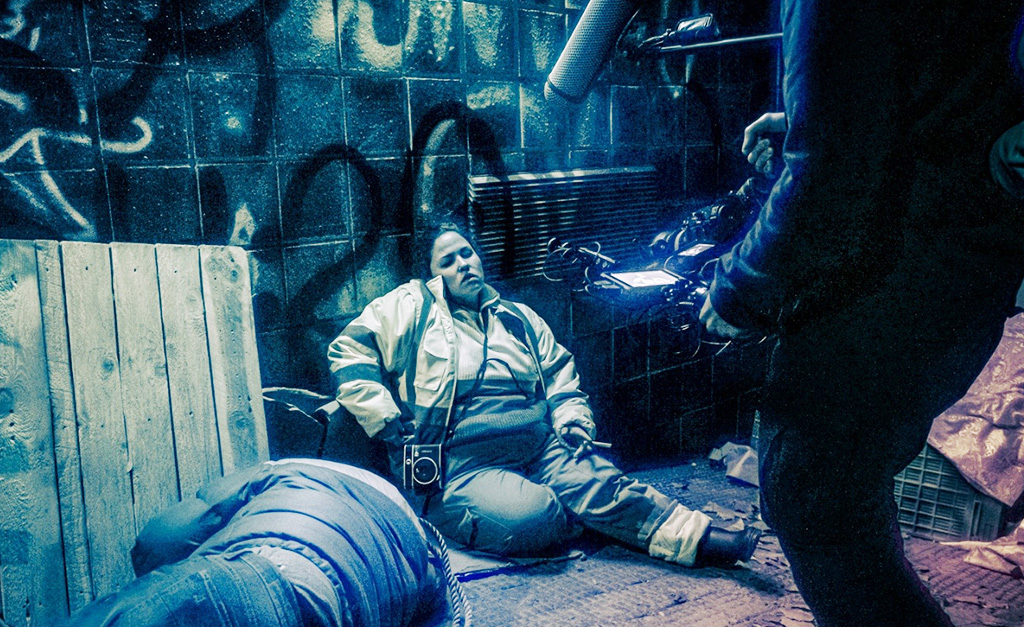
La experiencia de fotografiar un plano secuencia
Permitidme ser sincero: me lo pasé como en mi vida rodando Una noche con Adela. Fue increíble tener tantos retos por delante y comerme el tarro para resolverlos de una manera muy precisa, hacer pruebas e ir solucionando todos los obstáculos que iban surgiendo. Es algo que llena mucho la labor del director de fotografía y te sientes de gran utilidad. En ese sentido fue para mí como un jardín de las delicias. ¡Me lo pasé increíble!
Permitidme ser sincero: me lo pasé como en mi vida rodando Una noche con Adela. Fue increíble tener tantos retos por delante y comerme el tarro para resolverlos.
Cuando Hugo me presentó el guion, me enseñó ya otros dos guiones: Dante de noche y La noche de Domingo, y los tres juntos son una trilogía coetánea que sucede en Madrid en el mismo espacio y tiempo que Una noche con Adela. Hay cosas que pasan a la vez y momentos que se cruzan en las películas, y las tres estarán rodadas en plano secuencia, por lo que aunque pudiera pasar por mi cabeza la idea de cambiar de registro, no será posible. Cuando dije de rodar One night with Adela, estaba diciendo que sí a las otras dos. ¡Ahora es momento de explorar nuevas maneras para seguir aprovechando todo lo que el plano secuencia tiene que ofrecer!
Diego Trenas
Director de fotografía
Did you like this article?
Subscribe to our NEWSLETTER and you won't miss anything.
Related articles
 Netflix adapts the novel 'All the truth of my lies' with production by Plano a Plano
 'La Revuelta' closes the year with a sequence shot starring Amaia and shot with steady-cam
 Mediaset España and Plano a Plano shoot 'She, damn soul' in Cádiz
 Hugo Ruiz, Best New Director at Tribeca for 'Una noche con Adela'
 Shot by Shot begins filming the Netflix miniseries 'A Perfect Tale'
 Shot by shot prepares a miniseries about Miguel Hernández directed by Benito Zambrano
 Netflix commissions Plano a Plano for the second season of 'Valeria'
 Plano a Plano begins filming of 'Benidorm', the new original Atresmedia series
 Atresmedia and Plano a Plano begin filming the fifth season of 'Allí Abajo'
 Atresmedia and Plano a Plano begin filming the series 'Toy boy' in Malaga
 Plano a Plano will produce a new comedy for Antena 3
 TVE premieres 'The Case. Chronicle of events', a fiction from Plano a Plano
 The director of photography of 'The Adventures of Pi', Claudio Miranda, reveals some details of the film
 'Myna se va': the most controversial and longest sequence shot in Spanish cinema