





Getting to know Spectera, the Sennheiser revolution: “It provides a lot of control over your environment”
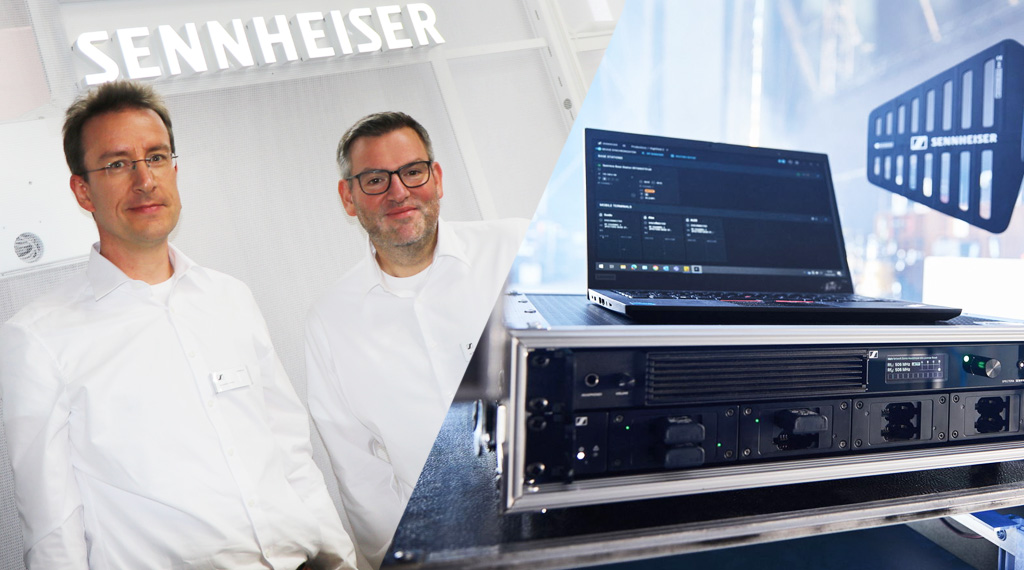
Sebastian Georgi y Jan Watermann, ingenieros de I+D de Sennheiser e inventores del Wireless Multi-Channel Audio Systems (WMAS), trasladan todas las claves de Spectera, la gran revolución para el mundo del audio que la compañía europea ha presentado en primicia durante IBC 2024.
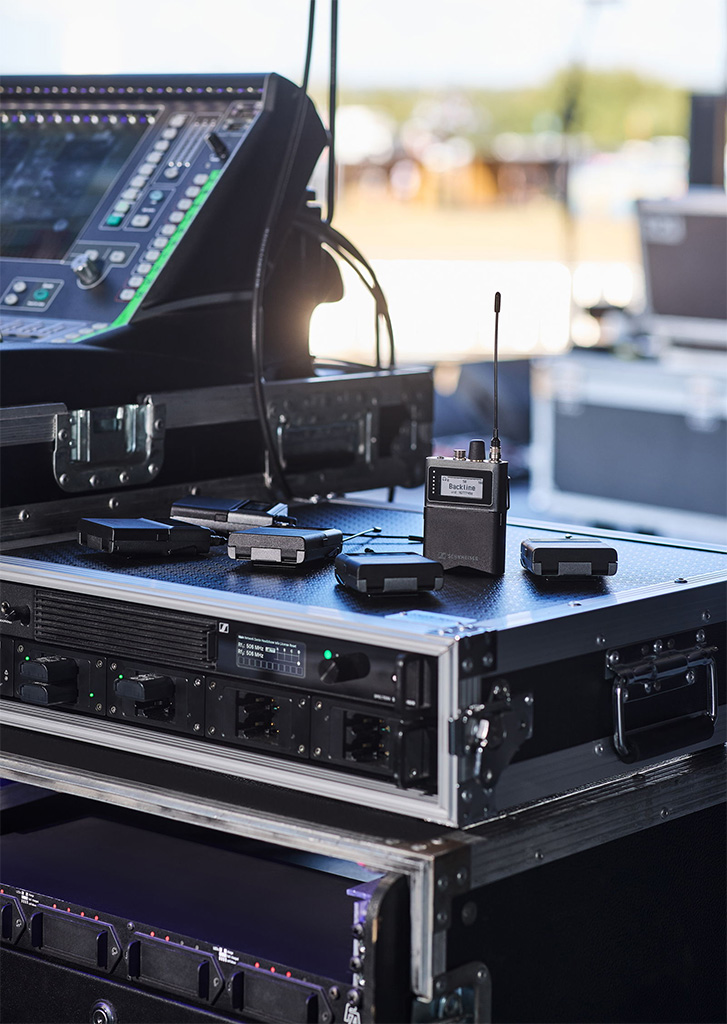 Hace unos pocos días, Sennheiser presentó a la industria mundial uno de sus secretos mejores guardados; un proyecto en el que los equipos de I+D de la compañía han trabajado intensamente para responder a algunos de los principales desafíos de la industria broadcast, Live y ProAV. Hablamos de Spectera, solución bidireccional de banda ancha que reduce en gran medida la complexity de los sistemas inalámbricos al mismo tiempo que aumenta su capacidad.
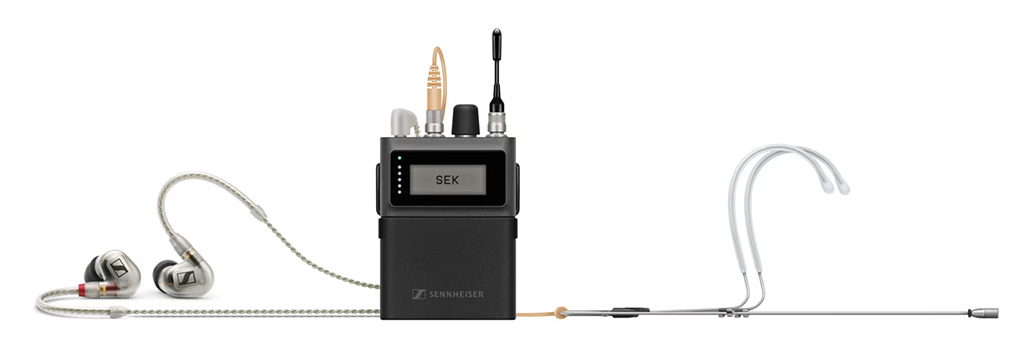
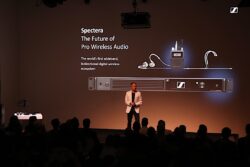
Spectera nace para hacer posibles flujos de trabajo más versátiles gracias a su detección permanente del espectro mientras ofrece, en paralelo, un full remote control and monitoring. Además, más allá de aportar una resistencia al desvanecimiento de RF, aporta un uso flexible del canal de RF de banda ancha, lo que arroja una latencia de tan solo 0,7 milisegundos en IEM digitales. Estos avances tecnológicos se materializan en forma de bodypacks bidireccionales capaces de gestionar señales de micrófono/línea y señales digitales IEM/IFB al mismo tiempo.
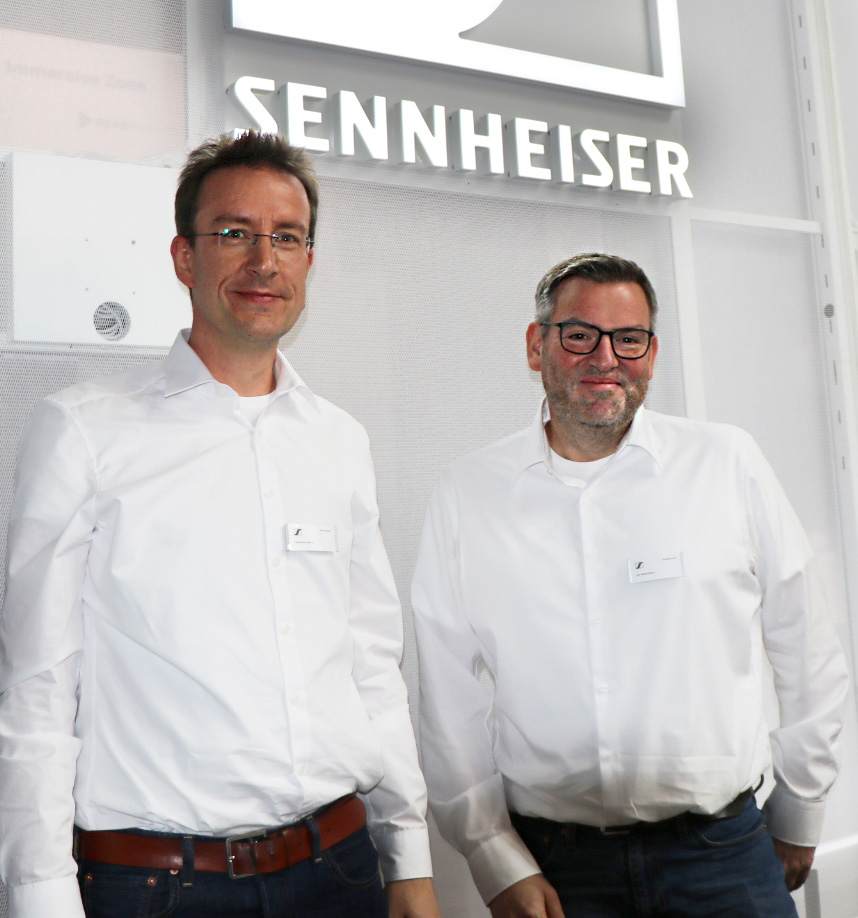
Sebastian Georgi (izq.) y Jan Watermann (der.)
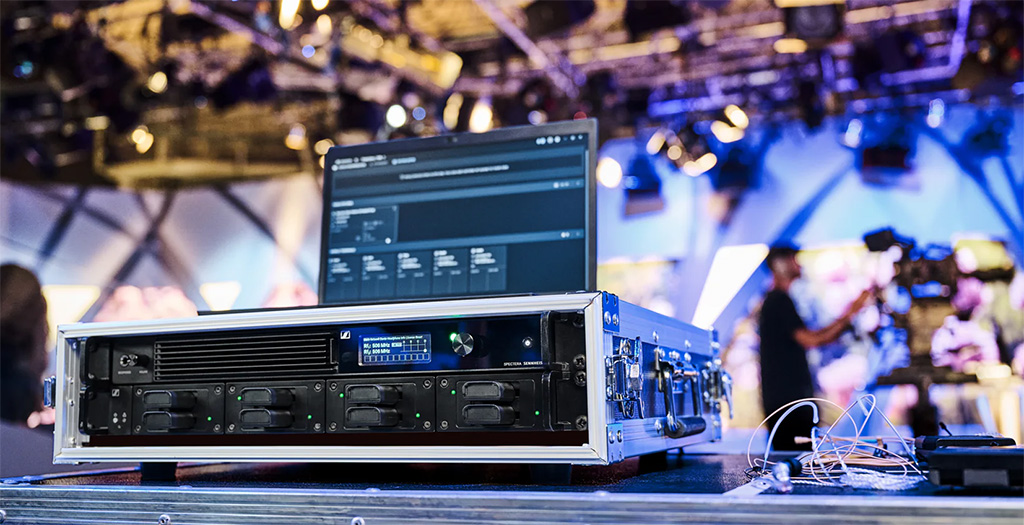
El sistema se completa con Spectera SEK, solución que gestiona audio de micrófono, IEM y datos de control en el mismo canal de banda ancha, y una completa base station de una sola unidad de rack con 32 entradas y 32 salidas que ayuda a sustituir el clásico rack lleno de receptores de micrófonos inalámbricos y transmisores IEM. Todo, funcionando en torno a WMAS, una variable propia de OFDM-TDMA diseñada específicamente para una comunicación multicanal, bidireccional y de baja latencia en entornos de audio profesional.
In this interview, Sebastian Georgi y Jan Watermann, impulsores de WMAS y expertos de I+D de Sennheiser, permiten conocer todos los detalles de cómo se fraguo Spectera, qué elementos le diferencian de otras soluciones similares en el mercado y de qué formas específicas puede ayudar a industrias como el mercado broadcast.
Spectera: un enfoque disruptivo
Sennheiser estrena con Spectera una aproximación sumamente innovadora con respecto a los sistemas inalámbricos digitales que ya existen en el mercado. ¿Qué retos han identificado en este ámbito y cómo los aborda Spectera?
Sebastian Georgi (SG): El punto de partida de Spectera es un problema muy concreto de los sistemas de hoy en día: el desvanecimiento selectivo en frecuencia. Lo que ocurre con los sistemas actuales es que tienes una bonito setup de antenas. Todo funciona bien. Entonces, caminas 10 metros sobre el escenario y experimentas una caída en la potencia de la señal, lo que puede suponer una caída del audio y la interrupción del show. Y esto sucede con regularidad, especialmente en lugares grandes donde hay muchas reflexiones, como podría ser una sala con un techo o paredes de metal, causando una interferencia destructiva. Encontramos la solución para este problema aplicando un enfoque de banda ancha.
Aproximamos este problema de una forma fundamentalmente diferente: queríamos abordar la interferencia de frecuencia usando un diseño de señal de banda ancha para, en vez de ocupar 200 kHz, ocupar 8 MHz. Asimismo, para lograr una eficiencia similar o mejor en términos de recursos de frecuencia, tuvimos que realizar las divisiones de otra manera. Así que, al contrario de lo que sucede ahora, que cada micrófono tiene su propia frecuencia y se coloca en el espectro, dividimos estos recursos a lo largo del tiempo. De este modo, cada micrófono tiene su franja horaria especial. Esto no deja de ser la tecnología TDMA, la cual es muy conocida en televisión y en sistemas 4G y 5G. Sin embargo, lo que hemos hecho es adaptar esta tecnología de uso general a unos requisitos muy específicos del audio profesional, como la calidad de audio y la latencia.
Durante la presentación de Spectera, Andreas Sennheiser (CEO) puso sobre la mesa lo compleja que es la situación con respecto al espectro de radiofrecuencia. ¿Cómo aborda el nuevo sistema esta cuestión?
Jan Watermann (JW): Contamos con diferentes modos de audio, de forma que cada usuario pueda diseñar el sistema para adaptarlo a sus necesidades. De esta forma, si solo tienes un canal en la televisión, ahora podrías poner más canales. Por ejemplo, algunos modos proporcionan una mayor eficiencia y consumen menos espectro al combinar micrófono y monitorización inEar. Este enfoque se consigue utilizando un único dispositivo RF, lo que haga que se necesite menos espectro y sea más sencillo de desplegar. También se adapta a las giras: si llegas a unas nuevas instalaciones, solo tienes que comprobar que el canal del día anterior está libre. En el caso contrario, tan solo tienes que buscar un canal libre y cambiar la frecuencia.
Claro, porque no será lo mismo desplegar el sistema en Australia, en las Américas o en Europa…
(SG): Hemos apostado por ofrecer una nueva aproximación con respecto a las variantes específicas de cada país. Decidimos no realizar variantes para cada territorio, por lo que el hardware será el mismo. El usuario adquirirá una licencia que estará delimitada por cada país. Por ejemplo, en Estados Unidos podrá utilizar 6 MHz de ancho de banda, mientras que en Europa serán 8 MHz. De esta forma, los usuarios podrán adaptarse a los distintos regímenes regulatorios de cada país.
Las ventajas de la bidireccionalidad y los estándares abiertos
Spectera se construye en torno a su capacidad de realizar una transmisión digital bidireccional de banda ancha. ¿Cómo ayuda esta tecnología a reducir la complejidad asociada a menudo a las instalaciones de audio a gran escala?
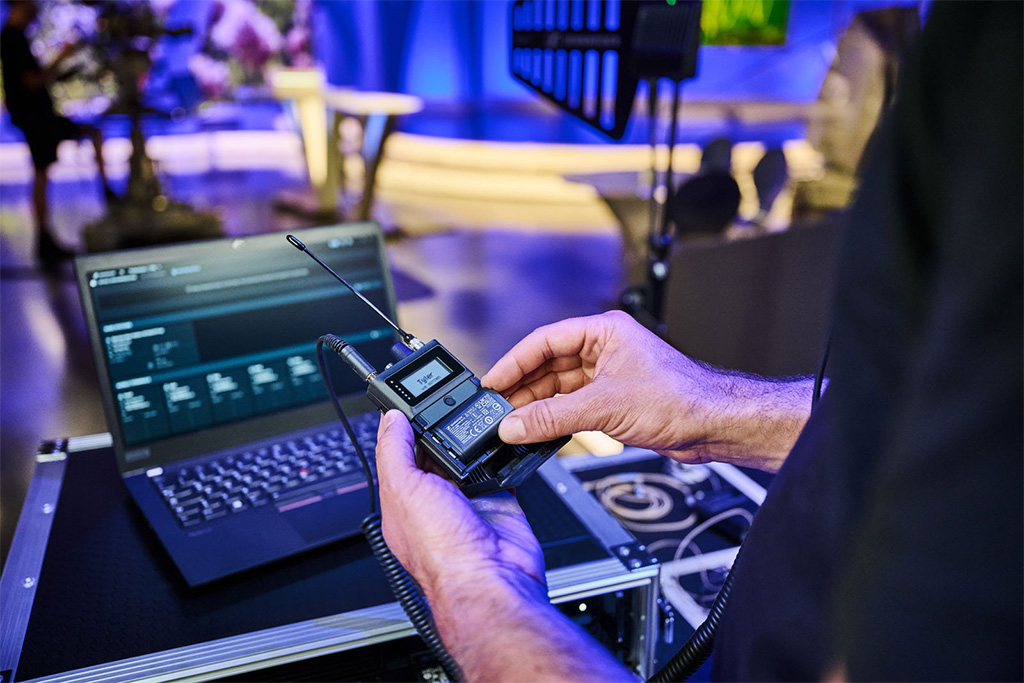
(SG): “Piense en los sistemas actuales. Le da un receptor para in ear a su talento y la envía al escenario. A partir de este momento, carece de información. ¿Cuál es el estado de la batería? ¿Qué volumen decidió usar? No tiene control sobre la unidad, lo que hace que básicamente esté a ciegas. Espera que todo vaya bien, pero no tiene certezas. En Spectera, todos los dispositivos son bidireccionales, lo que implica que incluso si utilizas el dispositivo únicamente como receptor de audio, podrás seguir transmitiendo información de control e incluso supervisar el estado de la batería o el volumen. Incluso puedes ajustar el volumen de forma remota si el talento lo ha cambiado accidentalmente a un nivel inadecuado. Todo esto aporta muchísimo control sobre su entorno. También, como ya he mencionado, el tiempo de configuración se reduce drásticamente gracias a la coordinación de las frecuencias.
WMAS es el concepto que hace posible la propuesta de Spectera. ¿En qué consiste?
(JW): WMAS es principalmente el nombre del sistema de licencias. Tras preparar la tecnología, creamos nuestros primeros prototipos, pero teníamos que acudir a las autoridades para que nos autorizaran a usar estos dispositivos de banda ancha. De hecho, en la actualidad todos los sistemas utilizan los 200 kHz, que es de facto la norma para los sistemas de micrófonos inalámbricos. Así que primero tuvimos que añadir esta propuesta de WMAS de forma enmascarada al estándar y, ahora sí, ya tenemos el permiso para ofrecer estos productos.
(SG): WMAS no es una tecnología. Hay muchas personas que piensan que lo es, pero es solo un capítulo parte de un estándar del ETSI. Pero hay una cosa muy importante, y es que este capítulo es completamente neutral. El OFDM-TDMA es un estándar abierto que se puede implementar en cualquier tecnología que desees y esto es positivo, ya que otros agentes podrían tener ideas diferentes de cómo implementar WMAS para aportar más opciones a los clientes.
Spectera y los desafíos del broadcast
En el futuro podremos encontrar Spectera en giras, teatros o en la televisión. Particularmente, en el área broadcast, ¿qué tipo de aplicaciones imaginan para aprovechar todo su potencial?
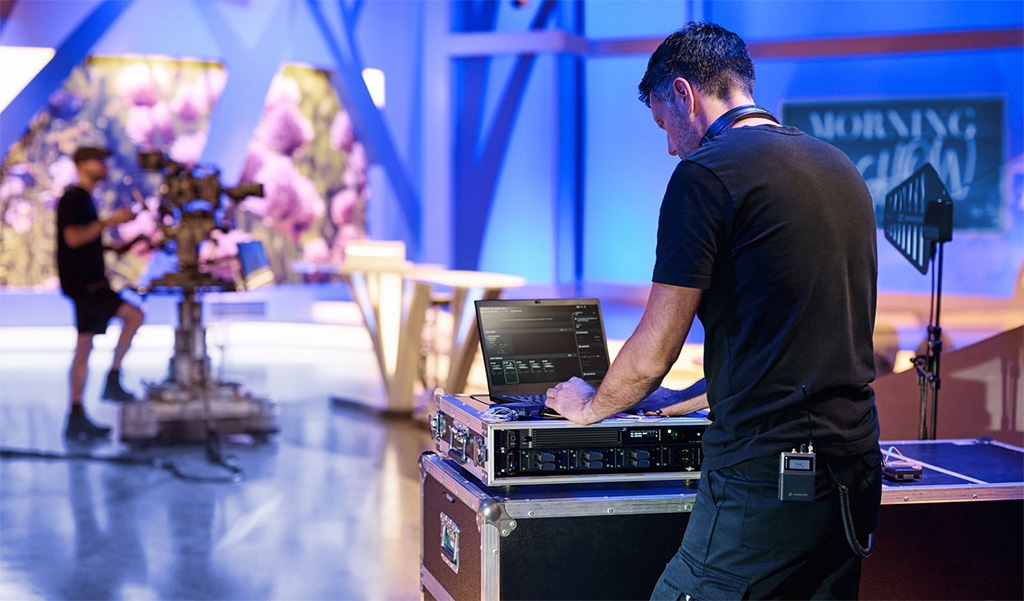
(JW): En el mercado broadcast, Spectera destacará por su flexibilidad, partiendo de su receptor bidireccional. En el caso más típico de los programas informativos, normalmente tienes dos dispositivos: uno para el sistema de micrófono y un segundo para la monitoring o el IFB. Con Spectera, esto puede hacerse con un único dispositivo, lo que simplifica los procesos y hace más flexibles diferentes escenarios. También, por ejemplo, podrías cambiar toda la configuración remotamente para adaptarse a cada necesidad o formato.
¿De qué manera se podría integrar Spectera en los nuevos entornos IP con la norma SMPTE ST 2110?
(JW): Actualmente, Spectera cuenta con dos puertos MADI e interfaz Dante, pero ya estamos planeando poder integrar conectividad en la estación base con el estándar SMPTE ST 2110.
(SG): La solución actual es compatible con SMPTE ST 2110, pero hay algunas limitaciones. Sabemos que hay muchos broadcasters que quieren tener una integración más profunda, así que invertiremos en ello en el futuro cercano.
A muchos directores técnicos siempre les preocupa la transición a un nuevo sistema, sobre todo cuando se trata de tecnologías innovadoras. ¿Cómo afectaría la llegada de Spectera a los sistemas de audio tradicionales?
(JW): El sistema Spectera se puede utilizar junto con los sistemas actuales. Se puede planificar un despliegue separando ligeramente las frecuencias, lo que podría incluso hacer que un sistema tradicional y Spectera funcionen de manera conjunta. No hace falta cambiar el sistema de golpe: puede comenzar a usarlo con los microphones y, en el futuro, hacer una transición completa.
¿Cuándo estará disponible Spectera?
(SG): Podremos dar más detalles en la primera mitad de 2025.
Did you like this article?
Subscribe to our NEWSLETTER and you won't miss anything.
Related articles
 NEP Australia redefines its most demanding RF productions with Sennheiser Spectera
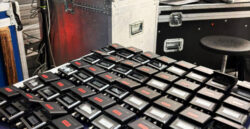 Magnetrón supplies SRS with the first Spectera system (Sennheiser) in Spain
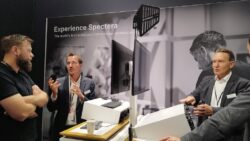 Sennheiser reveals the most interesting new features of Spectera at IBC
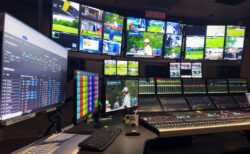 Sennheiser Spectera supera su premier tour de force at PGA Tour Studios
 Sennheiser begins marketing its Spectera broadband wireless ecosystem
 With the Pioneer Program, Sennheiser collects feedback from users of its Spectera system
 Sennheiser ushers in a new era in wireless digital audio transmission with Spectera broadband bi-directional solution
 Lavinia reflects on the “unstoppable revolution” of AI, immersion and audiovisuals with a video podcast
 Telefónica logra velocidades de 1 Gbps. con tecnología 4.9G sobre la red existente en un entorno real
 Non Stop People organizes a summer course on the revolution of the series phenomenon
 Mediapro inaugurates an exhibition in Barcelona on the revolution in the audiovisual world
 EBU executives debate in Madrid on the regulatory framework in the digital environment
 Fox Brasil migrates to a digital environment over IP with Lawo
 Professionals debate the new television and the hybrid revolution