





La Cátedra FlixOlé-URJC entrega los III Premios a la Investigación del Cine Español
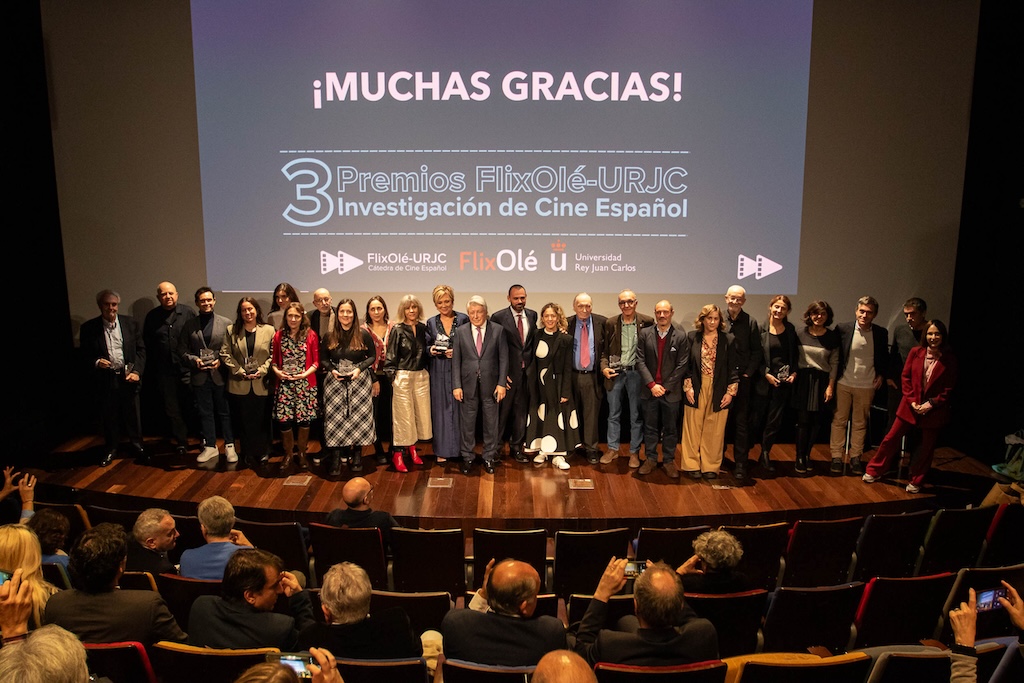
En la sede la Academia de Cine, la Cátedra FlixOlé-URJC ha entregado este lunes los Premios a la Investigación del Cine Español en la que ha sido la tercera edición de estos galardones que reconocen el trabajo de investigación y divulgación del audiovisual desarrollado por estudiantes, docentes y profesionales de la comunicación.
El acto, presentado por la periodista de Antena 3 Noticias, Lucía Piñar, ha reunido a numerosas personalidades del sector cinematográfico y académico.
El fundador de la plataforma FlixOlé, Enrique Cerezo, destacó la buena acogida del certamen y en cómo el mismo adquiere mayor relevancia con cada edición, duplicándose las propuestas presentadas con respecto a la anterior gala. “Contribuimos a que este sector crezca en nuestro país, a que afrontemos los cambios y retos constantes que supone filmar una película y, por supuesto, a que se ponga en valor nuestro rico legado cinematográfico”, subrayó durante su intervención.
La entrega de galardones comenzó con el director de la cátedra, el investigador y docente de la Universidad Rey Juan Carlos (URJC), Mario Rajas, destacando la finalidad de estos premios: “Estos premios permiten a las nuevas generaciones adentrarse en el apasionante mundo de la investigación sobre la historia, la narrativa o la estética de nuestro cine”.
Inmediatamente después se concedieron los premios académicos, otorgados a Sofía Huerva, Mejor TFG por su proyecto Evolución del product placement en el panorama cinematográfico español; a Aramis Guerrero, Mejor TFM por Aceptación y creatividad: la enfermedad en el cine de Pedro Almodóvar, siendo el productor y cocreador de El Deseo quien le ha hecho entrega de la estatuilla; a Ester Algarra, Mejor Tesis Doctoral por El corto y mediometraje musical español en la década de los años 30; y a Josetxo Cerdán y Lucía Rodríguez García, autores del Mejor Artículo Científico por el proyecto El futuro es de la mujer porque el pasado es del hombre. La recuperación del cine de Nadia Werba en España (1965-1967).
Galardones periodísticos
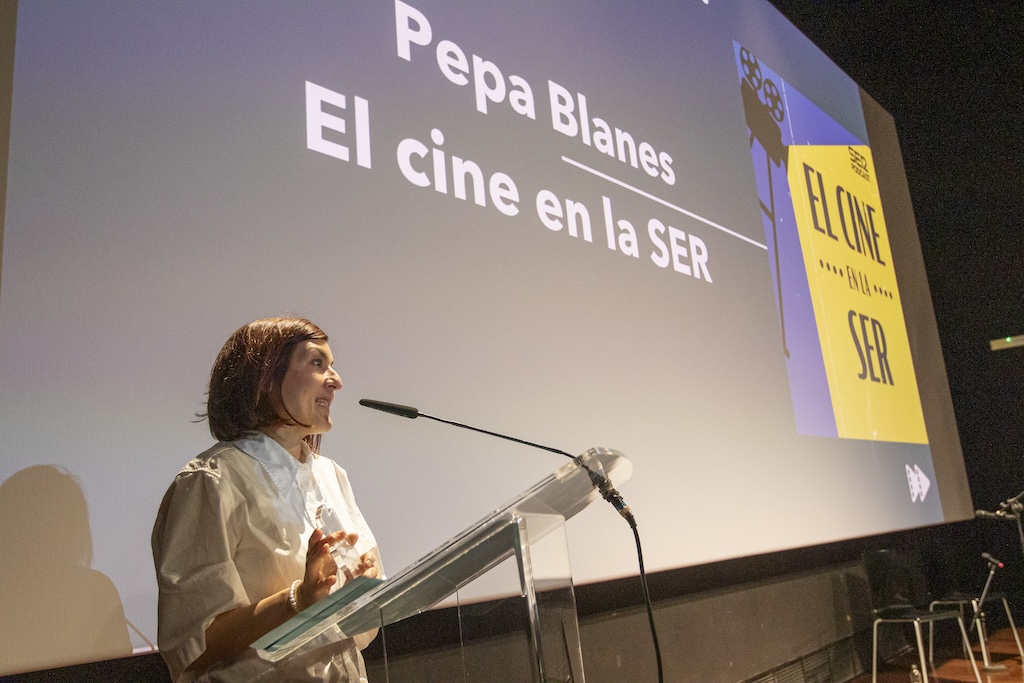
Finalizada la entrega de los premios académicos, y tras un intermedio musical a cargo del cantaor Felipe Lara y el guitarrista Pablo San Nicasio Ramos, se dio paso al reconocimiento de las propuestas periodísticas, audiovisuales y multimedia que han contribuido a la promoción del cine español. La jefa de Cultura de Cadena SER, Pepa Blanes, fue la primera en coger el micrófono al recibir de manos de la cineasta Paula Ortiz la estatuilla Medios Emergentes por el podcast que dirige, El Cine en La SER. “Este premio es para una persona conectada con lo más celeste de la comunicación y que hace que las luces de la imaginación lleguen al público. Es una mujer que abre camino y que cree el cine es un elemento transformador del mundo”, subrayó Ortiz sobre la premiada. A Blanes le siguió su compañera de profesión, María Sanz, quien se subió para recoger el galardón Artículo Especializado por su publicación Especial Film Commission en la revista Cinemanía. “Gracias por poner el foco en esta parte de la industria menos visible”, señaló la protagonista.
A continuación se entregaron los galardones a mejores libros. Así, el premio a Mejor Libro de Investigación recayó sobre el crítico e historiador, Carlos F. Heredero, por su publicación Iceberg Borau. La voz oculta de un cineasta. El también periodista y escritor, Fernando Lara, otorgó la estatuilla dedicándole unas palabras: “Es muy fácil entregar este premio, porque Heredero es el mejor. Es un libro modélico”. Por su parte, Heredero agradeció el reconocimiento recordando la figura de José Luis Borau y su “inmenso legado”.
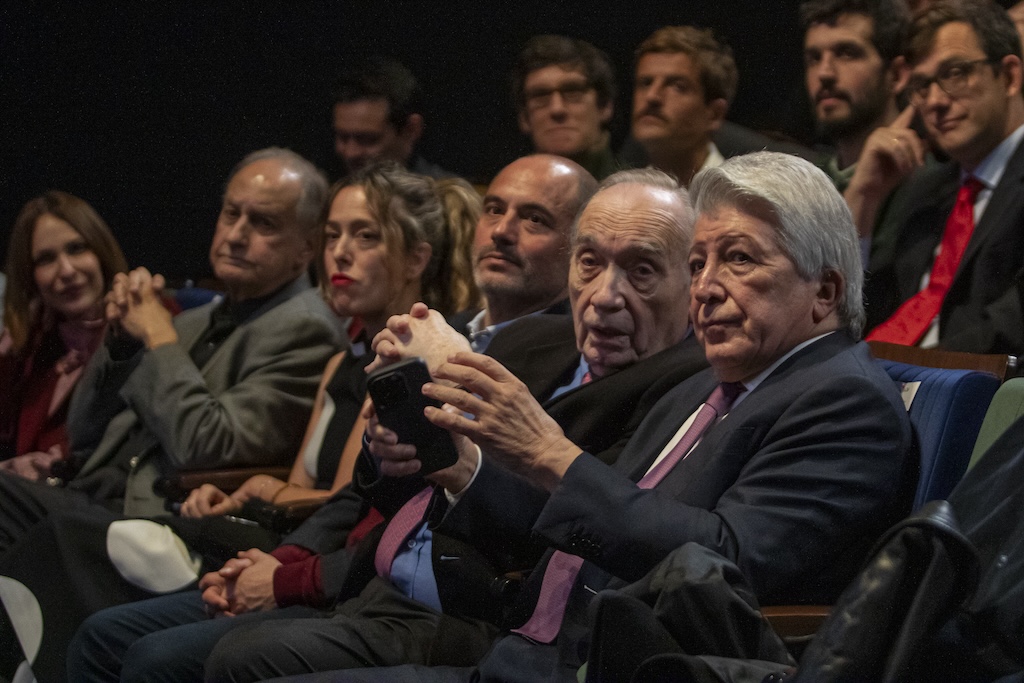 The president of the Film Academy, Fernando Méndez-Leite, tomó la palabra instantes después para anunciar el ganador de Mejor Libro de Cine Español, siendo éste el director Manuel Gutiérrez Aragón por su novela autobiográfica Vida y Maravillas. Méndez-Leite aprovechó la ocasión para introducir el libro: “Son unas memorias que relatan aspectos del entendimiento de Manuel con la realidad que le rodea. A lo largo de estas páginas va contando momentos de la España que le ha tocado vivir, focalizándolos con su infancia, sus luchas sindicales, su paso por la Escuela de Cine”. “Su obra cinematográfica es extraordinaria”, continuó el entregador, que cerró su discurso animando al cineasta a hacer una nueva película. Por su parte, Gutiérrez Aragón declaró: “Me gusta volver a estar con la familia del cine y estos premios son una gran oportunidad. El cine va mucho más allá que las películas y celebro que la Universidad se ocupe del cine”.
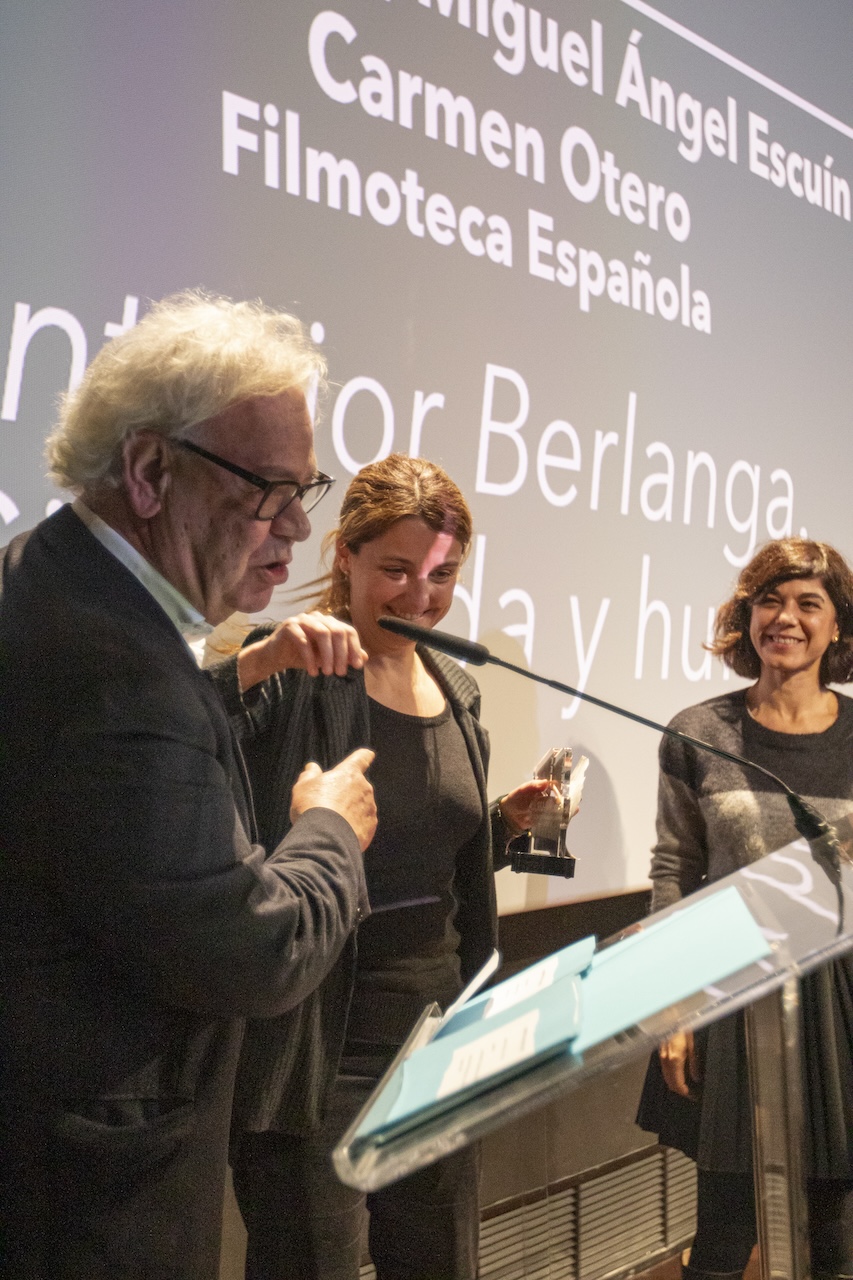 La estatuilla a Mejor Evento fue entregada por el productor José Luis García-Berlanga a la exposición con la que CaixaForum ha homenajeado el legado de su padre, el director Luis Gª Berlanga: Interior Berlanga. “Esto es una exposición maravillosa, con material personal de toda una vida, catalogado y digitalizado por La fundación para que se pueda disfrutar”, expresó García-Berlanga. La coordinadora del proyecto ganador, Lavinia Mayer Rodà, recogió el galardón acompañada por Noelia Sastre, de Filmoteca Española.
Instantes después se estrenó la nueva categoría de estos premios con el reconocimiento a Mejor Investigación Audiovisual. El mismo le fue otorgado al director Miguel Olid por su documental Summers, el rebelde (2024). “El cine documental no sería lo que es si no fuese por el trabajo de mucha gente. La ‘Summersfobia’ me hizo creer que había una historia que contar. Le dedico este premio a toda la gente que investiga sobre cine español”, manifestó el autor.
Una vez le dio paso la presentadora, la también directora de cine, Andrea Jaurrieta, se situó en el atril para pronunciar el nombre del premiado a la Trayectoria Profesional. “Me hizo mucha ilusión cuando me propusieron entregar este premio porque he crecido con Días de Cine, y es un orgullo darle el premio como espectadora y como cineasta. Gente de mi pueblo supo que hice una película porque salió en Días de Cine”, adelantó la autora para acto seguido invitar a Gerardo Sánchez a recoger el galardón. Tras un juego de relaciones fílmicas, éste declaró que si había obtenido este premio es gracias a trabajar con “gente con talento” y lanzó un alegato: “Esperemos alimentar a otras generaciones de cineastas”.
El programa televisivo de RTVE Cine de Barrio, presentado Inés Ballester y dirigido por Machús Osinaga, cerró la ceremonia. Cerezo fue el encargado de entregar este premio: “Es un servicio público en sí mismo. Porque, además de entretener, da visibilidad a un cine injustamente denostado en multitud de ocasiones. Gracias a este espacio, revivimos experiencias, emociones y recuerdos, al tiempo que se divulga y promociona nuestra cultura fílmica”. “Cuando empezamos en esto, todavía llamaban a estas películas españoladas. Con el tiempo, ha evolucionado el cine y nuestro programa, y contamos con un programa con mirada propia”, expresó Ballester, a quien siguió Machús Osinaga, que aprovechó para recordar el equipo detrás del espacio televisivo “que nos enseña por qué somos así”.
Did you like this article?
Subscribe to our NEWSLETTER and you won't miss anything.
Related articles
 The 4th edition of the FlixOlé-URJC Awards for Spanish Cinema Research announces its achievements
 La Cátedra FlixOlé-URJC premia por tercer año la labor de investigación y promoción del audiovisual español
 FlixOlé y la URJC entregan los II Premios a la investigación del cine español
 The FlixOlé-URJC Chair takes stock of its first year at the Malaga Festival
 FlixOlé y URJC premian las mejores investigaciones sobre cine español
 EGEDA and FIPCA postpone, without a new date, the delivery of the 7th edition of the Platino Xcaret Awards for Ibero-American Cinema
 Spanish cinema prepares for the Goya Awards with the traditional Nominees Party
 RTVE delivers the diplomas of the First Call for Impulsa Visión Research Aid
 Spanish cinema, great nominee at the Platinum Awards
 FlixOlé, the largest online platform for Spanish cinema content in HD and 4K, is born
 Enrique Cerezo explota su extenso catálogo de cine español en su nueva plataforma FlixOlé
 On July 22, the Caja Mágica of Madrid will host the award ceremony for the IV Platinum Awards for Ibero-American Cinema
 'Luis Buñuel. The forging of a universal filmmaker' and 'Juan de Orduña. Fifty years of Spanish cinema', Muñoz Suay Awards from the Film Academy
 Las estrellas del cine español deslumbran en diseño y glamour en la alfombra fucsia de los Premios Goya