





Artificial intelligence in audiovisual production: opportunities and challenges
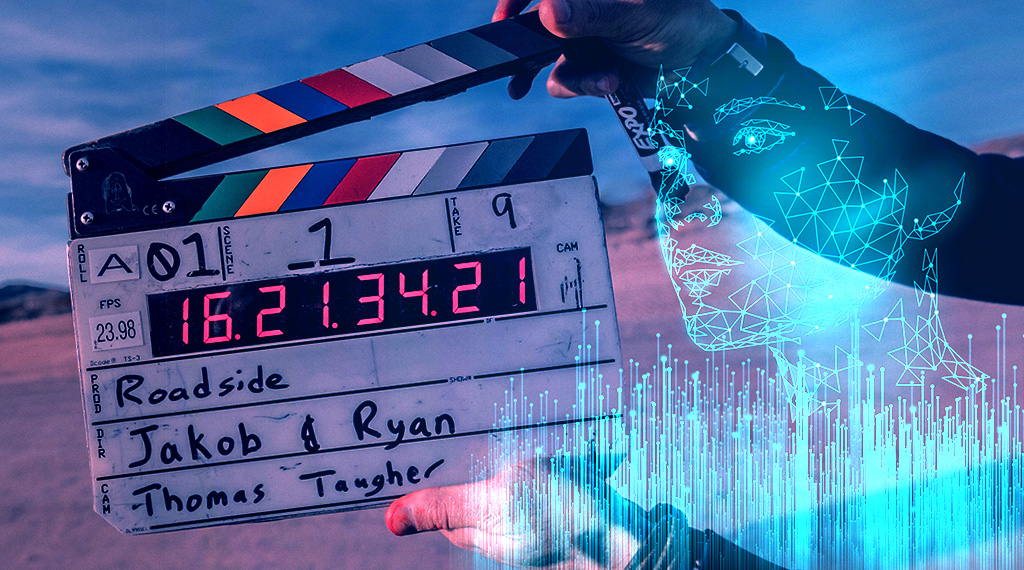

In this forum, Alberto Aduriz Sarabia, lawyer in Bardají & Honrado, aborda los principales aspectos legales a tener en cuenta a la hora de integrar en producciones audiovisuales elementos procedentes de herramientas de IA generativa.
El uso de herramientas de artificial intelligence (IA) en la creación de contenido visual ha generado un intenso debate en el ámbito cultural y legal. A pesar de la resistencia de algunos sectores, la IA ya es una realidad innegable. Empresas tecnológicas como OpenAI (ChatGPT), Google, Microsoft and, more recently, DeepSeek se han integrado en diversos procesos cotidianos, abriendo un abanico de nuevas posibilidades.
El sector audiovisual no ha sido ajeno a esto. Se suelen utilizar herramientas de inteligencia artificial en los sistemas CGI (Computer-Generated Imagery) y VFX para la realización de efectos especiales, aunque cada vez se están integrando en más aspectos de una audiovisual production.
Estas herramientas permiten optimizar costes y tiempos de producción, además de ofrecer posibilidades creativas antes impensables. No obstante, hay determinadas circunstancias que deben ser tomadas muy en cuenta antes llevar a cabo su uso en una producción para garantizar la originality and the intellectual property rights resultantes de la obra.
Aspectos legales a tener en cuenta para utilizar una herramienta de inteligencia artificial en una producción audiovisual
La implementación de herramientas de IA en la producción audiovisual requiere evaluar diversos factores para garantizar la cadena de derechos y la propiedad intelectual de la obra audiovisual en su conjunto, para así poder explotarla sin ningún riesgo legal.
Es fundamental que las productoras comprendan las implicaciones legales y técnicas antes de incorporar dichas herramientas IA en sus proyectos. Lo más importante:
1. Derechos de propiedad intelectual en materiales previos (Inputs)
-
- Se debe contar con la licencia correspondiente o asegurarse de que los inputs utilizados en la herramienta IA (por ejemplo, imágenes previas) estén libres de derechos de autor.
- Si los inputs incluyen fotografías personales o de terceros, se debe contar con la autorización expresa de los titulares para su transformación y uso, lo cual debe estar debidamente documentado.
2. Derechos sobre los materiales generados (outputs)
-
- La herramienta IA utilizada debe garantizar la cesión de todos los derechos sobre el material (output) generado, ni se reserve un derecho para entrenar a dicha herramienta con estos outputs.
- No debe reservarse el derecho de uso ni emplear los inputs proporcionados (como imágenes, descripciones o cualquier otro dato) para otros fines, así como ninguna.
Regulación de las licencias para IA generativa
Recientemente, el Ministerio de Cultura de España ha tomado la decisión de retirar la tramitación del Real Decreto de licencias para IA generativa. Esta medida surge tras la consulta pública realizada el pasado diciembre tras avalancha de críticas recibidas por parte del sector cultural.
Según el comunicado oficial, se iniciará un proceso de diálogo with the actors implicados con el aim de abordar los desafíos que plantea la IA generativa y proteger los derechos de los autores.
La oposición del sector cultural a la regulación de las herramientas de IA
The IA plantea desafíos legales aún sin resolver, especialmente en cuanto a la utilización de obras protegidas por derechos de autor in it entrenamiento de dichas herramientas. En este contexto, diversas organizaciones culturales han manifestado su preocupación por una posible regulación que permitiese a las grandes corporaciones tecnológicas subsanase de manera retroactiva la utilización de obras protegidas por derechos de autor sin la debida autorización y compensación a los legítimos titulares de los derechos.
He futuro de la IA y la protección de los rights de autor no son conceptos excluyentes, sino dos fuerzas que, bien armonizadas, pueden impulsar un desarrollo tecnológico ético.
El debate sobre la artificial intelligence and the derechos de autor sigue abierto y requiere una regulación clara y equitativa. Es fundamental que las herramientas de IA respeten los derechos de los autores y, por tanto, que las obras con las que se alimenten o entrenen dichas herramientas requieran la debida autorización de su autor.
He poder legislativo tiene la difícil tarea de ponderar entre el impulso a la IA y los derechos de autor, lo cual requiere necesariamente un dialogo con todos los actores implicados. El futuro de la IA y la protección de los derechos de autor no son conceptos excluyentes, sino dos fuerzas que, bien armonizadas, pueden impulsar un desarrollo tecnológico ético que podrá ampliar la creatividad humana sin desincentivarla. El camino no será fácil, pero el diálogo y la colaboración serán la clave para construir un marco legal que beneficie a todos.
Alberto Aduriz Sarabia
Lawyer in Bardají&Honrado
Did you like this article?
Subscribe to our NEWSLETTER and you won't miss anything.
Related articles
 Ebantic and Amplify will collaborate on the application of Artificial Intelligence in audiovisual
 DeAPlaneta: new horizons in production, the AVOD universe and artificial intelligence
 The Television Academy addresses the main audiovisual challenges in the face of Artificial Intelligence
 CRTVG collaborates with MEDRETIA in the development of Artificial Intelligence applied to audiovisuals
 The O Couto stadium in Ourense installs an automatic production system based on artificial intelligence and 5G
 Artificial Intelligence takes on greater importance every day in the audiovisual sector
 Estructure presents its new solutions for television production based on artificial intelligence
 TVU Networks advances artificial intelligence, 4K 60fps and HDR streaming, and remote production
 Sony takes advantage of artificial intelligence to facilitate video production
 Tedial presents at IBC the advantages of artificial intelligence applied to the production of live sports
 Tedial applies artificial intelligence to sports production with Smartlive
 Avid brings the cloud, artificial intelligence and collaborative work to BIT Audiovisual
 VSN brings the best of artificial intelligence to media, business and production process management
 With Smartlive, Tedial makes the most of artificial intelligence and MAM in sports production environments