





This is how 'The Substance' was graded, the unexpected gore cinematic phenomenon with Demi Moore
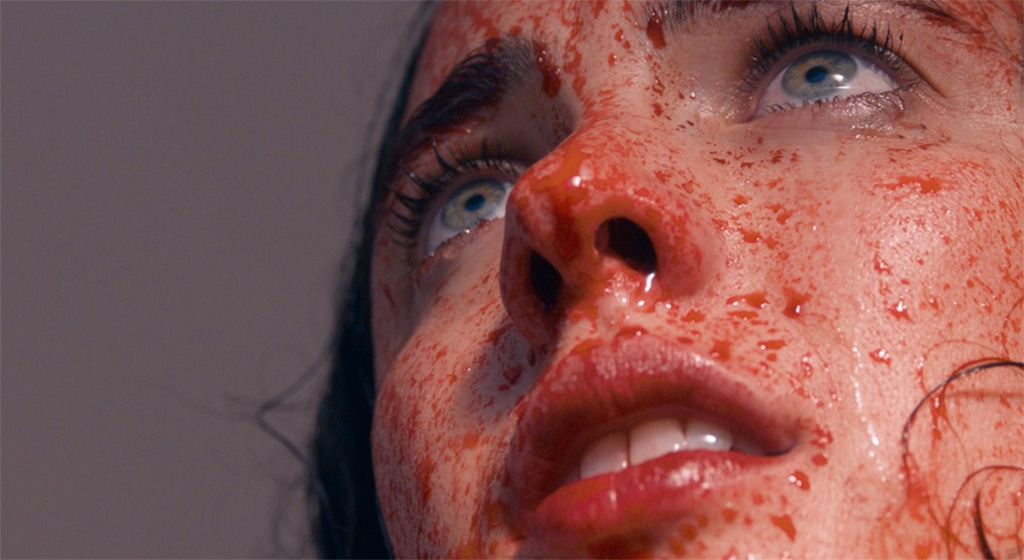
Fabien Pascal, colorista principal de Lux Studio, desplegó una amplia selección de herramientas de DaVinci Resolve (Blackmagic Design) para realizar la corrección de color de una de las películas más comentadas de 2024: ‘La sustancia’.
Dirigida por Coralie Fargeat con dirección de fotografía Benjamin Kračun (BSC), La sustancia cuenta la historia de Elizabeth Sparkle (Demi Moore / Margaret Qualley), una actriz en decadencia que logra acceso a un producto milagroso que le permite crear un alter ego que es la versión “mejorada “ de sí misma. El resultado, como no podría ser de otra forma, no es el esperado a medio plazo, lo que resulta en una puesta en escena de gore, body horror y humor negro que presentó varios desafíos para la empresa de corrección de color Lux Studios.
Como explica Pascal, La sustancia requirió de la colaboración de todas las partes desde las fases iniciales de la producción: “Desde el principio trabajamos estrechamente con Coralie y Benjamin para definir la estética de la película, utilizando el guion y un tablero de inspiración como referencias creativas iniciales. Las primeras pruebas con las cámaras nos brindaron la posibilidad de confirmar la elección de equipos y desarrollar LUT personalizadas, lo cual nos dio un punto de partida para colaborar en los aspectos creativos”.
Con el propósito de concretar esta visión artística, Lux Studios creó un proceso de trabajo de dos etapas para el etalonaje en DaVinci Resolve Studio. En la primera etapa, recurrió a un enfoque fotoquímico logarítmico en un espacio de trabajo P3, con el fin de evocar la estética de las películas de principios de la década de 1980. Luego, a medida que la trama va cambiando, se evoluciona a una segunda etapa en la que el etalonaje se realiza con un espacio cromático Rec. 709 para conseguir una apariencia más digital y nítida.
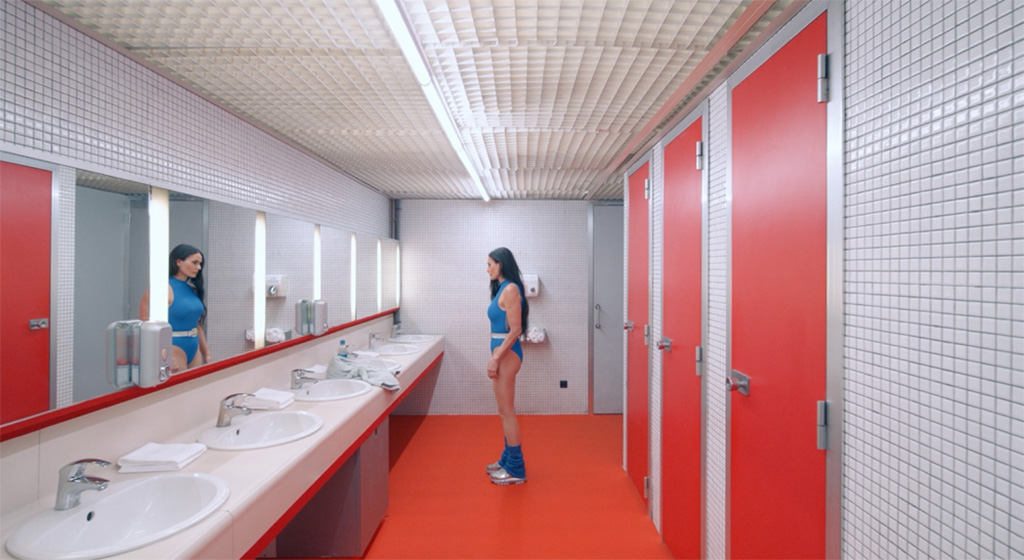
Una película con una evolución visual constante
La narrativa visual evoluciona deliberadamente a lo largo de la película, y el color, como no podría ser de otra forma, desempeña un papel fundamental: “Diseñamos la paleta de colores de manera que fuese cambiando a medida que la historia va evolucionando, pasando desde rojos viscerales hasta amarillos y verdes fosforescentes. Si bien algunas escenas tienen un aire fotoquímico nostálgico que recuerda a la década de 1980, otras adoptan una estética digital más destacada para incrementar la atmósfera inquietante que experimentan los espectadores”.
Uno los principales desafíos técnicos de la película fue la secuencia de la escena “Pump it up”, que incorpora tanto cambios dinámicos de iluminación como movimientos rápidos de cámara. Sin embargo, la escena de la transformación del monstruo “Lis-Sue” resultó incluso más exigente, según recuerda Pascal: “Trabajamos mano a mano con los equipos de efectos visuales y especiales para mantener el realismo en condiciones de iluminación complejas. Las herramientas de etalonaje personalizadas nos ayudaron a perfeccionar la textura natural del monstruo y a conservar detalles sin que pareciera demasiado artificial”.
Los efectos especiales a lo largo de todas las escenas de terror corporal también requirieron una labor adicional en el intermedio digital a fin de conseguir la apariencia deseada. “Desarrollamos una estructura nodal para acentuar la apariencia húmeda y natural de la piel y los tonos de la carne viva. Los pequeños ajustes de contraste nos permitieron garantizar la complejidad de las texturas, incluso ante condiciones de iluminación extremas”, explica Pascal.
Finalmente, con el propósito de garantizar una estética uniforme en diferentes ambientes de visualización, Lux Studios entregó una amplia variedad de archivos: “Después de finalizar el etalonaje inicial a 48 nits en SDR, dedicamos otra semana a conseguir archivos Dolby Vision de alto rango dinámico. Nuestra dinámica de trabajo nos permitió adaptar fácilmente los ajustes cromáticos a diferentes formatos de visualización con una transformación personalizada, conservando la uniformidad en las imágenes HDR y la copia maestra en SDR”.
“La sustancia presentó un desafío creativo y técnico en todas las etapas. Desde la preproducción hasta la entrega final, DaVinci Resolve Studio nos brindó la flexibilidad necesaria para ejecutar nuestra visión y crear una experiencia sorprendente e inmersiva”, concluye Pascal.
https://youtu.be/LNlrGhBpYjc
Did you like this article?
Subscribe to our NEWSLETTER and you won't miss anything.
Related articles
 Prime Video brings the latest Wattpad phenomenon to the screen
 How ‘The Substance’, the unexpected gore phenomenon starring Demi Moore, got its color grading
 El fenómeno japonés ‘Godzilla Minus One’, etalonado con DaVinci Resolve Studio
 Pocket Cinema Camera 6K by Blackmagic, in the 2nd season of the HBO Max phenomenon 'The White Lotus'
 Conociendo el fenómeno de los esports: ¿un sector estratégico para España?
 The Tik Tok phenomenon comes to Samsung televisions
 El fenómeno de los smartphones con cámaras 4K, en la 4K-HDR Summit
 Paramount graded 'Rocketman' with DaVinci Resolve Studio
 Fundación Telefónica programa un ciclo sobre el fenómeno de los YouTubers
 ‘Perdiendo el norte’ se convierte en el fenómeno de la taquilla en 2015
 El fenómeno ‘Gandía Shore’ arrasa en segunda pantalla y social tv
‘El Hobbit: Un viaje inesperado’ llega a España el 14 de diciembre con sonido Dolby Atmos en castellano
El fenómeno ‘Gandía Shore’ arrasa en segunda pantalla y social tv
‘El Hobbit: Un viaje inesperado’ llega a España el 14 de diciembre con sonido Dolby Atmos en castellano
 Ovideo's spot for Gol TV, with Iniesta and the bear, the Christmas phenomenon
 La TweetPeli se convierte en un fenómeno social