





Sistemas de estabilización de cámaras: sin vuelta atrás en el broadcast
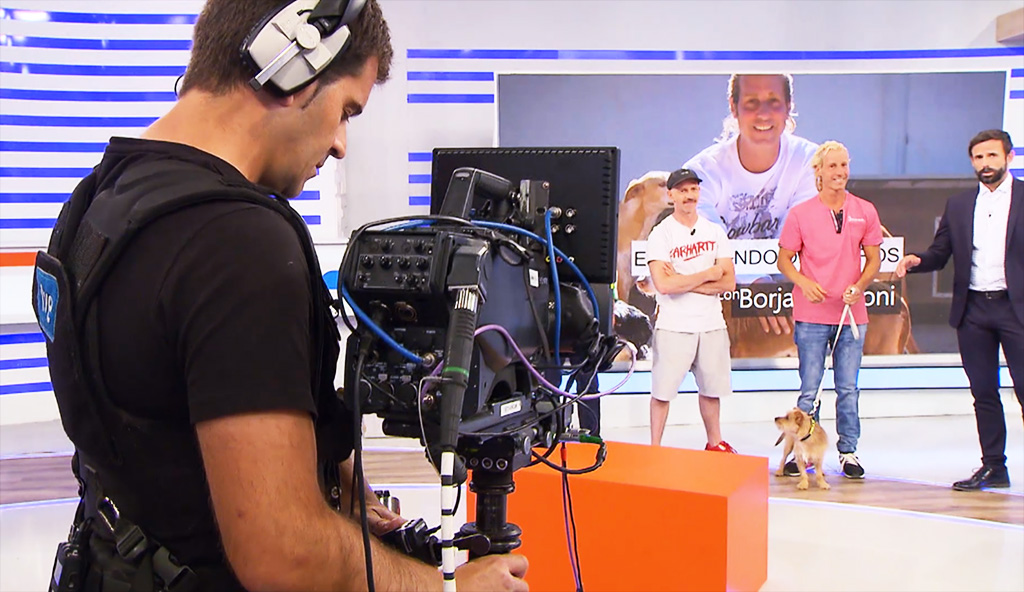

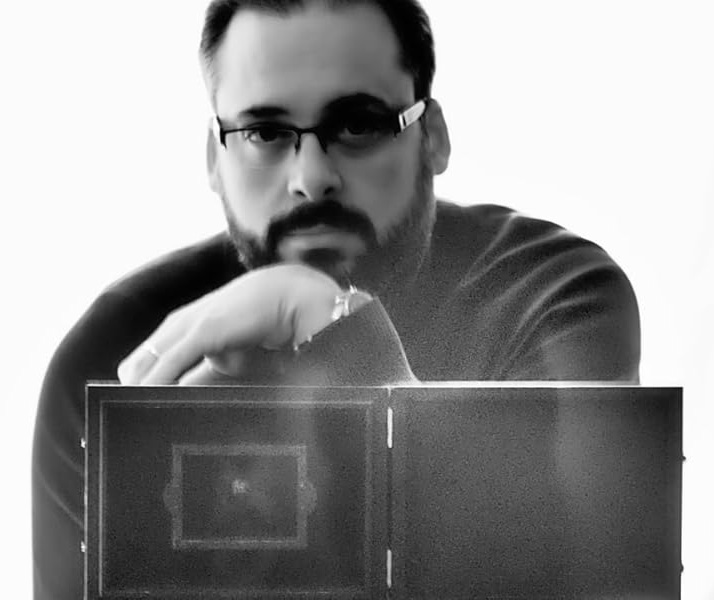
Manuel Balseiro, technical trainer y operador de cámara especializado en cabeza caliente y PTZ en RTVE, analiza la evolución de los sistemas de estabilización de cámaras y su creciente protagonismo en entornos broadcast; todo, en un contexto de convergencia de soluciones técnicas entre cine y televisión.
The estabilización es parte intrínseca de nuestra experiencia visual. Salvo en contextos muy concretos de una intensa actividad física en un entorno irregular, las personas afrontamos la realidad desde una perspectiva maleable. No nos enfrentamos a la realidad desde la irregularidad, sino desde una percepción adaptable y que, progresivamente, ha ido trasladándose a nuestra educación visual.
La evolución del lenguaje visual, acompañada de la democratización del acceso a la grabación audiovisual de calidad a través de los teléfonos inteligentes, ha llevado la estabilización por defecto a la creación de contenidos. Dejando de lado los territorios cinematográficos, las redes sociales han traído consigo millones de vídeos creados por los usuarios aprovechando las soluciones de estabilización de hardware y software de sus dispositivos.
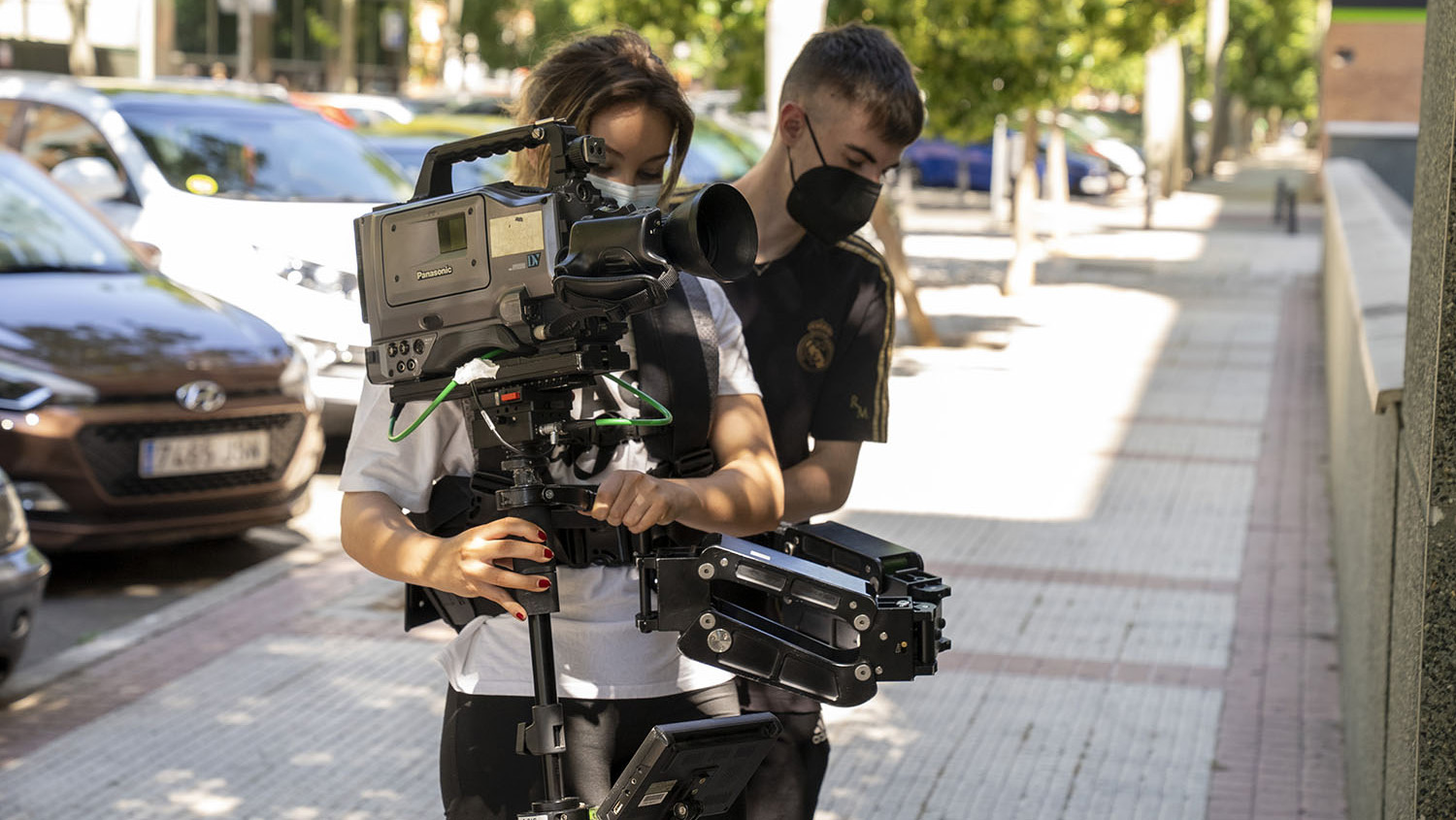
 Progresivamente, el desenfoque de movimiento desaparece. Se naturaliza que una persona pueda grabarse mientras corre manteniendo en foco toda la escena; que, al caminar por un bosque, poco importe un terreno irregular. Es más: se demanda. La inmensa mayoría de creadores de contenidos aprovecha estas herramientas y las complementa incluso con sistemas gimbal de bajo presupuesto. Y, mientras que el mundo del cine ha naturalizado la utilización de estas herramientas desde que fueron progresivamente introducidas en los años 70 en filmes como Rocky, el mundo broadcast recorre un camino paralelo que, inevitablemente, acabará atendiendo a las preferencias de los espectadores.
¿Cómo hemos llegado a este punto? ¿Qué tipos de sistemas de estabilización de cámaras tiene a su disposición la industria broadcast? ¿Qué diferencias existen con los despliegues propios de la industria cinematográfica? ¿En qué momento se prescindirá de las cámaras al hombro y los trípodes en los formatos de actualidad para abrazar la estabilización en todas sus dimensiones? Manuel Balseiro, especialista en la materia y formador, arroja luz sobre una herramienta imprescindible en la creación audiovisual.
Los orígenes de los sistemas de estabilización
Los sistemas de estabilización de cámaras comenzaron a dar sus primeros pasos hace cincuenta años de la mano del inventor e ingeniero español Juan de la Cierva y Hoces, quien atesoró más de 50 patentes y colaboró activamente en las primeras emisiones de RTVE. A mediados de los años 60, trabajando para su propia compañía en Estados Unidos Dynasciences Corporation, creó el Dynalens, un estabilizador óptico que le permitió alzar en el año 1970 el Óscar al Mérito Técnico por la mejor contribución técnica a la industria cinematográfica.
Esta solución, empleada por primera vez en la película bélica Tora! Tora! Tora! de 1970, sirvió como base para otros desarrollos técnicos como el impulsado por Garrett Brown, conocido por haber sido el creador de la Steadicam, una solución que cambió el lenguaje cinematográfico y abrió la puerta a nuevas formas de expresión a toda una generación de creadores. La investigación continuó bajo este objetivo con la popularización de los giróscopos en el comienzo del nuevo milenio.
En España, al margen de decenas de aventuras cinematográficas, la Steadicam comenzó a desplegarse con asiduidad en la ficción televisiva en torno al año 2000 por empresas como Steadicam Factory. No obstante, en ocasiones estas soluciones “analógicas”, que no dejan de funcionar mediante el equilibrio de masas, no eran suficiente. Fue entonces cuando se empezaron a combinar estas soluciones con una parte de estabilización electrónica, contrarrestando el movimiento indeseado, con herramientas como Perfect Horizon, definida por Balseiro como una cabeza de trípode que estabilizaba los ejes indeseados basándose en el mismo principio que los giróscopos.
Estabilización pasiva, activa e híbrida
La evolución técnica de los sistemas de estabilización de cámara ha continuado hasta nuestros días, trayendo consigo una amplia variedad de soluciones diferenciadas por su naturaleza analógica o electrónica. En su investigación sobre sistemas de estabilización, Balseiro decidió establecer una clasificación que permite categorizar medio siglo de innovaciones industriales en tres categorías.
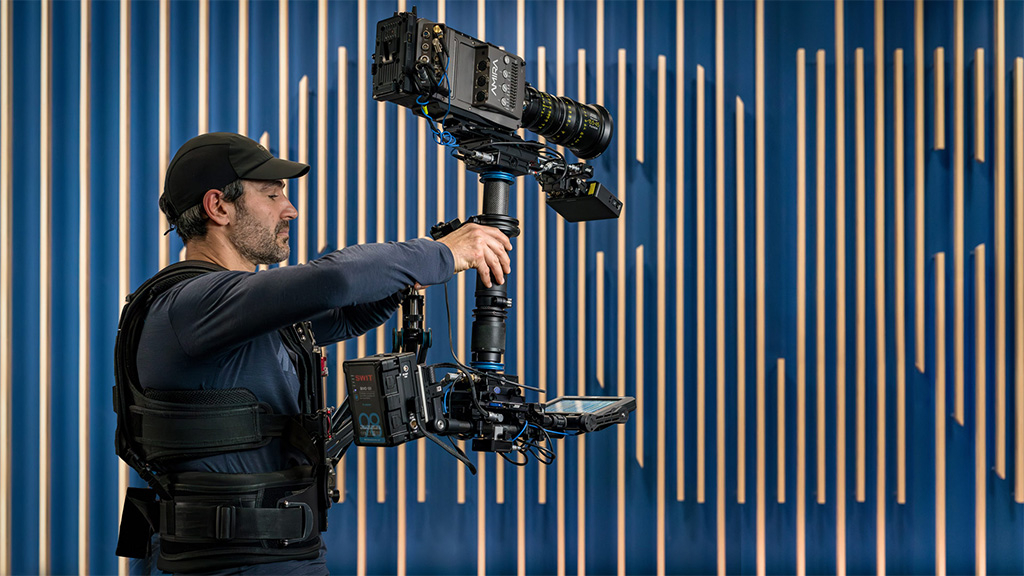
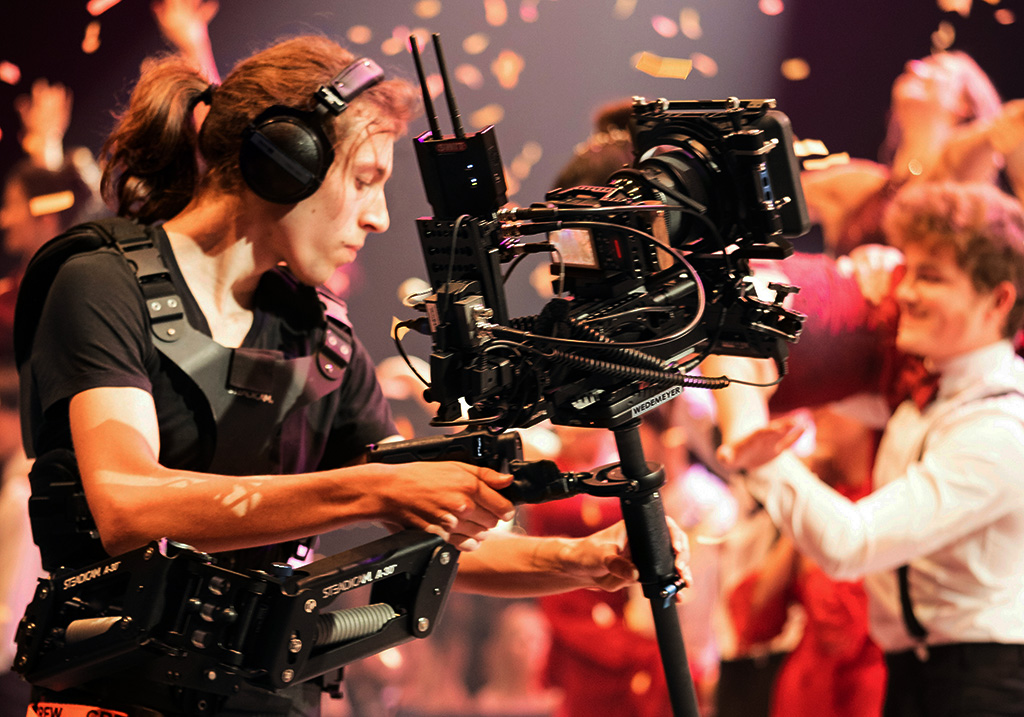
La estabilización pasiva es aquella que no requiere elementos electrónicos: Ergorig, Easyrig o las propias variaciones de la steadicam. Muelles y contrapesos favorecen el equilibrio de masas, permitiendo que la cámara absorba el movimiento del operador. Por otro lado, la estabilización activa precisa de alimentación eléctrica y abarca herramientas como giróscopos, sistemas de sensores o codificadores de movimiento, que parten de una posición “cero” de la cámara que es corregida durante el proceso de movimiento.
Por último, Balseiro defiende la modalidad híbrida como “los soportes más desarrollados y más efectivos”, uniendo los sistemas mecánicos originales con soluciones técnicas para lograr una mayor efectividad. En este ámbito, el profesional de RTVE identifica soluciones como ARRI Trinity, que abre las puertas a planos completamente novedosos volcando la cámara, cambiando su altura o poniéndolo en diferentes modos.
La estandarización de los sistemas híbridos en el broadcast
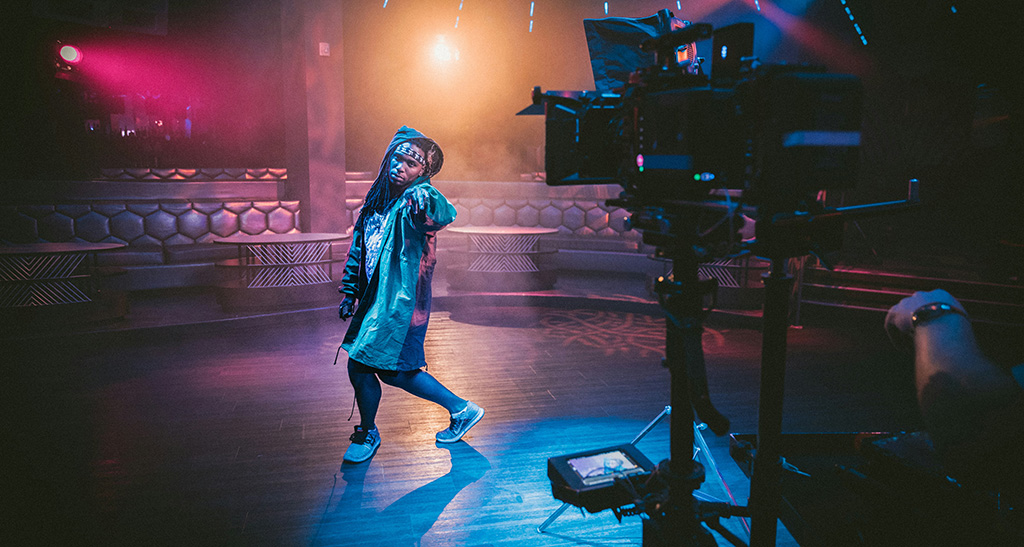
Consolidados en los ámbitos de ficción televisiva y cinematográfica, los sistemas de estabilización de cámara híbridos ocupan progresivamente un papel más importante en todo tipo de producciones televisivas. Desde grandes eventos de entretenimiento como Eurovisión hasta grandes eventos deportivos como los Juegos Olímpicos o encuentros de fútbol, la pequeña pantalla naturaliza el despliegue en estos contextos de cabezas giroestabilizadas, cablecams, vehículos con brazos o grúas con cabezas estabilizadas.
“La gente quiere ver productos de mucha calidad. Y, aunque como narrador defiendas un tipo de narrativa concreto with a cámara no estabilizada, el público quiere una cámara estable”.
Para Balseiro, este desarrollo, impulsado en gran medida por un abaratamiento de los costes, no deja de ser una respuesta directa a los requisitos de unos espectadores cada vez más exigentes en la factura visual de los contenidos. “En última instancia, la gente quiere ver productos de mucha calidad. Y, aunque como narrador defiendas un tipo de narrativa concreto con una cámara no estabilizada, el público quiere una cámara estable”, explica, consciente de que el mundo de la ficción y la publicidad ha hecho propios los códigos de estabilización de la imagen.
Ante este contexto, la producción televisiva “se está viendo influenciada enormemente”. En palabras de Balseiro: “Antes era difícil ver una cabeza estabilizada en una producción broadcast, y ahora no creo que no haya publicidad o una promoción interna que no cuente con una grúa telescópica con una cabeza estabilizada. No se conciben productos televisivos que no sean de buena calidad”. Este fenómeno se extiende incluso a las cámaras PTZ, que ya incluyen estabilización dentro de sus ópticas para que su desplazamiento robotizado en los estudios encaje en un esquema de producción fluido.
La estabilización desde la cámara y el software
Al margen de los sistemas externos de estabilización para cámaras, la industria ofrece progresivamente sistemas internos más complejos de estabilización. Para Balseiro, estas herramientas no se extenderán en las gamas más altas de cinematografía por una cuestión de costes. No obstante, la industria trabaja activamente para ofrecer soluciones intermedias para captar la atención de unos creadores audiovisuales que, en muchas ocasiones, buscan la creatividad en la innovación tecnológica.
“Antes era difícil ver una cabeza estabilizada en una producción broadcast, y ahora no creo que no haya publicidad o una promoción interna que no cuente con una grúa telescópica con una cabeza estabilizada”.
“Hay muchos fabricantes que están desarrollando nuevas herramientas con el objetivo de trasladar el mensaje de que un soporte está cambiando la forma de contar la narrativa. Pero creo que lo que tenemos en nuestra mano todavía no está explotado”, comenta Balseiro, convencido de que la industria necesita “afilar” más la narración audiovisual que la técnica. Tal y como remarca: “Primero debes saber qué quieres contar. A lo mejor con una cámara en un trípode haces una película espectacular y no necesitas tener tres grúas telescópicas o un estabilizador para vehículos”.
La convergencia de los sistemas de estabilización televisivos y cinematográficos
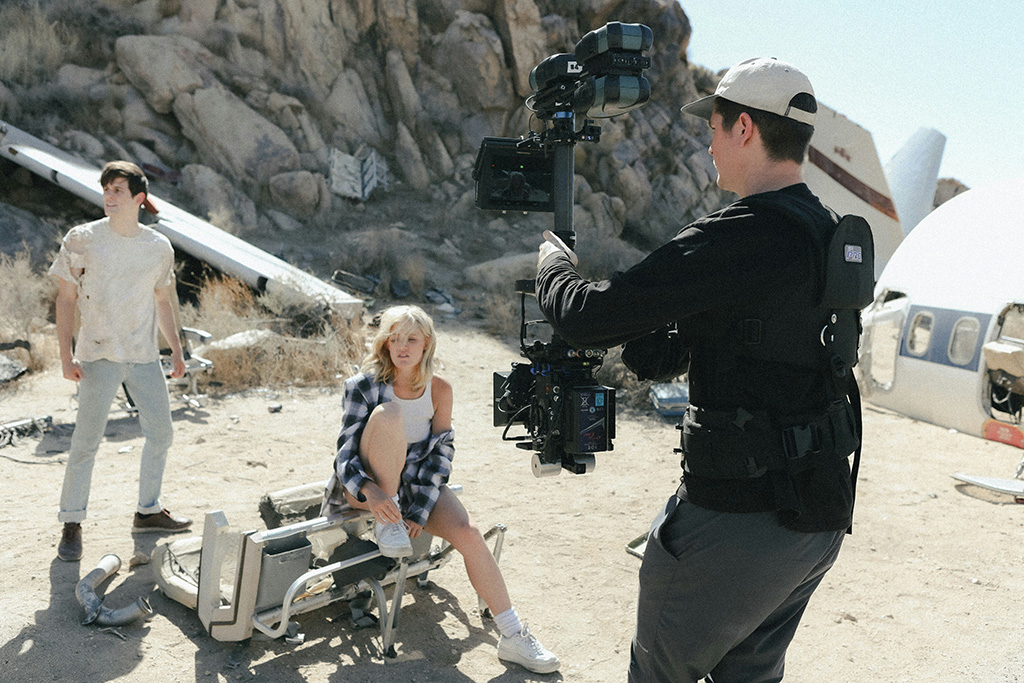
La influencia creciente de los sistemas de estabilización está llevando, explica Balseiro, a una estandarización of the catálogos de sistemas de estabilización de cámaras anteriormente dedicadas exclusivamente al cine. El proceso de hibridación de ambos mundos, más que evidenciado con la introducción de ópticas cinematográficas en producciones deportivas, el uso de flujos de cine para la creación de ficciones televisivas o la incorporación del director de fotografía en formatos de entretenimiento, refuerza esta realidad, creando lo que el camarógrafo de RTVE define como un completely rolled over: “Dentro de la tele ya hacemos producciones cinematográficas. Haces una promoción de cualquier canal, y quieres una óptica y una cámara de calidad cine, con un soporte estabilizado”
“No es lo mismo contar con una imagen de present, que controlar esa imagen y querer dar la noticia. Cuando produces la imagen, debes tener unos parámetros mínimos de calidad”.
Si bien desde las radiotelevisiones identifican las oportunidades en el despliegue de la técnica cinematográfica, dos realidades opuestas coexisten en el proceso de consolidación de estas herramientas. Balseiro considera que las radiotelevisiones, ante la presión de otras alternativas de consumo audiovisual, deben buscar la mayor calidad de imagen en cada formato, ya sea “un programa de Mañaneros, de actualidad o de informativos”, y en ello “está incluida la estabilización de la cámara”. Sin embargo, la calidad de la imagen está quedando frecuentemente sesgada por la actualidad informativa.
Ante esta realidad, Balseiro se muestra autocrítico. Las televisiones, en el proceso de luchar contra la inmediatez de las redes sociales, han sacrificado la pulcritud audiovisual que antes las definía. “Muchas veces tenemos parte de culpa en que vale cualquier imagen”, reconoce. Ante ello, aboga por llegar a un punto medio. La televisión necesita calidad. Y la estabilización de imágenes es una vía que no debe ser subestimada: “No es lo mismo contar con una imagen de actualidad, que controlar esa imagen y querer dar la noticia. Cuando produces la imagen, debes tener unos parámetros mínimos de calidad”.
An article by Sergio Julián Gómez
Did you like this article?
Subscribe to our NEWSLETTER and you won't miss anything.
Related articles
 BST Devices llevará sus sistemas robóticos para cámaras a IBC 2023 por primera vez
 Countdown to Broadcast Innovation Days, Broadcast Solutions' great event
 Ross Video Buys Spidercam, Standard Among Cable Television Camera Systems
 Los premios Billboard Women in Music dan la vuelta al mundo con las URSA Broadcast G2 de Blackmagic
 JVC libera las APIs de control de sus cámaras ENG/IP para desarrolladores de sistemas
 La UER insta a la industria a mejorar la ciberseguridad en sus sistemas broadcast
 El Senado español instala sistemas de control de cámaras de Shotoku
 Evertz y I-Movix inician una colaboración para reforzar los sistemas de cámaras súper-lentas de nueva generación
 Aicox, en BIT Broadcast 2014, con sus sistemas para broadcast, satélite y radiodifusión
 Pere Vila: “There is no turning back, we will all end up in broadband and connected on the new platforms”
 Golf Channel instala los sistemas de control de cámaras de Telemetrics
 JVC centrará su presencia en IBC en cámaras profesionales y sistemas de monitorado
 Ross Video Acquires FX-Motion Robotic Camera Systems
Sistemas de broadcast, satélite y transmisión con Aicox
Ross Video Acquires FX-Motion Robotic Camera Systems
Sistemas de broadcast, satélite y transmisión con Aicox