





Kansai TV deploys Blackmagic's replay system in real time
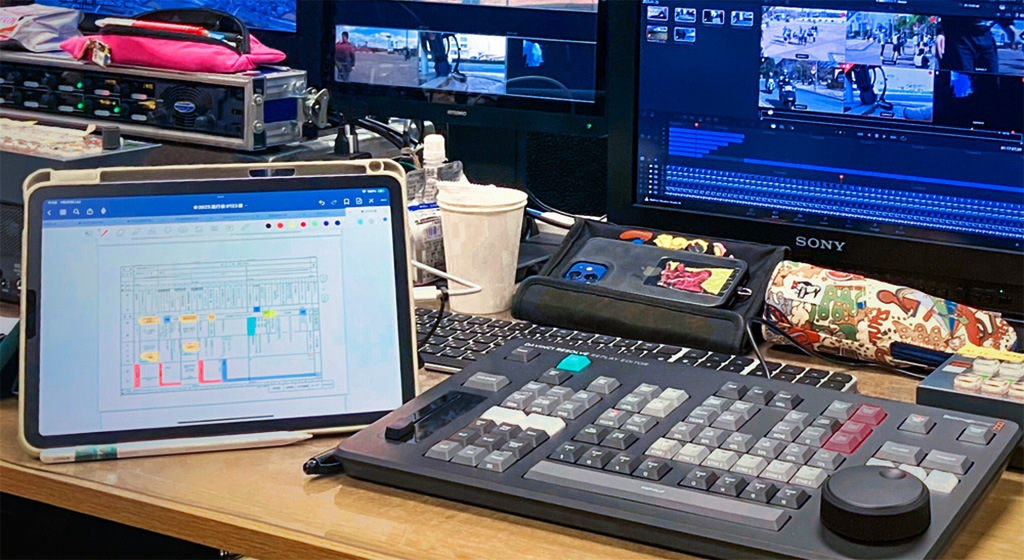
The DaVinci Resolve Replay Editor keyboard Blackmagic Design facilitated the creation of slow motion sequences for coverage of the 44th Osaka International Women's Marathon, broadcast by Kansai TV.
The Osaka International Women's Marathon was broadcast live throughout Japan on television networks Kansai TV y Fuji TV. Since it was founded in 1982, Kansai TV assumed responsibility for the coverage of this annual event. Throughout the broadcast, which lasted approximately three hours, a multitude of replays were made, including slow motion sequences optimized by artificial intelligence. DaVinci Resolve Studio.
During the event, six recorders were used HyperDeck Studio 4K Pro in order to transmit images from six cameras to a network storage device Blackmagic Cloud Store 80TB. The material was then transferred to DaVinci Resolve Studio, where the required segments for repeats were selected. The system was put into operation on a computer Mac Studio (M2 Ultra), with a capture and playback device UltraStudio Monitor 3G which converted the signal received through the Thunderbolt connection to transmit it to an SDI monitor.
Soichiro Hoashi, a member of Kansai TV's technology promotion department, highlights among the system's advantages its ease of deployment: "It was easy to set up the Blackmagic Replay system; we just added a Mac Studio computer and we were ready to go. We evaluated it internally and, after presenting it to our sports broadcasting director, who was amazed, we chose to use it at this event." This year, the system was deployed on a test basis at the hydration stations of the race: “The cameras that were there did not have the capacity to record at high frequencies, so we resorted to slow motion replays controlled by the system's artificial intelligence.”
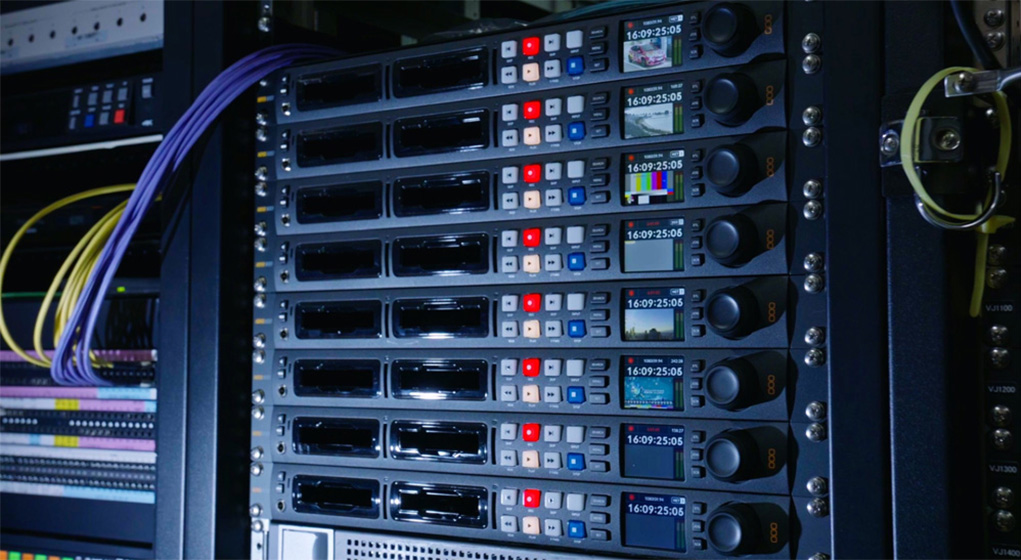
Making the most of Blackmagic's replay system
The deployment of Blackmagic Replay was overseen by Kentaro Shirane y Hiroshi Kamachi, of Kansai Totsu. Kamachi, directly responsible for the solution at Kansai TV, highlighted the advantages of DaVinci Resolve Replay Editor keyboard, which "provides exceptional scrolling ability, making it easy to search without noticeable delays and makes it extremely intuitive. The option to search and add material to the list in simultaneous viewing mode while doing replays is also an important feature. Being able to check all sources made it easy to find the ideal shot."
"One of the main benefits we saw was the ability to obtain super slow motion images from footage recorded at normal speed, using artificial intelligence correction. The change happens immediately without the need to restart, which is a huge benefit. With other systems, changing the speed of slow motion requires restarting them, which makes it difficult to make changes when the signal is on air. For example, if images from two cameras must be displayed at different speeds, such as 4x and 6x, this would require two separate systems. With Blackmagic Replay, it's easy to adjust the speed and get smooth, high-quality slow motion shots, especially those with little movement,” he adds.
On the other hand, Shunsuke Shibata (Kansai TV), producer of the Marathon, highlights among the system's strengths its quality/price ratio: "The replay systems we usually use are expensive, so depending on the production, the budget may not allow us to use a system that allows super slow motion replays. In addition, this system generally limits the number of cameras we can use. Thanks to the Blackmagic Replay system, it has been very beneficial to perform slow motion replays in a fluid and artificial intelligence-optimized way, without requiring significant expense."
Did you like this article?
Subscribe to our NEWSLETTER and you won't miss anything.
Related articles
 Calvin implements the Blackmagic Replay system
 Clear Life Media puts Blackmagic's new replay system to the test
 Disguise deploys real-time augmented reality at RTHK during Paris 2024
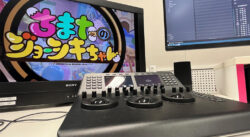 Kansai TV: post-production in the cloud powered by Blackmagic
 Real-time cloud synchronization for broadcast environments with Blackmagic Cloud Live Sync
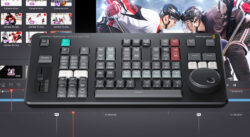 Blackmagic, going for the replay market with DaVinci Resolve Replay
 Kansai TV chooses Blackmagic's URSA Mini Pro 12K for filming 'moments'
 Kansai TV shoots the series 'Blue Bithday' with Blackmagic Design cameras
 Blackmagic's new Cintel G3 HDR+ scanner digitizes UHD HDR images in real time
 Newtek details the 3Play 3P2, its new 4K system for sports replays
 Broadcast Pix will debut its new real-time 3D graphics system fX3D at NAB
 The Premier League installs ChyronHego's Tracab real-time tracking system
 New real-time automatic subtitling system for television programs
 Telegenic uses GVG's K2 Dyno system for 3D replays