





New real-time automatic subtitling system for television programs
La Fundación Orange ha desarrollado, junto a la Universidad Carlos III de Madrid y el Centro Español de Subtitulado y Autodescripción, un nuevo sistema de sincronización en tiempo real de vídeo, audio y subtítulos en programas de televisión en directo de la red de IPTV.
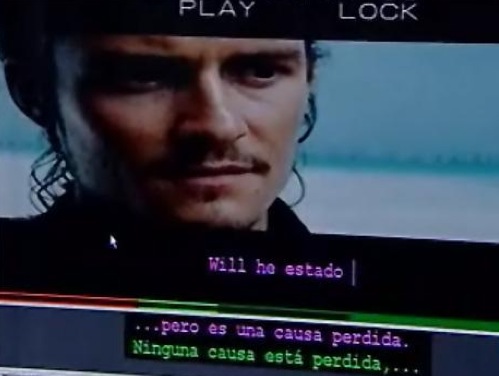 En el marco de su plan estratégico de RSC y dentro de la línea de integración social, Orange Spain, a través de su departamento de R&D, colabora en el proyecto de investigación “Synchronized subtitling in live television. Proof of concept”, de la Carlos III University de Madrid. Este programa, que cuenta también con la colaboración del Centro Español de Subtitulado y Audiodescripción (CESyA), investiga las opciones que ofrece la tecnología DVB y el subtitulado DVB para sincronizar el audio y el vídeo en la televisión y contribuir mediante el acceso al ocio y a los contenidos televisivos a la normalización, a la integración y la vida autónoma de las personas sordas.
El resultado ha sido la creación de una prueba de concepto que proporciona subtitulado automático y sin intervención humana en tiempo real de programas de televisión mediante la tecnología ASR, generando subtítulos a partir del audio de los canales de televisión. El estudio se centra en generar una versión retardada del canal de TV en la que el vídeo, audio y subtítulos lleguen de manera sincronizada al usuario a través de DVB.
El sistema propuesto, que se presentó en el Telecom I+D celebrado del 28 al 30 de septiembre en Santander, requiere de un sistema de transcripción de audio que cuenta con un ligero retraso, por lo que es necesario a su vez retardar la señal original de TDT para que converjan, de manera económica y sencilla, dos conceptos clave: automatización y sincronismo. Al no ser legalmente posible en España retardar la emisión de los programas en directo, los investigadores han propuesto la creación de un canal alternativo en la señal broadband, con lo que es el propio usuario quien decide cambiar de canal y seleccionar la opción subtitulada.
El estudio además llega en un momento clave para el sector audiovisual, pues con la nueva Ley 7/2010, Ley General de la Comunicación Audiovisual, las televisiones públicas deben acogerse a unas cuotas de subtitulado del 90% y las privadas, del 75%. Hasta el momento, los programas que se emiten en diferido son los únicos que se subtitulan, a excepción de los informativos, con lo que estos resultados ofrecen una gran oportunidad para contribuir a la normalización e integración de las personas con problemas auditivos.
El director de RSC de Orange España, Jesús Guijarro, apunta que “la mayor accesibilidad a nuestros servicios de comunicación es una de los ejes principales de la estrategia de responsabilidad social corporativa de Orange España. Desde esta perspectiva, y este sistema de subtitulado es un ejemplo, actuamos para favorecer el acceso a la comunicación de las personas que sufren algún tipo de discapacidad o que son dependientes, contribuyendo activamente a la igualdad de oportunidades y a la inclusión social de los ciudadanos”.
Did you like this article?
Subscribe to our NEWSLETTER and you won't miss anything.
Related articles
 Kansai TV deploys Blackmagic's replay system in real time
 Autodesk Moxion Rooms to offer real-time cloud-camera collaboration in film and television
 Blackmagic's new Cintel G3 HDR+ scanner digitizes UHD HDR images in real time
 Automatic bilingual subtitling: the idea is simple, the solution not so much
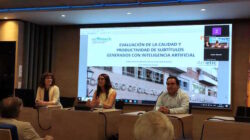 Vicomtech and RTVE present their advances in automatic subtitling using Artificial Intelligence
 New TVU Remote Commentator Position Delivers Broadcast-Quality Real-Time Audio Over the Internet
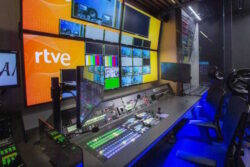 RTVE and Vicomtech perfect automatic subtitling
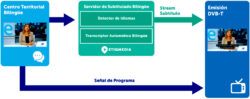 Aicox carries out automatic subtitling of RTVE Centers with bilingual news programs
 Sony delivers new HD equipment to Spanish Television for the production of programs and news
 The Government approves the Royal Decree that develops the new film financing system
 Orad improves the configuration of video walls in real time thanks to the new Layout Configurator
 Broadcast Pix will debut its new real-time 3D graphics system fX3D at NAB
 The Premier League installs ChyronHego's Tracab real-time tracking system
 Softel ScheduleSmart: automatic real-time subtitling