





From the set to the smartphone: HDR is consolidated as a quality standard in mobile video

Rick Dumont, director of business development at Advanced HDR by Technicolor, highlights in its latest analysis the impact of high dynamic range (HDR) technology across the entire video value chain, from content capture to the end user's screen.
In recent years, video consumption on mobile phones has increased considerably, especially among younger generations. With the vast majority of mobile data traffic now consisting of video, ensuring that professionally produced and user-generated content can be delivered at a consistently high level of quality has become an urgent priority for the industry.
Recent consumer studies by Omdia and IDC show that smartphones now account for an increasing share of total video viewing time, as audiences increasingly expect to enjoy “big screen” experiences on portable devices. The programs Living With Digital y Video Insights of Futuresource Consulting similarly document the strong growth of both subscription streaming and advertising-supported streaming, largely accessed through mobile screens. Independent network studies reinforce this trend, estimating that 70% to 80% of global mobile data traffic is already video, and continues to rise steadily.
Taken together, these findings reveal a clear market reality: the premium video, which consumes a lot of bandwidth, is no longer a minority scenario for mobile networks. It is now the main driver of user engagement and data consumption.
At Content Americas 2025, María Rua Aguete, from Omdia, highlighted the magnitude of this change: “There is no doubt about the enormous impact that platforms like TikTok, YouTube and Meta have on media consumption in the United States.” Omdia survey data also confirms that viewing on these platforms remains overwhelmingly mobile.
The overall streaming ecosystem is also evolving. According to Omdia, 365 million video on demand subscriptions (SVOD) will be distributed through operators' television, broadband and mobile packages, representing 20% of the global streaming market. By 2029, bundles are expected to account for 540 million online video subscriptions, or about a quarter of the global total.
Against this backdrop, the media and entertainment technology industry is accelerating its efforts to deliver better video experiences on mobile devices. Increasingly, this involves integrating high dynamic range (HDR) technology, long associated with high-quality television productions, into mobile capture, distribution and display workflows.
HDR goes from the living room to the smartphone
HDR is typically associated with high-end cameras and displays used for large live sports broadcasts and film productions. However, the rapid evolution of smartphone camera sensors and displays has created new opportunities to bring the benefits of HDR directly to mobile users.
“Today's devices can capture images and videos using HDR standards that support up to 10,000 nits of mastering,” he explains. Rick Dumont, director of business development for Advanced HDR by Technicolor, in a recent vidcast interview. "In addition, phone screens are designed with high maximum brightness and contrast to ensure that consumers can see the screen even in bright sunlight. Most HDR-capable TVs do not exceed the 1,000 nits range because they are designed for living room viewing."
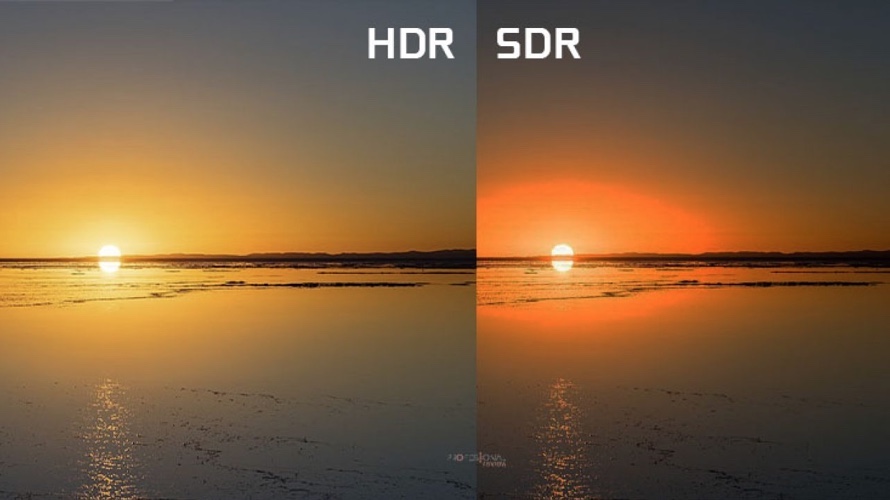
For consumers, these experiences have reinforced a simple expectation: the HDR delivers visibly better video.
“The opportunity for mobile video is based on the recognition that the capabilities of cameras and displays have improved tremendously over the last decade, and that HDR can elevate the overall viewing experience,” says Dumont.
Quality boom
This value proposition is gaining momentum as the line between amateur and professional content creators continues to blur. He global creator ecosystem now exceeds 200 million people, including more than 160 million amateurs and millions of full-time professionals. Short videos remain the preferred format for most social media users, and brands continue to increase their investment in influencer-driven campaigns. The result: the Creators rely more than ever on high-quality videos and visually appealing to differentiate your content and expand your reach.
“As a result, many elements that would traditionally be considered high-end in the world of professional production are now included in compact mobile phones, in particular advanced HDR capabilities,” Dumont emphasizes.
These capabilities are contributing to the rise of user-generated content across platforms. Vloggers are a clear example of this. “Just a few years ago, a vlogger would record content on their phone and then come home to download it all to their laptop and edit it,” Dumont recalls. “For many amateur vloggers, that process has evolved.”
Today's mobile devices allow for advanced editing, color adjustments, and immediate posting or broadcasting, an essential advantage in the fast-paced world of social media. Higher expectations for image quality, combined with HDR source material, are transforming what creators can achieve right on their phones.
Optimum quality from capture to display
From a professional point of view, broadcasters, streaming providers and creators face the same challenge: ensuring that audiences can enjoy content in the highest quality possible, regardless of the receiving device.
“The additional information, or metadata, allows creators to always record at the best capabilities of their device, while allowing playback at the best capabilities of any phone, television, or receiving display,” explains Dumont. “This is becoming mandatory to ensure a high-quality experience for both creators and viewers.”
“Whether it's a professional streaming service or content transmitted from one phone to another, metadata allows content to be transported efficiently,” says Dumont. “Depending on the capabilities of the receiving device, the video is displayed in the best possible quality, without compromising compatibility.”
Another advantage is the lowering of entry barriers for amateur creators. “The system can make shading adjustments automatically,” says Dumont. “Today's phones have it all: capabilities that rival professional cameras and surpass most television screens, in a pocket-sized device.”
HDR throughout the ecosystem
Whether consumers watch video on a phone or a TV, image quality and overall quality of experience (QoE) remain paramount. And advertisers, broadcasters and streaming providers share an interest in ensuring consistency.
“Advertisers always want the best possible quality, regardless of the device,” Dumont emphasizes. "When it comes to branding and logos, colors should not vary between a high-end and a low-end device. During a live sporting event, it would be a shame if quality was lost somewhere between the camera capturing the action and the broadcast reaching the audience."
That perspective reinforces the need to integrate HDR throughout the ecosystem, from the camera lens to the end user's screen. Bandwidth considerations add another layer of complexity. “Consumers can find themselves in resource-constrained environments and still want to enjoy their videos. When connectivity is limited, metadata allows low bit rate transmission without losing quality,” explains Dumont.
Across the ecosystem, and on any device, delivering high-quality video in today's market requires flexibility. Metadata-driven workflows allow you to capture content at the highest quality and then scale it down or scale it for various displays and layouts. The bandwidth savings associated with these techniques will become increasingly important as mobile video traffic continues to accelerate.
Did you like this article?
Subscribe to our NEWSLETTER and you won't miss anything.
Related articles
 Blood Incantation consolidates itself as a revelation band with 'The Stargate', video edited in DaVinci Resolve
 Andalusia consolidates itself as a destination for filming
 Hi human interface is consolidated in the main mobile unit of RTVE
 OBS confirms 5.1.4 as immersive audio standard in the 4K HDR Summit
 The 4K-HDR Summit consolidates itself as the world reference event for UHD
 CTV invests in Phabrix Qx and Sx for its new mobile unit under ST2110 standard
 Trece TV achieves high-quality live connections from any smartphone using LiveU's Go Plan
 Cloudbass launches its first UHD HDR mobile unit under the ST2110 IP standard
 The quality of streaming video, key to customer loyalty in mobile broadband
 Abertis consolidates itself as the main shareholder of Hispasat
 Panorama Audiovisual consolidates itself as the most read media specialized in broadcast
 Errequerre consolidates itself as a professional exchange platform
 The Web M format makes its way as an open and free video standard
 ISE 2010 consolidates itself as a reference in new media