





Quirino Lab proposes a new strategic space for the training of animation producers in Latin America
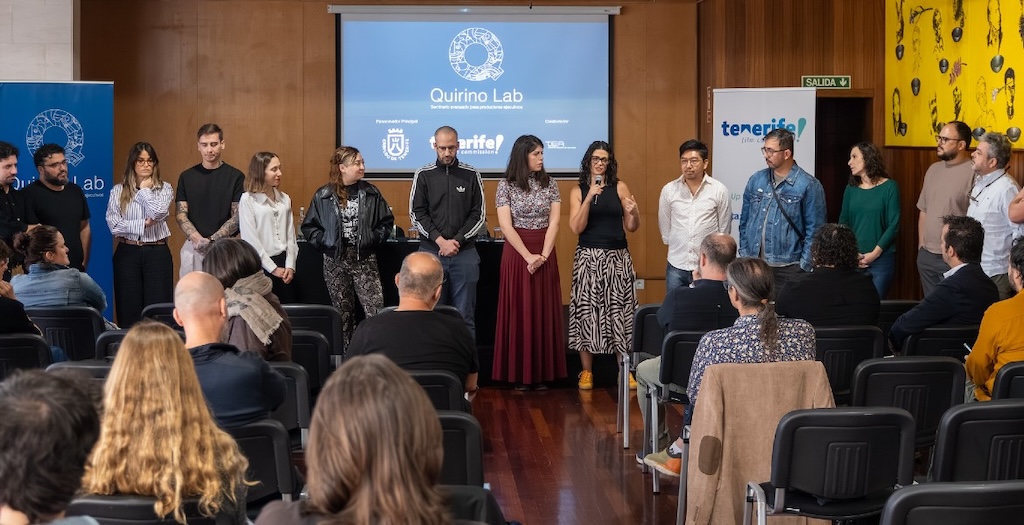
La primera edición de Quirino Lab sienta las bases para la creación de un espacio de formación y reflexión para productores ejecutivos de animación de toda Iberoamérica.
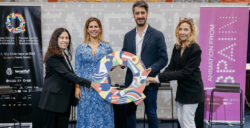
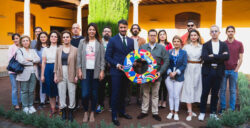
Este programa avanzado de capacitación, que concluyó el pasado 22 de noviembre en Santa Cruz de Tenerife, reunió a diecisiete profesionales provenientes de Brasil, Colombia, Ecuador, España y México. A lo largo de cuatro jornadas, la actividad combinó desarrollo profesional especializado y una mirada estratégica sobre la industria con el doble propósito de potenciar las trayectorias individuales y favorecer un salto cualitativo en la producción animada de la región.
Quirino Lab es una iniciativa de Quirino, junto al Cabildo de Tenerife a través de Turismo de Tenerife y la Tenerife Film Commission que cuenta con la colaboración del TEA (Tenerife Espacio de las Artes). Con la creación de este laboratorio, Quirino da un nuevo paso en la construcción de un ecosistema para la animación iberoamericana. La iniciativa se convirtió también en un foro de reflexión gracias a la incorporación en el programa de Laboratorio de Futuros, un proyecto impulsado por Quirino en colaboración con la Fundación Ortega-Marañón. Lanzada durante la última edición de los Premios Quirino, esta propuesta busca promover la construcción colectiva de un marco de futuro para la animación de la región iberoamericana.
El programa de Quirino Lab se articuló en torno a cinco ejes temáticos conducidos por un equipo de diez mentores y especialistas con amplia trayectoria en la industria internacional. A lo largo de varias sesiones se exploraron las principales tendencias del mercado, metodologías de gestión, estrategias de financiación, desarrollo de propiedad intelectual y tecnologías emergentes, entre otros temas. La agenda se complementó con espacios de debate e intercambio profesional.
La animación de Tenerife tuvo una presencia destacada en la edición inaugural de Quirino Lab gracias a la participación de representantes de cinco empresas del sector. El programa incluyó, además, encuentros de networking con compañías locales y una presentación detallada del ecosistema audiovisual de Canarias, así como de los incentivos fiscales a la producción audiovisual disponibles en el archipiélago.
En la primera cohorte de Quirino Lab participaron representantes de 3Doubles Producciones, Crazy Meerkat, La Mola, Sultana Films, Tinglado Film, Red Animation y Tomavision Studio (España); Mono Animation, Oz Produtora, Studio Z Design e Animação y Subversiva Estudio (Brasil); IntiFX y Matte CG (Ecuador); Mr. Machin y ¡Viva Calavera! (México); y Doinmedia (Colombia).
Todas las personas seleccionadas debían contar con trayectoria profesional sólida y experiencia en la producción de contenidos audiovisuales de animación, además de mantener un compromiso activo con la innovación y el desarrollo de la industria en sus respectivos países.
Pensar el futuro de la animación iberoamericana
Futures Laboratory funcionó como una actividad transversal del programa, integrando las distintas sesiones de trabajo y sintetizando las principales conclusiones del encuentro. Esta dinámica grupal, coordinada por el director cultural de la Fundación Ortega-Marañón Federico Buyolo, se enfocó en el rol de los productores ejecutivos en animación.
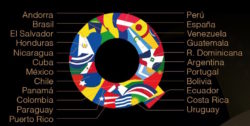
Esta actividad se desarrolló en dos sesiones que aplicaron metodologías colaborativas de análisis prospectivo para anticipar posibles escenarios futuros, a medio y largo plazo, en la animación iberoamericana. La primera se centró en un análisis PESTLE para identificar los factores políticos, económicos, sociales, tecnológicos, legales y ambientales que inciden en la evolución del sector. La segunda, denominada Rueda de Futuros, empleó técnicas visuales para proyectar y estructurar distintos escenarios de futuro para la animación iberoamericana.
Las conclusiones, propuestas y perspectivas compartidas durante Quirino Lab constituyen un insumo fundamental para la guía estratégica que Quirino está desarrollando con el fin de idear una hoja de ruta para el desarrollo del sector.
El ejercicio de prospectiva colectiva permitió identificar tres vectores estratégicos fundamentales para el futuro de la animación iberoamericana: la construcción de un relato que posicione al sector simultáneamente como motor económico ante la sociedad y como generador de identidad cultural ante el poder político; la urgencia de lograr reconocimiento como industria independiente and the necesidad de demostrar el valor real de la animación con evidencia concreta, aprovechando datos como su alto retorno económico entre las industrias creativas. Los participantes destacaron además que la marca autoral será el principal activo diferenciador del sector ante la disrupción tecnológica.
Focos formativos, expertos y conclusiones
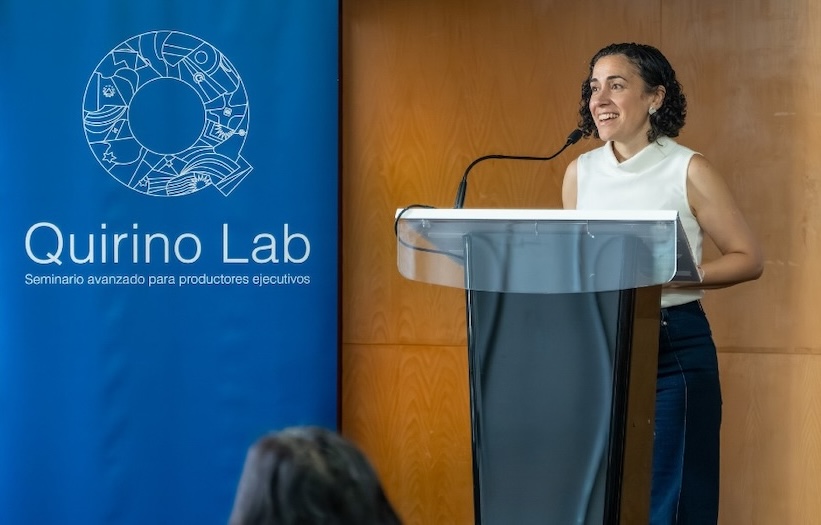
El programa de Quirino Lab se articuló en torno a cinco focos temáticos. In the module Nuevas Tendencias de Mercado y Targets, Sofía Hoffmann (Rosaparks y ONG MEP Mujeres en Publicidad Barcelona) y Gabriela Gardini (Morning Coffee) ofrecieron una visión actualizada del mercado de la animación. La sesión exploró cómo la inteligencia cultural se ha convertido en la clave estratégica para la producción audiovisual contemporánea, donde los modelos tradicionales de marketing y formato han quedado obsoletos. Se propuso un profundo cambio de mirada: pasar de buscar la simple atención a forjar una conexión emocional y cultural profunda, entendiendo a las audiencias no como receptores pasivos sino como comunidades activas que co-crean y expanden los universos narrativos. A través del análisis de formatos emergentes —desde el transmedia híbrido hasta los microdramas chinos— se planteó la necesidad de navegar las corrientes culturales profundas para generar contenidos que no solo compiten por visibilidad, sino que construyen significado y se integran en la identidad de sus públicos, abordando también los desafíos de financiación que estos nuevos modelos de producción demandan.
In Desarrollo de IPs y enlaces con otros sectores, Zofia Ścisłowska (Laniakea Pictures) se centró en las tendencias actuales vinculadas a la creación, protección y expansión de propiedades intelectuales. Presentó en Quirino Lab las claves del desarrollo transmedia de propiedades intelectuales, utilizando como caso de estudio Cloudy & Stormy, una marca Kawaii que escaló desde YouTube hasta convertirse en un fenómeno comercial.
La sesión exploró el cambio de paradigma hacia ecosistemas de IP 360°, donde la diversificación en productos de consumo, juegos y publicaciones se consolida como motor económico, enfatizando la importancia de crear anclajes emocionales tempranos con la audiencia y superar las resistencias tradicionales de los productores hacia modelos de negocio más modulares que trasciendan la financiación audiovisual convencional.
Paloma Aragón (Ackermann Labs) estuvo a cargo del foco Metodologías Organizativas Avanzadas y Gestión de Equipos, en el que se analizaron nuevas formas de organización y liderazgo en entornos empresariales, y se reflexionó sobre la gestión de proyectos, los modelos colaborativos e interdisciplinarios y la optimización de los flujos de trabajo.
En el módulo Desarrollo Financiero e Inversión, el abogado especializado en Derecho Audiovisual (Welaw Consulting) Francisco Menéndez presentó una visión integral de las principales estrategias de financiación para el sector de la animación, con énfasis en el mix público-privado y en la preparación de empresas e IPs para atraer inversión.
Por último, en el foco temático IA, Tecnologías y Tendencias Emergentes, Alby Ojeda, Alfonso Fulgencio y José Luis Farias analizaron las principales aplicaciones de la inteligencia artificial y otras tecnologías innovadoras en todas las fases de la producción audiovisual. La sesión incluyó ejemplos prácticos —como el uso de realidad virtual para prototipado, herramientas open source, producción virtual, motores en tiempo real y digital puppets— y abordó además aspectos clave para acceder a financiación en I+D+i.
Además de estos focos, Quirino Lab incluyó un estudio de caso del juego Blasphemous (The Game Kitchen), uno de los títulos españoles más reconocidos y con mayor proyección internacional
Did you like this article?
Subscribe to our NEWSLETTER and you won't miss anything.
Related articles
 The Quirino Awards launch a residency for animation producers
 Directores y profesionales de la animación conforman el jurado internacional de los VII Premios Quirino
 Public television stations in Europe and Latin America strengthen ties at the 2023 Quirino Awards
 Tenerife: hub of Ibero-American animation with the co-production and business forum of the Quirino Awards
 Ibero-America joins forces in favor of animation in the 5th edition of the Quirino Awards
 Diboos is committed to Latin America with its support for the Quirino Awards
 Los Premios Quirino de la animación iberoamericana abren la convocatoria para su tercera edición
 Neerav Shah, new vice president for strategic marketing at Grass Valley
 Los productores de animación plantan cara a TVE
 Estudio 3 Plató, a new space in the heart of Madrid for audiovisual productions
 New Canon space in El Corte Inglés for professional users
 Verdi Kids, a new space in Madrid to bring children closer to cinema
 Training Area: training will have its space at Broadcast IT 2011
 Orad offers free remote training with its new training center