





QPAC relies on AJA to dispense with UU. MM. and focus on UHD streaming
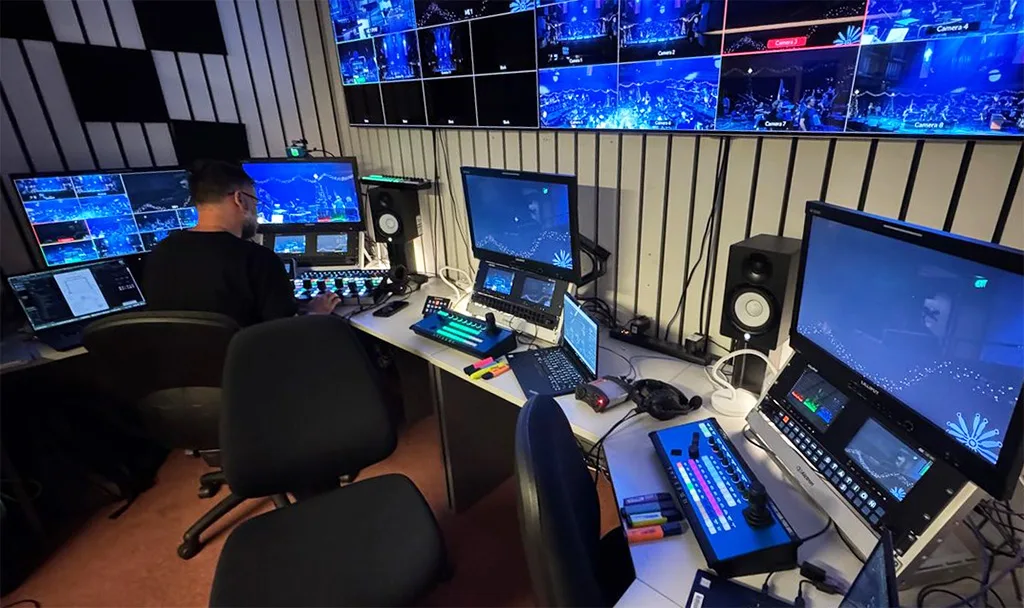
Tras haber replanteado su infraestructura técnica para hacerla compatible con streamings de alcance mundial y no depender de vehículos externos de producción, el Queensland Performing Arts Centre (QPAC) da un paso más para adentrarse en los contextos UHD con las tecnologías de gestión del color, conversión, transmisión y grabación de AJA.
Inaugurado oficialmente en 1985, el QPAC cuenta hoy con cuatro salas, que pronto serán cinco, que acogen a un amplio público, entre ellas la sala de conciertos con 1800 butacas y la sala Black Box con 280 butacas. El Lyric Theatre acoge musicales en gira, mientras que el Playhouse acoge una amplia gama de formas artísticas, como teatro, ballet y ópera.
Cualquier artista, grupo, actuación u organización que utilice las instalaciones del QPAC tiene acceso a sus servicios de retransmisión en directo y grabación. Los resultados de la producción varían en función del cliente y de los acuerdos de licencia, pero la mayoría de las actuaciones y eventos se retransmiten en directo en 1080p H.264 SDR al sitio web del cliente o a la plataforma Digital Stage, que el QPAC ha creado en Brightcove. Para actuaciones de mayor repercusión, como la reciente gira del Ballet Preljocaj, el equipo de Wade también puede retransmitir en directo a otros centros y salas de arte regionales.
Algunos clientes solo quieren una grabación H.264 inmediatamente después del evento para revisar la actuación. En otros casos, el equipo de Wade pone a disposición una grabación para su retransmisión o visualización VOD (vídeo bajo demanda) en Digital Stage. Su equipo también edita promociones, resúmenes o avances para redes sociales en diferentes formatos y resoluciones, según las necesidades del cliente. En la mayoría de los casos, esto significa que graban las señales ISO y del programa principal en Apple ProRes. Todo esto es posible gracias a la configuración interna que Wade ha creado, lo que elimina la necesidad de contar con expertos en retransmisiones para conseguir resultados similares.
Nuevos pasos hacia la UHD
As explained Michael Wade, director audiovisual del QPAC, el nuevo objetivo del centro pasa por ofrecer a los clientes “contenidos con una imagen y un sonido excelentes que permitan a su público sacar el máximo partido a sus televisores 4K HDR y sistemas de sonido Dolby Atmos”. Para lograr este objetivo, se ha impulsado una renovation técnica que combina soluciones de captación con resoluciones 4K y diversas soluciones de AJA, las cuales permiten “conseguir una estética a la altura de las costosas cámaras de alta gama a una fracción del coste”.
Cada recinto y la sala de control principal del QPAC albergan una interfaz de señal Riedel MicroN. Durante los eventos y las actuaciones, las señales genlock se envían a amplificadores de distribución de vídeo analógico AJA C10DA y se distribuyen a una combinación de cámaras de cine y PTZ. Todo el control de las cámaras, el audio Dante y las comunicaciones también se ejecutan a través de túneles Ethernet agnósticos hasta los conmutadores de salida.
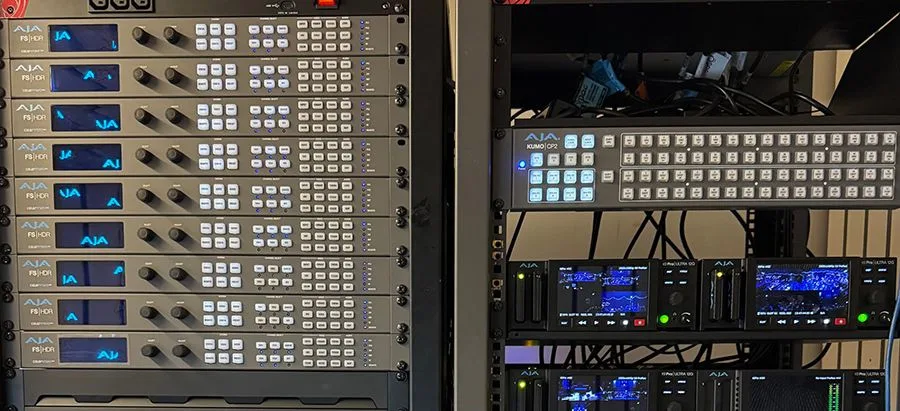
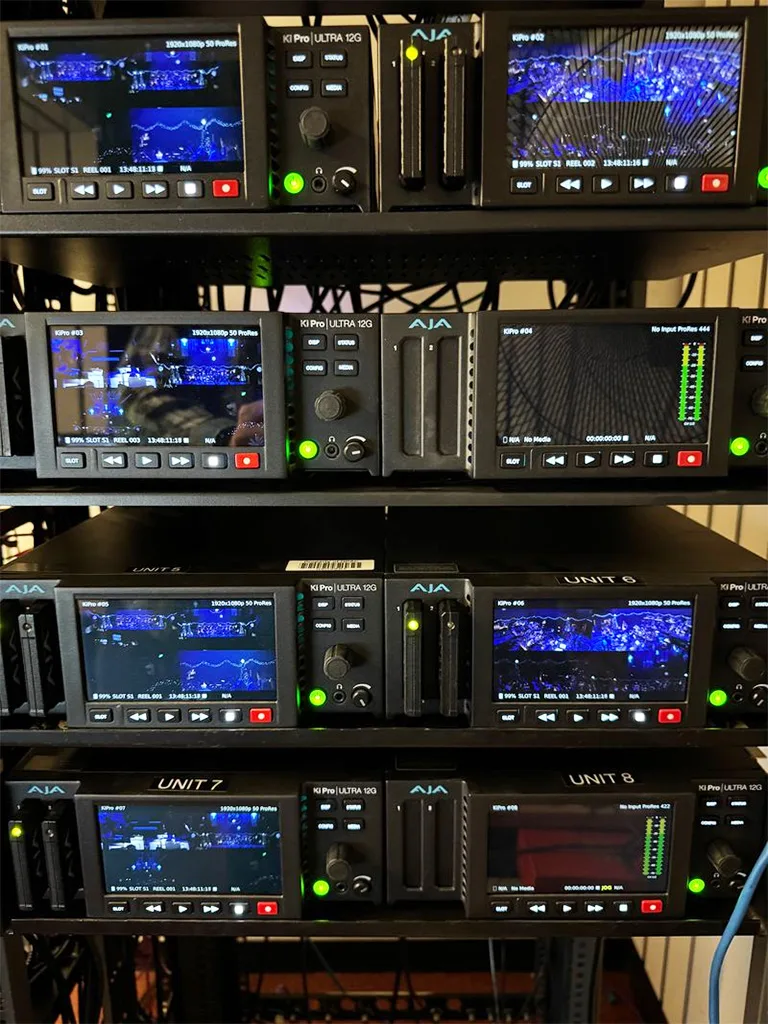 Las señales de las cámaras se transmiten a través de fibra SMPTE a una caja de distribución del estudio, donde Wade y su equipo conectan las salidas, sincronizan, devuelven la imagen y registran las señales hacia y desde el MicroN. A continuación, las señales llegan a la sala de control, donde se envían directamente a ocho sincronizadores de fotogramas AJA FS-HDR para la coincidencia de colores. Los FS-HDR envían la salida a un enrutador SDI, donde el equipo de Wade puede conectarse a su conmutador y a las grabadoras AJA Ki Pro Ultra 12G. Si es necesario, también pueden dividir el formato para grabar ISO en 4K HDR mientras conmutan y transmiten en 1080p SDR y proporcionan sincronización e incrustación de audio MADI a SDI.
Con el FS-HDR, aplican una LUT y aprovechan el Proc Amp interno para ajustar los tonos blancos, negros y de piel. Para el audio, llevan Dante o MADI a su sala de audio, donde tienen un reloj maestro y una interfaz digital, que se conecta a una consola donde realizan la mezcla y la incrustan en el vídeo utilizando la interfaz MADI del FS-HDR. Para sincronizar el audio y el vídeo digitales, QPAC utiliza un Antelope Trinity. A continuación, una división genlock se envía a un Rosendahl MIF-4, que sincroniza la velocidad de fotogramas con el código de tiempo (TC), para después enviar el código de tiempo a las grabadoras y al equipo del estudio. En este momento, el equipo de operaciones remotas utiliza Elgato Stream Decks para cambiar las señales de los monitores y las cámaras, y utiliza comunicaciones internas.
Para la transmisión en directo, el dispositivo de transmisión y grabación Helo Plus H.264 también se erige como una parte fundamental del flujo de trabajo. Además, para completar la infraestructura, los miniconvertidores de AJA, como los convertidores de fibra óptica C10DA y FiDO, satisfacen una serie de necesidades de conversión. Los FiDO se encargan de la mayor parte de la conversión de señales del recinto. Para la edición, cortan la programación y otros materiales promocionales internamente utilizando unos cuantos Mac y un PC para los gráficos y la animación. Todo el audio se mezcla posteriormente y se añade al vídeo. “Utilizamos muchos equipos de AJA en todos los ámbitos porque son muy sólidos y ofrecen un gran soporte. Sus equipos son asequibles y funcionan como si fueran más caros. Las actualizaciones son regulares y significativas, y las aplicaciones gratuitas son muy útiles”, añade Wade.
Con la última actualización casi terminada, Wade ya está pensando en su siguiente paso. Para ello, tiene la mirada puesta en cómo evolucionará el AV sobre IP en los próximos meses: “El AV sobre IP es cada vez más importante. Sin duda, es algo que estamos explorando y un área en la que tecnologías como Bridge LIVE de AJA podrían resultar realmente ventajosas”.
Did you like this article?
Subscribe to our NEWSLETTER and you won't miss anything.
Related articles
 Canal Extremadura prescinde de su servicio web a la carta para volcarse en sus aplicaciones
 Ateme relies on Google Cloud AI to generate subtitles
 KPS Studios relies on AJA Bridge Live to undertake multi-camera IP and remote production of the Durand Cup
 Comprimato relies on the Phabrix QxL to shape its next generation of 2110 encoders
 KBS se apoya en Lawo para aprovechar las ventajas de los entornos IP en su unidad móvil HDTV-4
 Telefónica se apoya en la tecnología móvil 5G de Haivision para su concierto de centenario
 Absen relies on the world of eSports to present its latest developments at IBC 2023
 Focal Point Productions relies on AJA FiDOs to simplify its network deployments
 MGX Studios relies on Brompton processors to power virtual productions
 MOOV se apoya en tecnología Brainstorm para potenciar la narrativa de BBC Sport en Wimbledon
 Director of photography Vinit Borrison relies on Dejero for his remote productions
 TVE supports Barcelona's candidacy to organize the 2019 World Athletics Championships
 RTVE.es relies on Akamai technology to offer the 2013 Swimming World Cup
 TF1 relies on Elemental Live for its multiplatform strategy