





El Instituto de Arte de Chicago se abre al mundo con look cine y Blackmagic Design
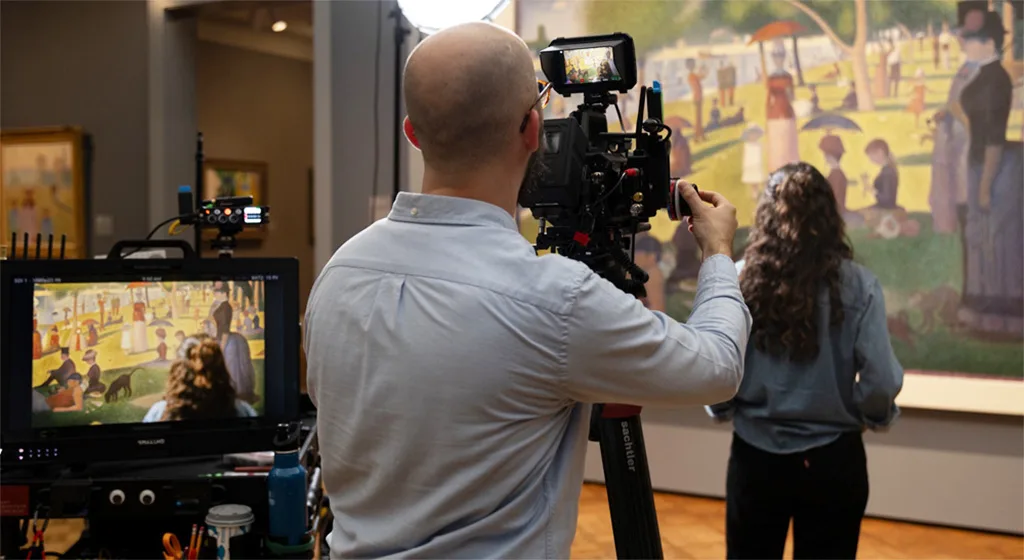
Las cámaras cinematográficas digitales Blackmagic Pyxis 6K se emplean para capturar los contenidos audiovisuales del prestigioso Instituto de Arte de Chicago, centro que inicia una nueva etapa de proyección digital.
Fundado en 1879, el Instituto de Arte de Chicago se erige como uno de los museos de arte más reconocidos del mundo. Dedicado a coleccionar, preservar e interpretar obras de arte que comprenden vastos períodos, culturas, ubicaciones geográficas e identidades, el museo está comprometido con compartir su arte con el público en general, motivo por el cual periódicamente crea contenidos audiovisuales de promoción y para sus exposiciones.
A su vez, colabora con equipos del mismo Instituto con el propósito de desarrollar material para sus socios, que abarcan grupos de turismo hasta el propio departamento de recursos humanos del museo. En palabras de Kirill Mazor, director creativo de contenidos digitales: “Nuestro objetivo es establecer contacto con quienes nos visitan, así como con las personas que no pueden asistir en persona a ver nuestra colección, por lo que trabajamos mucho en la investigación y el desarrollo de nuevas opciones que nos ayuden a llegar al público existente y descubrir nuevas audiencias”.
 De cara a abrirse al mundo, el museo utiliza productos de Blackmagic Design desde hace varios años. Recientemente incorporó dos unidades Pyxis 6K de cara a elevar la calidad de los contenidos dedicados a sus redes sociales: “Hemos utilizado las cámaras Pyxis en diversas producciones y son las que usamos para filmar contenidos sobre la marcha para las redes sociales. El tamaño compacto y el sensor de fotograma completo son prácticos para grabar en las galerías de los museos, donde la iluminación es tenue, y al tener un diseño modular, podemos adaptarlo según el caso y aun así no ocupa demasiado espacio”.
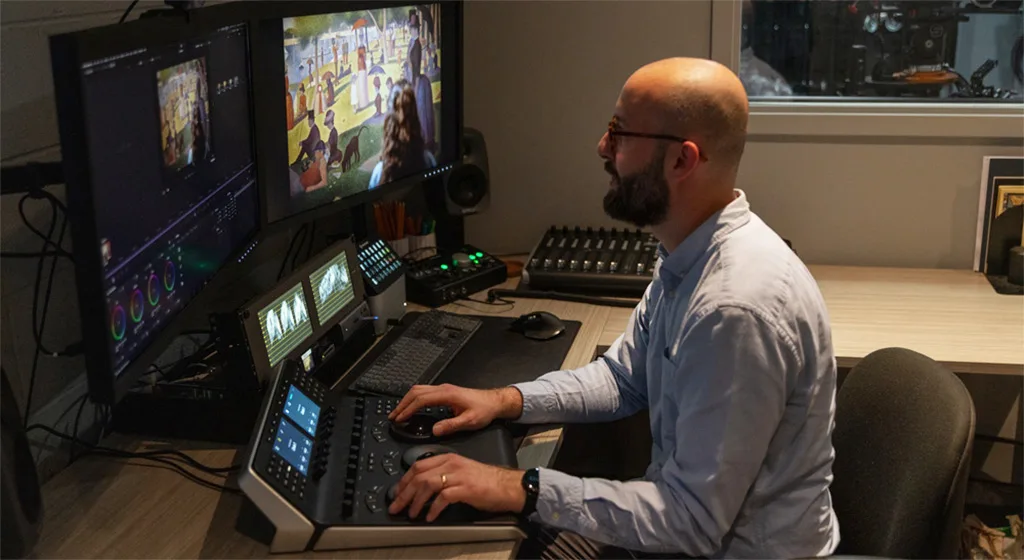
El Instituto de Arte de Chicago también emplea unidades cinematográficas digitales URSA Mini Pro 4.6K G2 y Blackmagic Pocket Cinema Camera 6K Pro. Sea cual sea la cámara elegida, el equipo de contenido digital filma en formato Blackmagic RAW, y el etalonaje se lleva a cabo en DaVinci Resolve Studio con la ayuda de un dispositivo DaVinci Resolve Mini Panel. Además, el equipo de integración audiovisual del museo utiliza grabadores HyperDeck Studio HD Mini para ciertos contenidos multimedia temporizados y para las exposiciones.
“Empleamos un Mini Panel para tener un control intuitivo y práctico durante las sesiones de etalonaje; esto nos ayudó a agilizar la labor y a ajustar la estética de una manera tanto artística como eficiente. Contar con las herramientas adecuadas nos ayuda a aprovechar al máximo cada oportunidad de narración, promoviendo a los artistas y su trabajo con contenidos que están a la altura de la calidad de las exposiciones. Esto marca una diferencia significativa en cuanto a cómo contamos las historias y nos ayuda a conectarnos con quienes nos visitan de muchas maneras nuevas”, añade Mazor.
Did you like this article?
Subscribe to our NEWSLETTER and you won't miss anything.
Related articles
 La dirección de arte virtual: técnicas para detener el mundo
 Blackmagic une cine y el mundo ProAV en la escena final de ‘Spinal Tap II: The End Continues’
 ARTE unites horror and art in 'Haunted Places' with solutions from Blackmagic Design
 Blackmagic Design dazzles IBC by turning the iPhone 17 Pro and Pro Max into cinema cameras
 San Francisco State University Film School uses Blackmagic Design solutions
 Blackmagic Design will market only the body of the Blackmagic URSA Cine 12K
Blackmagic Design to market the Blackmagic URSA Cine 12K body only
Blackmagic Design will market only the body of the Blackmagic URSA Cine 12K
Blackmagic Design to market the Blackmagic URSA Cine 12K body only
 The RTVE VR 360 App opens an immersive window to contemporary art
 35+ Sundance Film Festival Projects Created with Blackmagic Design Solutions
 Showtime Series 'The Chi' Uses Blackmagic Design Cameras to Bring Chicago's South Side to Life
 Blackmagic Design wins three iF Design awards
 The RTVE Institute opens the doors of 'Versus', a new space for debate that will bring together professionals from the sector
 The Mexican post-production company El Taller trusts in Blackmagic Design solutions for its film and advertising projects
 J.A. Bayona awarded the 'Emerging Visionary Award' at the 48th Chicago Film Festival