





From PTZ to Hyper-PTZ: the technological leap that will reconfigure our production

En esta tribuna, Manu Balseiro, formador técnico y responsable de Medios Técnicos y Auxiliares en RTVE, adelanta y traslada su visión sobre el concepto Hyper-PTZ, una nueva categoría de PTZ que podría anticipar la enésima transformación de la captación de los entornos broadcast.
¿Estamos ante un nuevo cambio de paradigma?, ¿podríamos vislumbrar un avance tan cualitativo como para adoptar el concepto de Hiper-PTZs?
Hace unos días, gracias a Sergio Brighel y su white paper “Hyper-PTZ as an enabler of the next broadcast wave”, leí por primera vez el término Hyper- PTZ en el cual argumentaba el porqué del cambio y la adaptación a denominar ciertas cámaras robotizadas como Hyper-PTZs.
En primera instancia me parece excesivo el término Hyper en una cámara. Tal vez lo veo como un anglicismo demasiado pomposo. Con connotaciones negativas si este término viniera de un departamento de marketing o comunicación de una marca o fabricante. Pero no, viene de un ejecutivo especializado del sector de la robótica y las producciones de estudio broadcast. Por lo que en un principio deberíamos asimilar que este término no se crea para vender más o menos cámaras y para que los comerciales del futuro puedan tener una palabra clave para enganchar a un cliente. Tal vez es la palabra en sí, Hyper, que en español no tiene esa fuerza natural como me transmiten otras como Ultra-PTZ, Neo-PTZ, Pro-PTZ, etc.
Dejando a un lado el nombre en sí, ¿estamos ante un cambio real de paradigma? Tanto Sergio Brighel como muchos otros, estamos viendo una evolución real y palpable.
La transformación de las PTZ
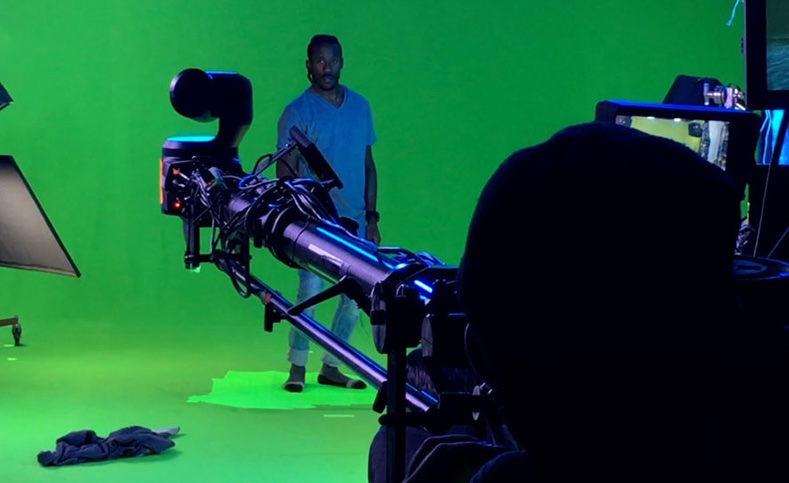
Si me remonto a mis inicios profesionales, las cámaras robotizadas PTZ siempre han estado ahí. Hablo de hace más de veinte años en la producción de este país. Y programas como Big Brother y sucedáneos, donde encontraron en el mundo PTZ la solución a cubrir una producción con decenas de posiciones de cámara de forma asequible para una cadena broadcast. Y no estrellarse en el intento.
Por eso me permito cierta libertad para opinar sobre las PTZs ya que han estado conmigo desde entonces. Y he experimentado desde el rechazo técnico por calidad de movimiento o imagen, hasta el rechazo profesional por compañeros cámaras o técnicos que veían denostada nuestra profesión a cambio de una cámara de vigilancia.
Los años pasan, pero aún perdura un concepto generalizado en los profesionales donde las cámaras PTZ son cámaras de segunda. (…) Pero ha llegado el día. Ese día donde hasta nuestros amigos incrédulos y venerables de la imagen están cambiando de opinión. A la fuerza, por los continuos resultados obtenidos.
Los años pasan, pero aún perdura un concepto generalizado en los profesionales donde las cámaras PTZ son cámaras de segunda. Como si nunca hubiera habido distintas calidades para distintas producciones, las robotizadas eran señaladas para mal. Al menos hasta ahora, donde los que hemos trabajado con este tipo de cámaras vemos que ha llegado el día. Ese día donde hasta nuestros amigos incrédulos y venerables de la imagen están cambiando de opinión. A la fuerza, por los continuos resultados obtenidos.
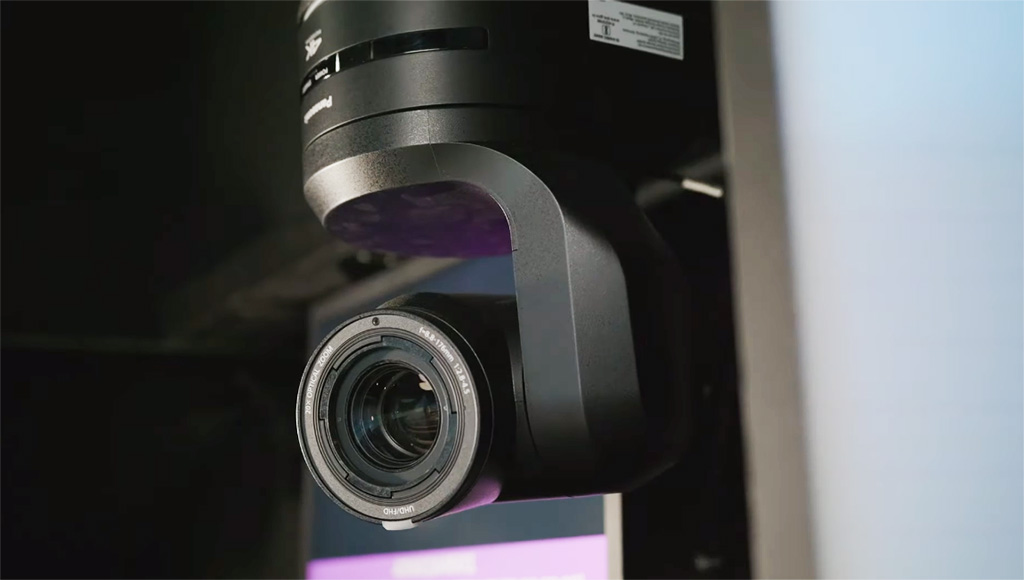
Y no hablo de que las robotizadas hayan llegado al mínimo requerimiento técnico y narrativo para ser consideradas en una producción broadcast. Panasonic en este sentido, se lo ha ganado año tras año. Hablo de que los fabricantes han saltado ese nivel con creces.
La era PTZ
Por un lado, por la gran evolución tecnológica actual y por otro porque han derivado más recursos de sus empresas para dar solución al creciente mundo PTZ.
Hablo de los gigantes de la fabricación de cámaras que se han sumado a la robotización, donde ya no hay una feria internacional ya sea el IBC, NAB, ISE, etc., donde hasta el fabricante más pequeño esté sacando su línea de cámaras PTZ.
Gigantes del mercado que no darían un paso en falso por la cantidad de pérdidas que esto supondría si no tuvieran sus estudios de marketing, ventas y crecimiento de la producción audiovisual asegurado.
Incluso adivinando el futuro con el gran desarrollo de la IA y la pequeña, por ahora, amenaza de asimilación de puestos de trabajo y profesiones, el mundo PTZ puede quedar indemne. O incluso ser un aliado…
Podemos encontrar fácilmente sensores de 1” e incluso Full Frame destinados a la cinematografía digital. El mercado más exigente en cuanto a calidad de imagen. Las PTZs ahora pueden hacer cine.
Tenemos cámaras PTZ para producciones UHD/4K que han evolucionado hasta tal punto donde los sensores y procesadores -el ama que recoge la imagen- son de la misma calidad que de las cámaras destinadas al broadcast. A veces, incluso de mayor calidad. Podemos encontrar fácilmente sensores de 1” e incluso Full Frame destinados a la cinematografía digital. El mercado más exigente en cuanto a calidad de imagen. Las PTZs ahora pueden hacer cine.
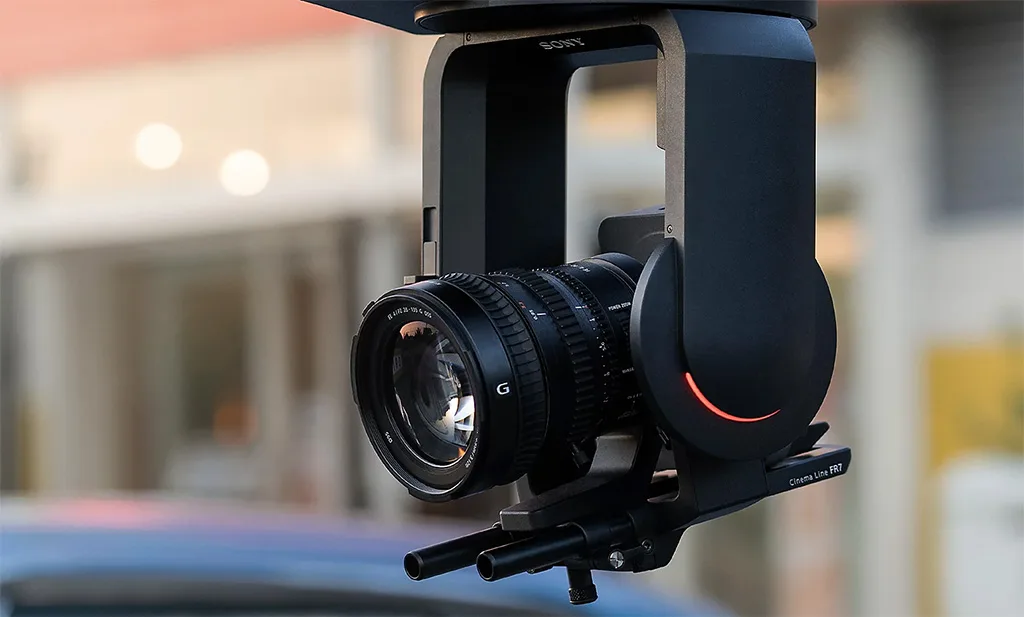
Pueden, incluso, tener ópticas intercambiables –como la ILME-FR7 de Sony – o de cristales de calidad de grandes fabricantes ópticos como pueden ser las lentes Carl Zeiss.
Workflows de colorimetría para facilitar su integración con espacios y profundidad de color broadcast y cinematográficos para producciones SDR/HDR. Incluso espacios dedicados como el reciente 709tone de Sony para hacer de sus PTZ fácilmente igualables con sus cadenas de cámaras.
Y con capacidad de conexión a RCPs para los operadores de control de imagen. O con soluciones de otros fabricantes como CyanView o Skaarhoy para tener paneles de control con su seta para el diafragma y demás funciones que facilita el trabajo respecto a la colorimetría.
Los motores actuales son espectacularmente precisos, con movimientos muy lentos o muy rápidos si así se necesita. Y con calidades que antes sólo encontrábamos en cabezas calientes de presupuesto mucho mayor.
Por no hablar de la conectividad IP y todo lo que conlleva facilitando instalaciones, o la capacidad de alimentar estas cámaras con switchers PoE capaces de entregar la alimentación a través del cable de red.
O si comentamos el movimiento en sí, donde confluye la narrativa real que busca un operador de cámara o un realizador. Los motores actuales son espectacularmente precisos, con movimientos muy lentos o muy rápidos si así se necesita. Y con calidades que antes sólo encontrábamos en cabezas calientes de presupuesto mucho mayor. Junto a paneles de control hiperdesarrollados como el próximo AW-RP200GJ de Panasonic capaz de controlar a su vez otros soportes como camrails o torres telescópicas.
Estamos ante un todo integrado, de alta calidad de imagen y movimiento, con un presupuesto asequible, y capacidad para dar rienda suelta a las crecientes necesidades de los realizadores actuales. Y algunas, incluso con camcorders integrados, con todo lo que esto significa.
Por si todo esto no fuera poco, tenemos la integración de la IA –o programación avanzada como me corrigieron en un IBC– que nos dota de auto framing. No ya de seguimientos automatizados que en menor o mayor acierto ofertan los fabricantes, sino de auto encuadres. No en relación a que las cámaras piensan en qué encuadre es el correcto para cada toma. Aquí siempre habrá un operador detrás. Sino que mantiene ese tracking automatizado bajo un cuadro compuesto por nosotros. He visto esa tecnología de primera mano hace ya un par de años con la BRC-AM7 de Sony y he podido vislumbrar lo que es capaz de hacer esta cámara.
Una nueva fase para las cámaras robotizadas
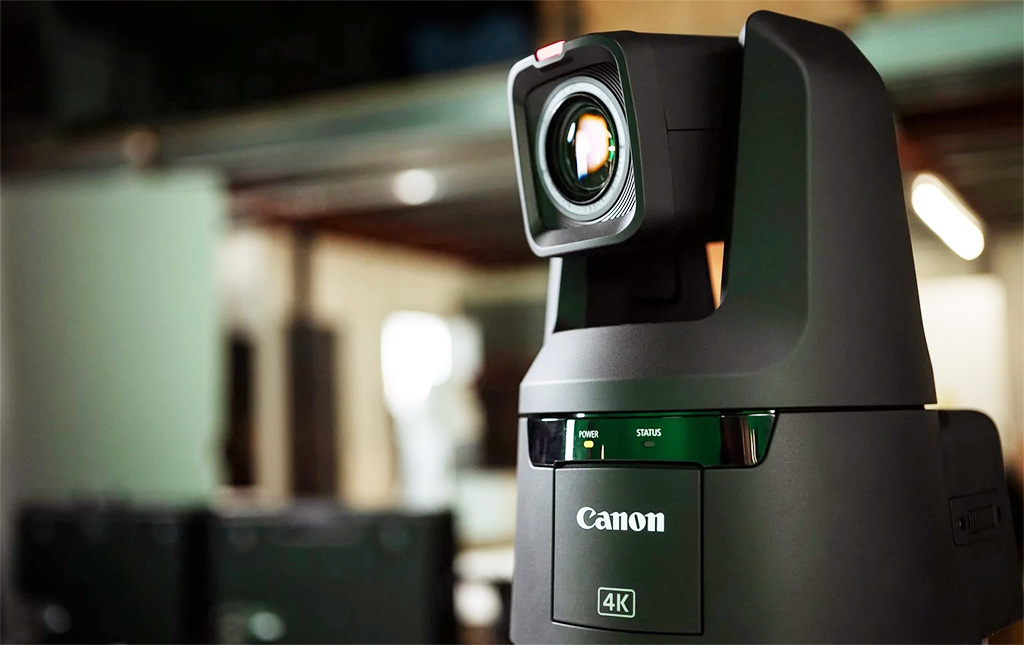
El siguiente paso que me anticipo a ver son unidades móviles sólo con robotizadas. Soportadas por un equipo mínimo, esta vez sí, hiper cualificado.
Unos directivos de medios lentos, con miedo al cambio y sin perspectiva de futuro estarán fuera de combate.
Por ello, sin miedo a saltar al vacío, puedo decir que efectivamente estamos ante unas nuevas cámaras robotizadas, sean Hiper-PTZs o con otro nombre, que están cambiando nuestro trabajo.
Auguro un crecimiento exponencial que hablará por sí solo –ya lo hace- cuando incluso el espectador avanzado experto en imagen no pueda distinguir entre una Hiper PTZ y otra de la cadena habitual de cámaras para producciones broadcast.
Manu Balseiro
Formador técnico y responsable de Medios Técnicos y Auxiliares en RTVE

Did you like this article?
Subscribe to our NEWSLETTER and you won't miss anything.
Related articles
 Radio Barcelona (Cadena SER) da un salto tecnológico con Aspa
 ARTE makes the leap to IP production with LDX 135 cameras and SMPTE ST 2110 workflows
 LiveU estrena en IBC LU900Q, un “salto cuántico” en la transmisión en directo y la inteligencia de producción
 The FINAS ICVFX studio makes the leap to virtual production with Brompton solutions
 TSA ayudará a RTPA y Telemadrid a dar el salto al IP
 Olivier Bovis (Sony): “la sostenibilidad es la transformación más compleja de nuestra era”
 Musion generates hyper-realistic, interactive holograms with AJA solutions
 Canal Reus renews its news production and management system to promote its jump to HD
 Avid takes a leap forward in production speed and collaborative work with the update of its MediaCentral platform
 Panasonic, Partner Tecnológico del Festival de Cannes
 A study analyzes why we watch television, the change in habits and its role in our society
 The stratospheric jump Red Bull Stratos, with Riedel as a technological partner, achieves an Emmy
 Jordi Utiel, de VSN: “exportamos el 65% de nuestra producción”
 Lavinia da el salto a XDCAM EX en Giralda Tv