





La Escuela de Cine de la Universidad Estatal de San Francisco emplea soluciones de Blackmagic Design
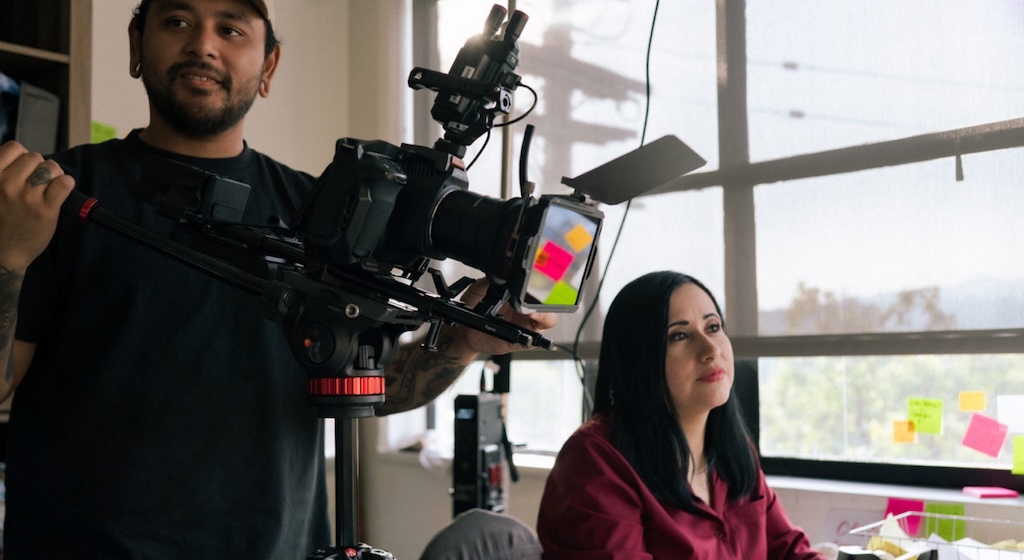
La Universidad Estatal de San Francisco (SFSU) utiliza varias cámaras cinematográficas digitales de Blackmagic Design, así como DaVinci Resolve Studio, en sus clases, talleres y laboratorios de la Escuela de Cine.
La institución emplea más de 40 cámaras de Blackmagic Design y adapta su plan de estudios asignando equipos según el nivel de conocimiento de los estudiantes en cursos introductorios de cine, tesis de grado, carreras de posgrado y producciones reales.
Christopher Wooten, profesor de la SFSU, la Escuela de Cine utiliza cámaras de Blackmagic Design desde 2015, destaca que “la transición del celuloide a la tecnología digital requería herramientas que permitieran crear una estética cinematográfica, y fue precisamente lo que las cámaras de Blackmagic nos permitieron lograr desde el primer momento. Claro que existen muchas opciones en el mercado, y los cineastas tendrán sus propias opiniones sobre las cámaras, pero a los estudiantes les resultaría difícil encontrar una solución más versátil. Su facilidad de uso, su calidad de imagen y su precio competitivo las convierten en una excelente alternativa, tanto para instituciones como para principiantes en el ámbito de la cinematografía”.
Wooten es un generalista en cine y animación. Como tal, está vinculado a una gran cantidad de cursos que abarcan la introducción a la cinematografía, los laboratorios de cine, el diseño de producciones y el proceso de creación de películas que forman parte de las tesis, entre otros.
“La SFSU tiene una larga trayectoria en la producción de cine experimental, documental y narrativo, lo cual implica un amplio espectro de perspectivas y capacidades, tanto en la fase inicial como en la posproducción. Por lo tanto, necesito amoldarme a diferentes disciplinas, y preciso herramientas que se adapten conmigo y me brinden la calidad y estabilidad para que mis estudiantes puedan desarrollar su creatividad sin importar su enfoque. Aquí es donde entran en juego las cámaras Blackmagic Design, con su facilidad de uso y sus funciones profesionales”, explica.
La SFSU emplea aproximadamente 30 unidades Blackmagic Pocket Cinema Camera 4K, seis Blackmagic Pocket Cinema Camera 6K y cinco Blackmagic URSA Mini Pro 4.6K G2, así como varios dispositivos DaVinci Resolve Mini Panel junto con el programa DaVinci Resolve Studio para el etalonaje y la creación de paquetes de cine digital (DCP) en sus salas especializadas.
“En nuestras clases, se asignan equipos específicos para cada nivel de aprendizaje”, señala Wooten. “A medida que los estudiantes avanzan en el curso y aprenden a usarlos, les brindamos acceso a otros de gama alta”.
“Las Pocket 4K se utilizan a partir de los cursos introductorios, y los modelos 6K, principalmente en los de creación de documentales, pero también se han ido incorporando a los cursos de cinematografía y de tesis. Por su parte, las cámaras URSA Mini Pro se emplean en clases de nivel superior y de posgrado que incluyen producciones narrativas y de documentales. Resolve ha estado presente en todas las asignaturas relacionadas con la cinematografía, y también lo he implementado en mis cursos de edición”, añade.
Postproducción
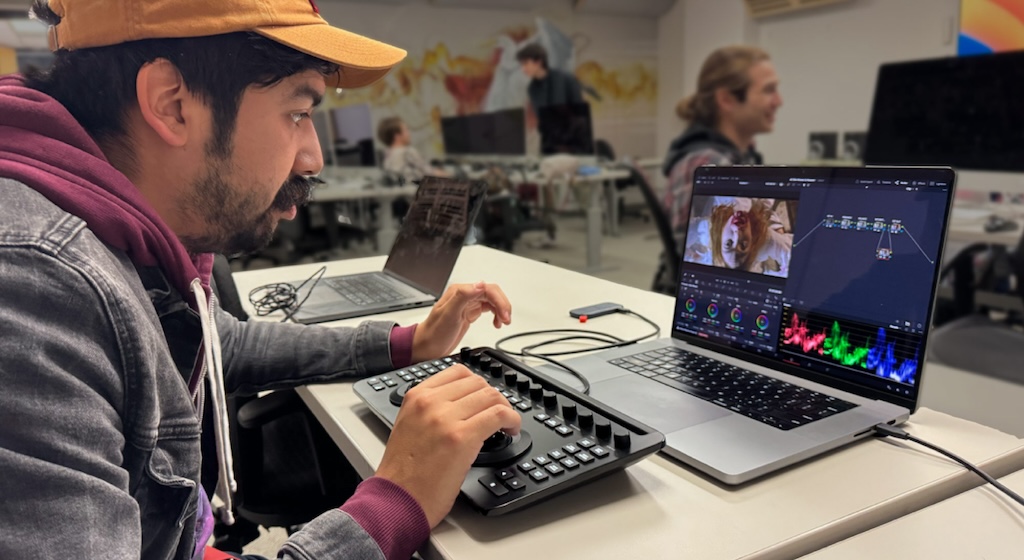
Con relación a los cursos de posproducción, Wooten valora el diverso conjunto de herramientas de DaVinci Resolve Studio y señaló que la edición, el etalonaje y los efectos visuales tienen un papel preponderante en sus clases y laboratorios.
“No hay duda de que las funciones cromáticas de Resolve son excepcionales, y una vez que los estudiantes las dominan, les encantan y las utilizan en mayor medida. Estoy aprendiendo un poco sobre el módulo Fusion y animo a los estudiantes a hacer lo mismo a través del programa de capacitación en línea. Las nuevas herramientas Fairlight de la versión 19 han impresionado a los estudiantes, en particular las de aislamiento de voz y mezcla. Perdí un día entero de clase hablando sobre ellas, en el buen sentido”, afirma.
“La innovación ha sido una de las ventajas en cada versión nueva de Resolve y en las actualizaciones para las cámaras de Blackmagic. La uniformidad entre dispositivos, la claridad de los menús del sistema operativo Blackmagic y la transición fluida a la etapa de posproducción han sido útiles para que los estudiantes sin experiencia se inicien en el proceso, y valiosas para alumnos y profesores de niveles superiores” añade Wooten.
Para finalizar, comenta que “la situación actual de la industria nos ha abierto los ojos a perspectivas alternativas con respecto a las herramientas que utilizamos. A medida que los estándares evolucionan, me entusiasma apoyar a nuestros nuevos creativos con herramientas que amplían su vocabulario visual con menos distracciones y mayor competencia. Como docente, me gusta mucho la transición que veo en los estudiantes hacia la creación desde una perspectiva visualmente atractiva y expresiva”.
Did you like this article?
Subscribe to our NEWSLETTER and you won't miss anything.
Related articles
 La era del deepfake, al descubierto con soluciones de Blackmagic Design
 Blackmagic Design comercializará solo el cuerpo de la Blackmagic URSA Cine 12K
 PBS shoots and grades ‘When We Were Shuttle’ with solutions from Blackmagic Design
 Blackmagic Design Solutions Bring Horror Movie 'Alone With You' to Life
 NewBlue emplea interfaces API de Blackmagic Design en su línea de productos Live
 PGL emplea soluciones de Blackmagic en sus producciones de eSports
 35+ Sundance Film Festival Projects Created with Blackmagic Design Solutions
 La Universidad Chulalongkorn emplea soluciones de Blackmagic Design para transmitir clases por Internet
 Rob Legato uses Blackmagic Design solutions for the virtual production of 'The Lion King'
 Ben Davis uses Blackmagic Design products in the filming of 'Captain Marvel', from Marvel Studios
 Fall Out Boy emplea en su gira mundial ‘Mania’ soluciones de Blackmagic Design
 wTVision emplea soluciones de Blackmagic como columna vertebral de sus desarrollos
 OneRepublic uses Blackmagic solutions for audiovisual production on its latest tour
 The Mexican post-production company El Taller trusts in Blackmagic Design solutions for its film and advertising projects