





PBS shoots and grades ‘When We Were Shuttle’ with solutions from Blackmagic Design
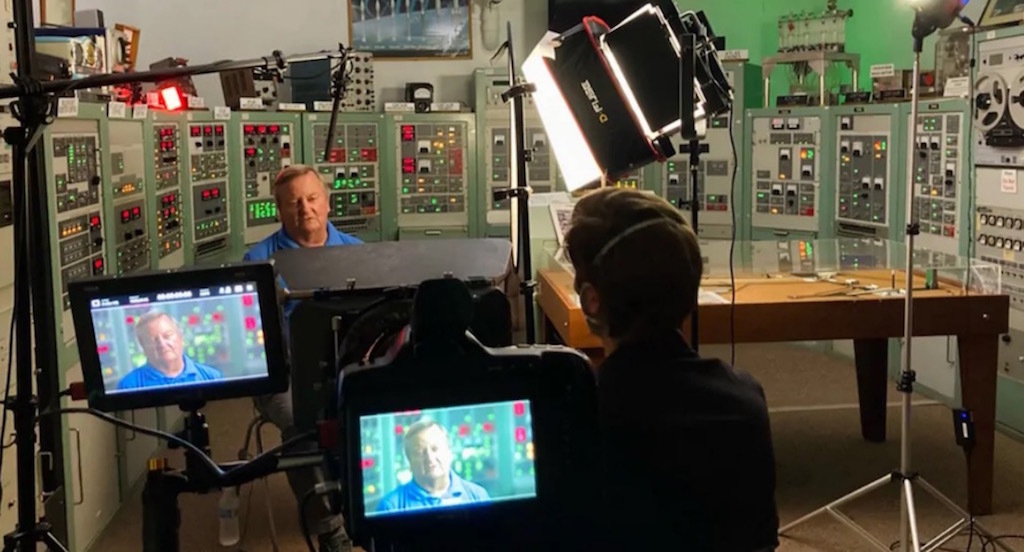
The Pocket Cinema Camera 6K and DaVinci Resolve Studio, solutions for Blackmagic Design, have been used to shape the documentary 'When We Were Shuttle', promoted by American public television PBS.
When We Were Shuttle It is a documentary financed by WLRN, a Miami station that is part of PBS. The feature film aims to capture the “essence” of the people who gave rise to a space program with a unique and fundamental look at the impact that the shuttle had until the program's closure in 2011. It was directed by Zachary Weil, while the photograph is signed by Kyle McConaghy. The premiere took place at the Kennedy Space Center IMAX theater in October 2022.
As a child, Weil was passionate about space flight. Growing up in South Florida, he has many memories of visiting the NASA: "I still remember the first time I went to the Kennedy Space Center as a member of the young astronauts club and the very strong and immediate connection I felt with this site and its history. In 2019, Weil already produced a documentary titled When We Were Apollo for WLRN. Due to his success, the channel offered him support your next project, which ended up materializing in When We Were Shuttle.
Weil had previously worked with McConaghy on other projects. When planning the different interviews and the material, they were clear from the first moment about the camera type that they would use: “We discussed different possibilities, but the compact size of the model Pocket Cinema Camera 6K It was what convinced us. “We knew we wanted to record the subjects in their environments and workplaces, so using the Pocket Cinema Camera 6K with minimal equipment allowed us to minimize our presence by blending into the background.”
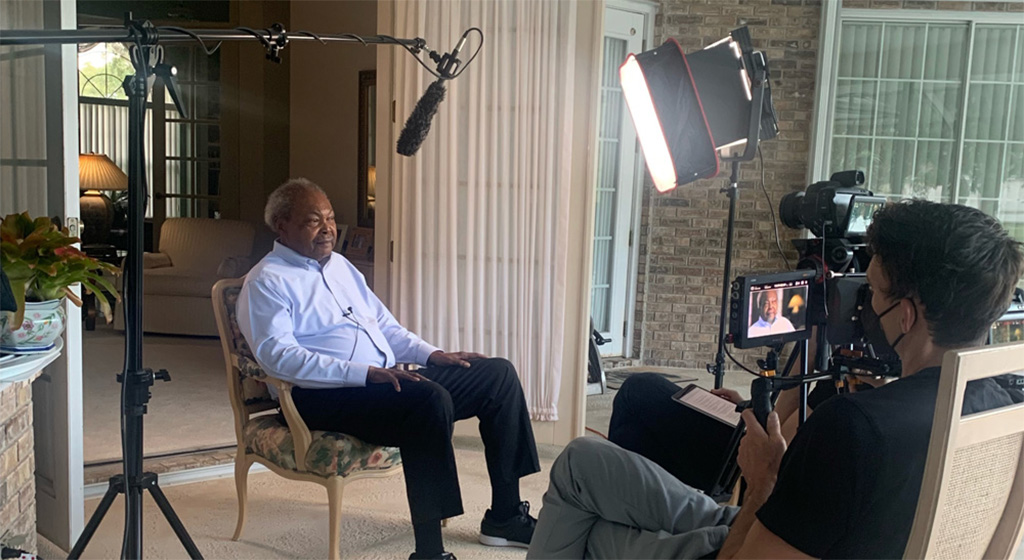
Rolling with the Pocket Cinema Camera 6K
One of the most notable advantages of the solution Blackmagic, Weil himself points out, is its versatility: "From the point of view of size, the design of the Pocket 6K model is excellent. Since we were following the protagonists handheld, when looking at the material, you would think that, at the very least, we had some simple support or a more important stabilization system. But the size and weight of the camera are ideal for this style of recording."
Although the style of the production was that of a handheld documentary, Weil and McConaghy wanted to achieve the best cinematic quality possible and, at the same time, be aware of the storage of the images: “In addition to the image quality and size, it was very innovative to be able to record the extensive interviews in format Blackmagic RAW”, says McConaghy, who adds: “We filmed in 6K resolution (6144 x 3456) with constant quality settings Q3 or Q5, and I couldn't believe the hours of footage we managed to capture on one or two CFast cards.”
The lighting of When We Were Shuttle it was also simple, but effectivesays Weil: "In addition to the Pocket 6K camera, we also used a panel as the main lighting source, as well as a black or white plate to even out the light, and in turn, even the smallest ray of natural light that we could take advantage of from a window or any other source. I think all of this contributes to our desire to preserve a simple environment and achieve an organic retro documentary style, in which not as many lights are used for stylistic reasons as in more contemporary ones."
Grading with DaVinci Resolve Studio
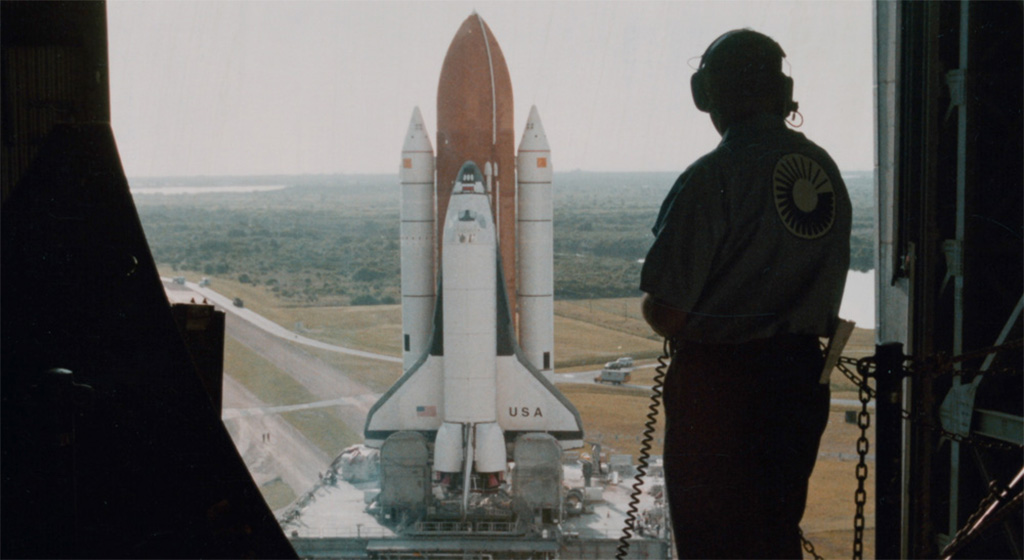
McConaghy graded the images of the project in DaVinci Resolve Studio, Blackmagic Design solution. Before, they chose the visual style that would accompany the entire documentary: "Zack and I were very inspired by the archival material we had collected. Much of it had been captured on 16 mm tape or Kodachrome, in the case of photographs. So we talked at length about how to create and foster an aesthetic that was exactly opposite to the subject we were dealing with: space, a very sterile and cold place. The solution was to go in the completely opposite direction of recording and grading the protagonists with a warm and more familiar aesthetic."
The grading process was especially simple, McConaghy highlights, due to the possibilities offered by the format Blackmagic RAW. En sus propias palabras: “La cámara hizo que la etapa de posproducción fuera sumamente sencilla. La retención de las luces que ofrece el formato Blackmagic RAW es excepcional, lo que ayudó a potenciar el estilo retro a fin de hacerlo coincidir con el material de archivo”.
When We Were Shuttle está disponible en https://whenwewereshuttle.org/ y se estrenará en PBS a principios de 2023.
https://youtu.be/G0SnNnGSIEU
Did you like this article?
Subscribe to our NEWSLETTER and you won't miss anything.
Related articles
 The era of deepfake, revealed with solutions from Blackmagic Design
 Rockets inaugurates virtual studio with Blackmagic Design solutions
 Kansai TV shoots the series 'Blue Bithday' with Blackmagic Design cameras
 EWTN Hungary renews its studio with solutions from Blackmagic Design
 PBS shoots and grades ‘When We Were Shuttle’ with Blackmagic Design solutions
 Blackmagic Design Solutions Bring Horror Movie 'Alone With You' to Life
 The Japanese production company Kan-Nari relies on Blackmagic Design solutions
 ESL reinforces its eSports production studios with Blackmagic Design solutions
 Hibino launches into virtual production with 12G solutions from Blackmagic Design
 Summer billboard benefits from Blackmagic Design solutions
 JamTV shoots with Blackmagic Design cameras 'Making Their Mark', one of the last Amazon Originals
 Vanessa Taylor etalona 'The Protégé' con DaVinci Resolve Studio (Blackmagic Design)
 Hulu rueda ‘Iki wo Hisomete’ con la URSA Mini Pro 4.6K G2 de Blackmagic Design
 The Indian Formula 1 Grand Prix with Blackmagic Design solutions