





The era of deepfake, revealed with solutions from Blackmagic Design
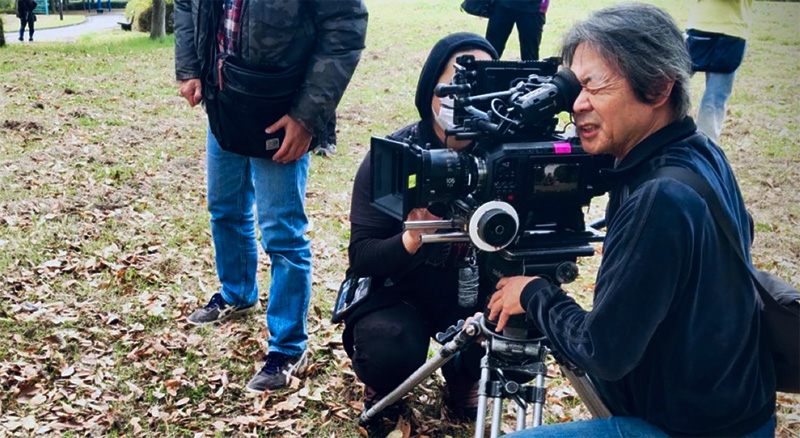
Las cámaras cinematográficas digitales de Blackmagic URSA Cine 12K LF y Cinema Camera 6K fueron las protagonistas del rodaje de ‘Tsukurareta Shinjitsu DEEP FAKE no Jidai’ (‘La verdad fabricada: La era del “deepfake”’), un episodio de la serie de documentales NHK Special de la radiotelevisión pública japonesa.
NHK Special es la serie de documentales más aclamada de la NHK, y se distingue tanto por sus investigaciones rigurosas como por la gran calidad de su producción. Tsukurareta Shinjitsu DEEP FAKE no Jidai es una mezcla única entre documentary y fiction que explora asuntos de la vida real relacionados con las imágenes deepfake generadas por inteligencia artificial.
The director of photography Hiroaki Nishimura grabó las partes dramáticas del formato empleando los modelos URSA Cine 12K LF y Cinema Camera 6K. La primera cámara, la principal del proyecto, se desplegó con objetivos de distancia focal fija de Sigma. Aunque la mayoría de las escenas se captaron en resolución 4K, algunas se filmaron en 12K: “Por ejemplo, en una escena en la que los personajes caminan debajo de un puente, como no tenía un teleobjetivo, rodé en resolución 12K y luego hice un acercamiento durante la posproducción. Ese tipo de flexibilidad es una de las mejores prestaciones de la cámara”. Nishimura acompañó el equipo con el visor URSA Cine EVF.
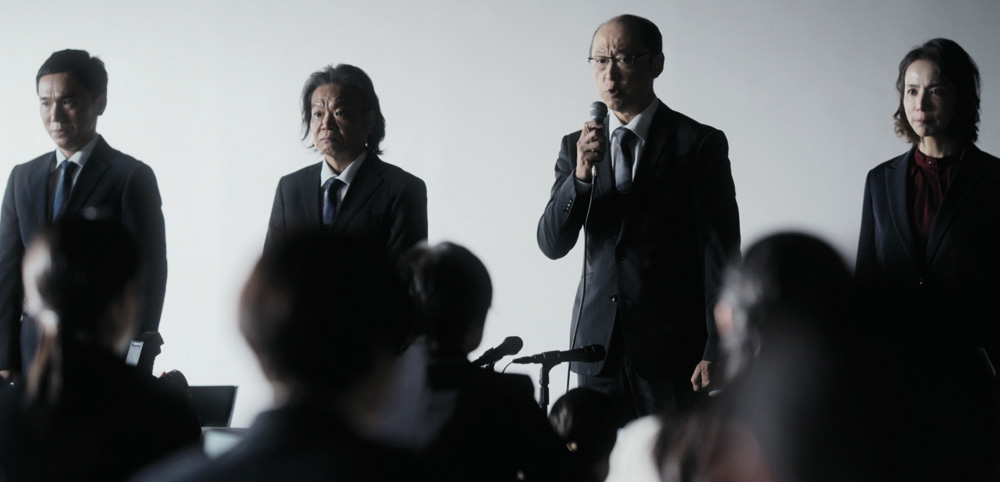 La historia también requirió que algunas de las escenas incluyeran material grabado con un teléfono. Para ello, el equipo de producción utilizó la aplicación de Blackmagic Camera: “Hay algunas escenas que se grabaron con un iPhone; en una de ellas, la hija del protagonista graba a su familia, así que hicimos que la joven actriz filmara esas tomas ella misma. Esto añadió realismo y, al ser parte de la generación de los nativos digitales, hizo un estupendo trabajo”.
El proceso de etalonaje fue liderado por Ryota Kobayashi (Omnibus Japan), quien decidió apostar por el software DaVinci Resolve Studio and one unit DaVinci Resolve Advanced Panel. Aunque la historia es ficticia, el etalonador quiso mantener un “cierto nivel de realismo” que ayudara a reflejar cómo la inteligencia artificial se integra progresivamente en el día a día de la sociedad: “Como Nishimura se inclina por un estilo visual un poco más nítido, me concentré en crear matices de sombras fuertes, manteniendo a la vez los colores puros y sin ruido. A pesar de que el tema del programa es la inteligencia artificial, no queríamos que la apariencia fuera demasiado digital, así que añadí ajustes estéticos para que también se viera como una película. Usamos exclusivamente cámaras de Blackmagic para este proyecto, así que el espacio cromático era consistente y más fácil de controlar”.
“Era la primera vez que etalonaba material grabado con la URSA Cine 12K, y ya desde las tomas de prueba podía notar que el resultado estaba muy por encima del que obtienes con otras cámaras. Incluso al examinar las imágenes aislando cada uno de los canales RGB, el color no tenía no tenía ningún ruido ni desigualdad que se pudiera apreciar. Desde mi punto de vista como colorista, con la URSA Cine obtienes unas imágenes preciosas con una nitidez y calidad excepcionales”, concluye Kobayashi.
Did you like this article?
Subscribe to our NEWSLETTER and you won't miss anything.
Related articles
 Rockets inaugurates virtual studio with Blackmagic Design solutions
 EWTN Hungary renews its studio with solutions from Blackmagic Design
 PBS shoots and grades ‘When We Were Shuttle’ with solutions from Blackmagic Design
 UUUM structures its RUUUM studios around Blackmagic Design solutions
 RTVCPlay's interactive series 'The Inquisitor', created with Blackmagic Design solutions
 Blackmagic Design Solutions Bring Horror Movie 'Alone With You' to Life
 The Japanese production company Kan-Nari relies on Blackmagic Design solutions
 ESL reinforces its eSports production studios with Blackmagic Design solutions
 Hibino launches into virtual production with 12G solutions from Blackmagic Design
 Summer billboard benefits from Blackmagic Design solutions
 Tom Ford broadcasts 1,500 hours of live content with Blackmagic Design solutions
 Blackmagic Design solutions allow the 'Shein Together' event to be broadcast
 Fall Out Boy uses Blackmagic Design solutions on its 'Mania' world tour
 The Indian Formula 1 Grand Prix with Blackmagic Design solutions