





Rob Legato uses Blackmagic Design solutions for the virtual production of 'The Lion King'
El supervisor de efectos visuales galardonado con premios Óscar por películas como ‘Hugo’ y ‘El libro de la selva’, lleva la tecnología a otro nivel en la producción dirigida por Jon Favreau.
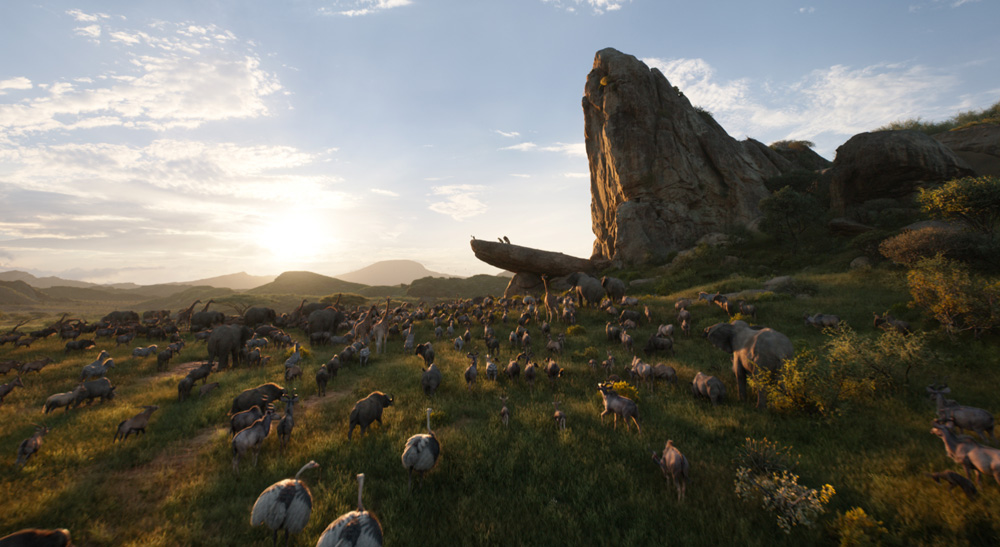
Rob Legato, supervisor de efectos visuales, empleó una amplia variedad de productos de la empresa en la creación del entorno de producción virtual para la película El rey león. La nueva película de la factoría Disney, directed by Jon Favreau, ha recaudado casi 1.500 millones de dólares en todo el mundo desde su estreno el 19 de julio de este año.
Con la tecnología disponible hoy en día, producir un largometraje en 3D no tiene que ser un proceso en el que haya que esperar a que el equipo responsable de las animaciones haya terminado su trabajo. Rob Legato, supervisor de efectos visuales galardonado con premios Óscar por películas como Hugo y The jungle book, quería llevar la tecnología a otro nivel. Por lo tanto, creó un espacio en el que cineastas tradicionales podían trabajar en un entorno digital con herramientas familiares del set real. “El objetivo no era generar cada toma en el equipo informático”, comentó Legato, “sino fotografiar el entorno digital como si fuese uno verdadero”.
 Esta historia cuenta con el retorno a la gran pantalla de personajes queridos en la sabana africana, en la que el futuro rey debe superar la traición y tragedia para reclamar su lugar en la Roca del Rey. Al igual que la película original de Disney Animation en 1994, la cual resultó todo un éxito 2D en ese momento, la versión de este año desafió los límites de la tecnología moderna, al emplear avanzados gráficos computarizados para crear un estilo fotorealista sin precedentes. Más allá de la apariencia final, el proyecto incorporó equipos innovadores durante todo el proceso de producción, utilizando un entorno virtual de vanguardia.
El set de producción donde se rodó El rey león quizás fue un tanto extraño, con dispositivos inusuales para rellenar el suelo principal y diversos técnicos detrás de computadoras situados por todo el perímetro. Igualmente, todo esto fue solo el inicio. Para comenzar con las grabaciones, el director Jon Favreau y el cineasta Caleb Deschanel disponían de auriculares que los trasladaban al mundo virtual de Mufasa y Simba.
En lugar de forzar a que los cineastas adoptaran las herramientas digitales, Legato modificó los dispositivos físicos con el propósito de usarlos en el mundo virtual. Por ejemplo, se alteró una grúa con equipos de seguimiento para permitir que los ordenadores recrearan su movimiento a la perfección. Incluso se adquirió un soporte Steadicam, a fin de brindarle la posibilidad a Deschanel de desplazar la cámara virtualmente con las mismas prestaciones que en un rodaje real. El objetivo era que la producción creara los contenidos de modo tradicional con productos estándar que existen no solo en el set sino también a nivel digital. “En la etapa de previsualización clásica , se desplazaría la cámara completamente en el entorno del equipo informático”, señaló Legato. “Pero en nuestro set virtual, directamente agregamos rieles para el travelling, que representaron esto con suma precisión”.
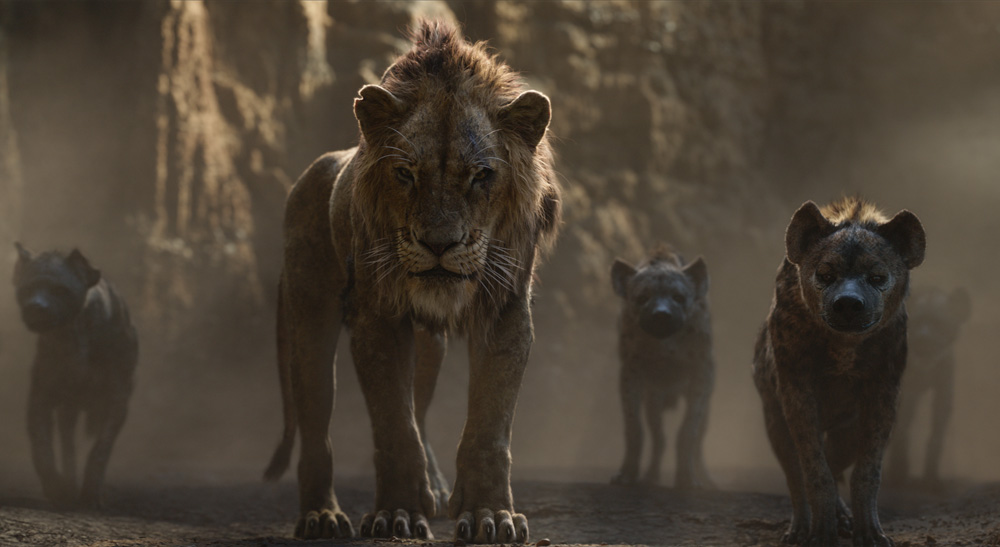
Estudio y mundo virtual
Blackmagic Design no solo fue parte del sistema, sino también la base de todo el proceso, dado que aportó la infraestructura tanto para el mundo virtual como para el estudio. Matt Rubin, productor de efectos visuales, explicó: “en un primer lugar, utilizamos los equipos de Blackmagic para distribuir las señales por todo el edificio, así como para manejarlas en cada etapa de la producción. También usamos tarjetas DeckLink para capturar las imágenes, distintas unidades Micro Studio Camera 4K como cámaras secundarias, varios mezcladores, tales como los modelos ATEM Production Studio 4K y Atem Television Studio HD“.
Las etapas de edición y creación de efectos visuales se vincularon mediante matrices Smart Videohub, lo que ofreció acceso a ambos departamentos a la sala de proyección, así como a las imágenes empleadas allí para las diferentes tomas. A medida que se generaba el entorno virtual, se capturó el material con las tarjetas DeckLink y se reprodujo mediante una red de video, cuya señal se enviaba a la sala de control y se grababa en distintos dispositivos HyperDeck Studio Mini.
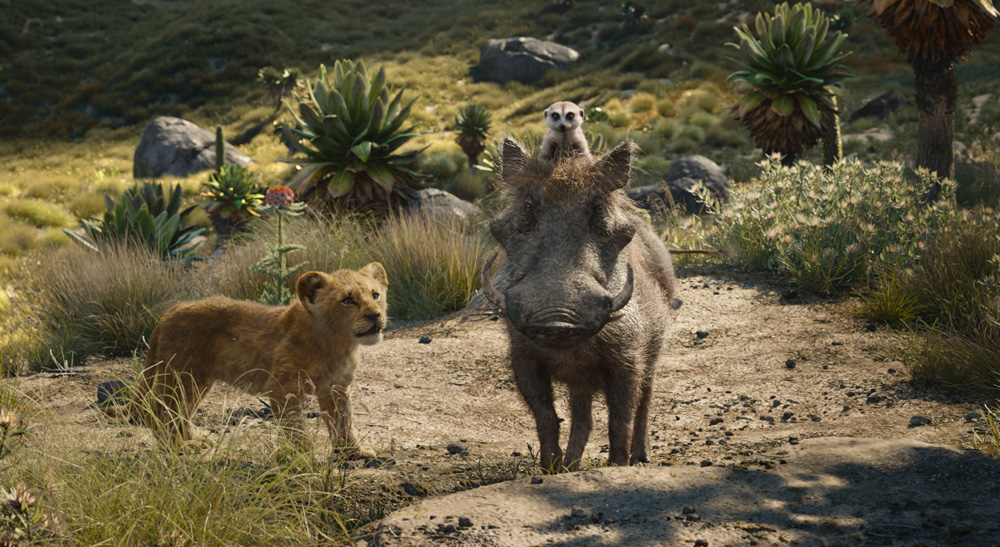 Una vez que se grabó y almacenó el material en los equipos informáticos, la dinámica de trabajó pasó a MPC, la empresa responsable de los efectos visuales, a fin de generar las imágenes fotorealistas. Durante la etapa de evaluación de las imágenes y manteniendo una edición actualizada, Legato y su equipo confiaron en el programa DaVinci Resolve Studio y diversos dispositivos DaVinci Resolve Advanced Panel en dos salas diferentes, en las que él mismo aplicaba ajustes cromáticos a las tomas a modo de guía para el etalonaje final. El proyecto en DaVinci Resolve se actualizaba varias veces al día con el nuevo material que suministraba MPC. Dado que Legato solo mostraba las imágenes a Favreau en contexto, en lugar de incluir clips individuales, era importante que pudiese unificar la estética de las tomas, a fin de garantizar una experiencia más amena. La base de datos del software se compartía entre todo el equipo, lo que permitió a varios miembros ver la misma línea de tiempo sin tener que ir a la sala de proyección.
A pesar de los sistemas modernos que se usaron para rodar el largometraje, el producto final refleja el verdadero arte del cine, simplemente al brindar herramientas reales durante todo el proceso creativo. “El entorno virtual creó un mundo flexible en el que pudimos filmar», añadió Legato. «Ya fuera al permitirle a Caleb mover el sol para lograr la hora perfecta del día, o al director de arte colocar los árboles o distintas piezas de escenografía durante la producción, este mundo digital resultó una plataforma fantástica para grabar la película. Sin duda, fue un nuevo tipo de cine, con todos los desafíos de una producción estándar pero más flexibilidad en términos creativos”.
Did you like this article?
Subscribe to our NEWSLETTER and you won't miss anything.
Related articles
 San Francisco State University Film School uses Blackmagic Design solutions
 RecodeXR uses Absen LED walls with Brompton processing for its Manchester virtual production studio
 Rockets inaugurates virtual studio with Blackmagic Design solutions
 Mediaset uses virtual production to record the promo for 'Got Talent: All-Stars'
 PLG creates eSports content from its new virtual studio with Blackmagic Design solutions
 ESL reinforces its eSports production studios with Blackmagic Design solutions
 Hibino launches into virtual production with 12G solutions from Blackmagic Design
 Baton (Interra Systems) prepares for 8K playback with solutions from Blackmagic Design
 MR Factory relies on Blackmagic Design as the center of its 4K virtual production system
 Chulalongkorn University uses Blackmagic Design solutions to stream classes online
 Rooster Teeth produces for 45 million viewers with Blackmagic Design solutions
 Freaks 4U Gaming invests in Blackmagic Design solutions for eSports production
 Fall Out Boy uses Blackmagic Design solutions on its 'Mania' world tour
 OneRepublic uses Blackmagic solutions for audiovisual production on its latest tour