





La “memorización” como acto de reproducción: comienzan los límites al entrenamiento de IA
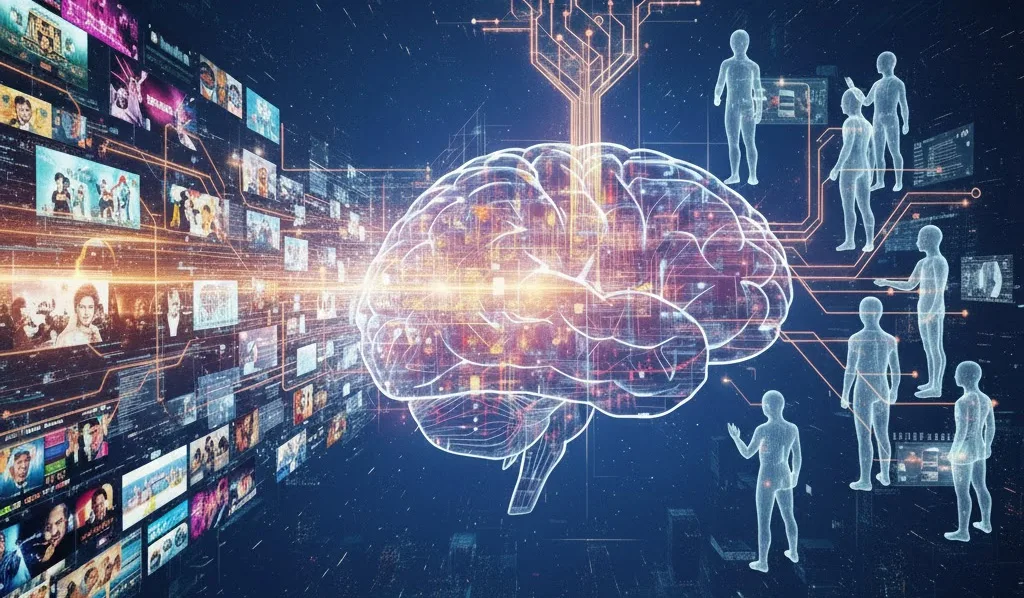

En esta tribuna, Eduardo del Río Dutú, abogado en Bardají & Honrado, aborda una sentencia europea que podría marcar un antes y después sobre el entrenamiento de modelos de inteligencia artificial con obras protegidas. Y es que entrenar sin autorización deja de ser una zona gris.
En las últimas semanas se ha añadido un nuevo hito europeo al debate entre Propiedad Intelectual e Inteligencia Artificial: la sentencia del Landgericht München I (Tribunal Regional de Múnich I) de 11 de noviembre de 2025, asunto 42 O 14139/24 (GEMA vs. OpenAI). En este asunto, el tribunal concluyó que, cuando un modelo “memoriza” letras protegidas por derechos de autor y puede reproducirlas (ya sea de forma parcial o con variaciones) a partir de prompts sencillos, esa fijación en el modelo equivale a un acto de reproducción, relevante a efectos de derechos de autor, atribuyendo además la responsabilidad al operador del sistema.
Este enfoque contrasta con la línea estadounidense que, en resoluciones recientes como el caso “Anthropic”, ha empezado a diferenciar entre entrenamiento con copias obtenidas legítimamente y usos ilícitos, abriendo la puerta a defensas de fair use. En Europa, sin embargo, el fallo de Múnich apunta a una interpretación más estricta, al negar que cubran la “memorización” que permite reconstruir obras protegidas a través de los outputs, reforzando así la presión hacia licencias de entrenamiento y deberes de diligencia para los desarrolladores.
La “memorización” como acto de reproducción
El principal argumento de la entidad de gestión demandante (GEMA) se centraba en que el uso de letras de canciones para entrenar modelos de IA generativa implicaba una infracción de los derechos de autor de sus representados. El tribunal ha aceptado esta argumentación, confirmando que la “memorización” de obras lingüísticas en un modelo de IA equivale a una fijación material y, consecuentemente, a la reproducción de las mismas.
El tribunal confirma que la “memorización” de obras lingüísticas en un modelo de IA equivale a una fijación material y, consecuentemente, a la reproducción de las mismas.
Según la sentencia, aunque la obra no se almacene como un archivo de texto tradicional, queda integrada en la estructura del modelo de tal forma que puede ser “percibida indirectamente” a través de los resultados (outputs) que genera el sistema. Esta interpretación es muy relevante, por cuanto equipara el proceso interno y técnico del entrenamiento de la IA con el concepto tradicional de “reproducción”. Se descarta de este modo la idea de que los datos simplemente “atraviesan” el modelo para extraer patrones abstractos, pues el tribunal considera que hay una fijación que permite una posterior exteriorización de la obra, ya sea total o parcial.
La excepción de minería de textos y datos, y sus límites en el entrenamiento de IA
Contra la argumentación de la entidad de gestión, las entidades demandadas alegaron que su actividad estaba amparada por excepciones legales, concretamente entendieron que las reproducciones están cubiertas por las excepciones de minería de textos y datos, lo cual abarcaría las reproducciones realizadas para entrenar a modelos de IA.
La “memorización” constituye una reproducción autónoma, que permite la reaparición de las obras en los outputs del sistema y afectaría directamente a los intereses de explotación de los autores.
Sin embargo, el tribunal alemán distingue con claridad entre la fase de creación del conjunto de datos (dataset) and the fase de entrenamiento del modelo de IA. Mientras que la primera podría considerarse una reproducción meramente instrumental y, por tanto, amparada por la excepción de minería de datos, la segunda implicaría una incorporación completa de las letras de las canciones en los parámetros del modelo. Esta “memorización” constituye así una reproducción autónoma, que permite la reaparición de las obras en los outputs del sistema y afectaría directamente a los intereses de explotación de los autores.
Partiendo de esta premisa, el tribunal entiende que dicha memorización quedó efectivamente acreditada al comparar las letras originales con las respuestas generadas por la IA, que era capaz de reproducir fragmentos concretos de las canciones ante solicitudes tan sencillas como “¿Cuál es la letra de […]?” o “Por favor, dime también la segunda estrofa”.
La sentencia concluye que la excepción no cubre el acto de “alimentar” al modelo con las obras protegidas. Este razonamiento cierra una potencial vía de escape para los desarrolladores de IA.
La responsabilidad del operador del modelo de IA
Otro de los pronunciamientos relevantes de la sentencia es la atribución directa de responsabilidad a los operadores de los modelos de IA. De este modo, el tribunal no entra a analizar la autoría del resultado generado por la IA, sino que apunta directamente a quien desarrolla, controla y explota comercialmente el modelo de IA, concluyendo que son los operadores los responsables de las infracciones que se materializan a través de los outputs de sus sistemas.
El tribunal no entra a analizar la autoría del resultado generado por la IA, sino que apunta directamente a quien desarrolla, controla y explota comercialmente el modelo de IA.
Atendiendo a la responsabilidad de los operadores, la sentencia establece las siguientes consecuencias: la cesación de la actividad, ordenando a las demandadas que dejen de reproducir las obras no autorizadas; la rendición de cuentas, obligando a las demandadas a proporcionar información detallada sobre el alcance del uso de las obras y los ingresos obtenidos, y la indemnización, debiendo compensarse a los titulares de los derechos por los daños y perjuicios ocasionados.
¿Qué puede suponer este pronunciamiento?
La sentencia de Munich marca un antes y un después en el debate sobre el entrenamiento de modelos de inteligencia artificial con obras protegidas. A partir de ahora, resulta mucho más difícil sostener que estos usos quedan al margen del derecho de autor o que pueden ampararse sin más en excepciones legales pensadas para otros fines.
En la práctica, esto obliga a los operadores de IA a make decisions. O bien revisan y depuran sus conjuntos de datos, asegurando que cuentan con derechos suficientes para entrenar sus modelos, o bien asumen un riesgo jurídico cada vez mayor. El mensaje del tribunal es claro: entrenar sin autorización ya no es una zona gris, sino un terreno que puede derivar en reclamaciones y responsabilidades por infracciones de derechos de autor.
Para los titulares de derechos, la resolución refuerza una posición negociadora que hasta ahora era débil. Se abre la puerta a un mercado más estructurado de licencias de entrenamiento, en el que el uso de obras protegidas deje de ser un hecho consumado y pase a ser un elemento contractual.
El mensaje del tribunal es claro: entrenar sin autorización ya no es una zona gris, sino un terreno que puede derivar en reclamaciones y responsabilidades por infracciones de derechos de autor.
Este giro jurisprudencial coincide, además, con el avance del primer borrador del Código de Prácticas sobre transparencia del contenido generado por IA, impulsado por la Comisión Europea en desarrollo del artículo 50 del Reglamento de IA. El Código anticipa obligaciones de marcado legible por máquina y etiquetado de determinados contenidos generados por IA, reforzando las exigencias de transparencia que pronto serán plenamente aplicables a proveedores y usuarios profesionales.
Consideradas conjuntamente, la sentencia de Múnich y el avance de estos trabajos regulatorios apuntan hacia una evolución del marco jurídico aplicable a la IA en la que el entrenamiento, la generación y la difusión de contenidos dejarán progresivamente de situarse en zonas de indefinición. Todo indica que el desarrollo y explotación de sistemas de IA tenderán a estar cada vez más condicionados por límites jurídicos explícitos, con mayores exigencias de diligencia y responsabilidad para los operadores que controlan y se benefician de estas tecnologías.
Eduardo del Río Dutú
Abogado en Bardají & Honrado
Did you like this article?
Subscribe to our NEWSLETTER and you won't miss anything.
Related articles
 ¿Es legítimo el entrenamiento de una IA? El caso de Anthropic
 Riedel aúna arbitraje deportivo, entrenamiento y producción con el ecosistema RefSuite
 RTVE and MOD Productions begin filming 'The Lawyers'
 Emplazamiento de producto en cine y televisión: claves, límites y precauciones
 MediaKind shows at IBC its potential as a technological partner for unlimited streaming
 Comienzan las pruebas de compatibilidad entre 5G y TDT en la banda de 700 MHz en España
 Cómo traspasar los límites de un playout en la nube
 Recordings begin for 'The Container', produced by Shine Iberia for Atresmedia
 Comienzan en Madrid las obras del que será el mayor Autocine de Europa
 K2000 and La Competencia begin filming a new series for ETB
 Las afiliadas de CBS comienzan a sustituir sus enlaces microondas por equipos ENG con conectividad 3G/4G
 Unidad Astronómica y Derivas Films comienzan a rodar ‘Sobrenatural’ en 4K con RED One
 The audiovisual clusters begin to coordinate actions within the CAVE Network
 Producciones Aparte y Antena 3 comienzan el rodaje de ‘El alzamiento nacional’