





DaVinci Resolve: up to 16 grading in 2D, 3D and HDR for 'Avatar: Fire and Ash'
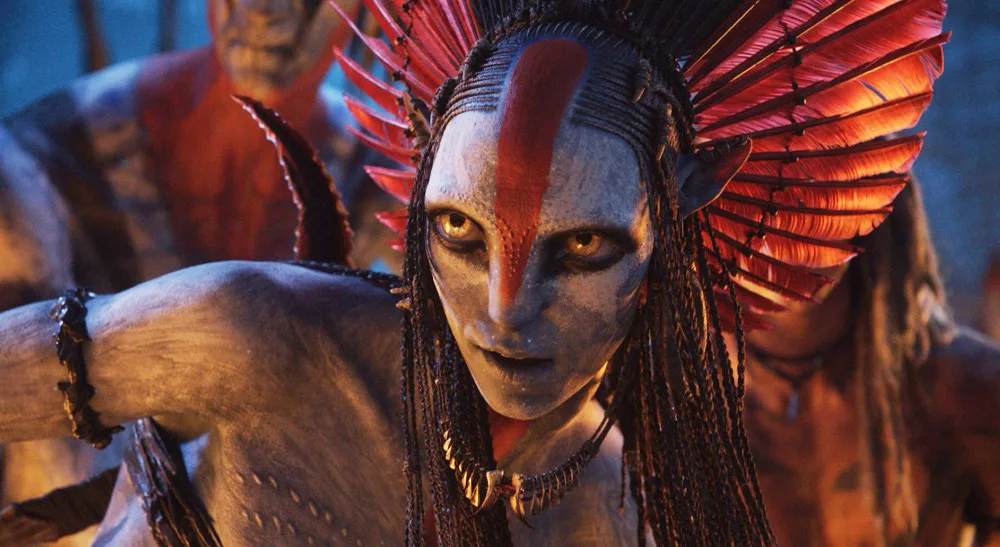
'Avatar: Fire and Ashes', the third installment of James Cameron's saga, came to life in the grading room under the direction of Tashi Trieu, who opted for DaVinci Resolve (Blackmagic Design) for color correction and its adaptation to the different versions of the feature film: 2D, 3D and HDR.
In Avatar: Fire and Ash, James Cameron transports the audience back to Pandora, in a new adventure that revolves around Jake Sully, Neytiri and the Sully family. Produced by James Cameron and Jon Landau, the film once again breaks down the limits of film technology to create a feature-length film guided by spectacularity that has reached theaters in different formats. The adaptation to each one of them was carried out by the colorist Tashi Trieu: “As is his custom, Jim requested that multiple projection masters be created at different lighting levels, frame rates, aspect ratios, etc., so that all viewers could see an optimal presentation, from any cinema screen.”
Trieu expanded the mastering process to generate up to 16 master copies for movie theaters, which included 2D and 3D versions for the HDR by Barco high dynamic range projection system. The feature film was divided into 15 ribbons, each of which was managed as a separate project in DaVinci Resolve Studio, within multiple timelines for delivery.
Grading for Dolby 3D was used as the main color reference, from which the other deliveries were derived and adjusted according to specific requirements. To maintain organization across the entire delivery set, Trieu created a nodal structure fixed with dedicated sections for technical adjustments, baseline grading, and sized versions, and used DaVinci Resolve Studio tools to make it easy to track changes during review sessions.
Coordinating versions with DaVinci Resolve
Con multiple timelines in play, Trieu made use of the capabilities of DaVinci Resolve Studio to extend grading and resizing in all versions, particularly when the deliveries had the same aspect ratio. Also, in order to keep pace with the visual effects modifications and stereoscopic revisions, Trieu developed and expanded a custom script library in DaVinci Resolve Studio, including tools specifically tailored for the series of Avatar.
These sequences allowed automate important upgrade steps, which allowed new takes to be shaped and changes applied to all different versions, significantly reducing manual labor: “With the push of a button, I could update the timeline index, import new takes, merge stereoscopic content, copy grading settings and group assignments, and propagate updates across different versions of the timeline. This way, I could make more of my time and dedicate it to the creative process.”
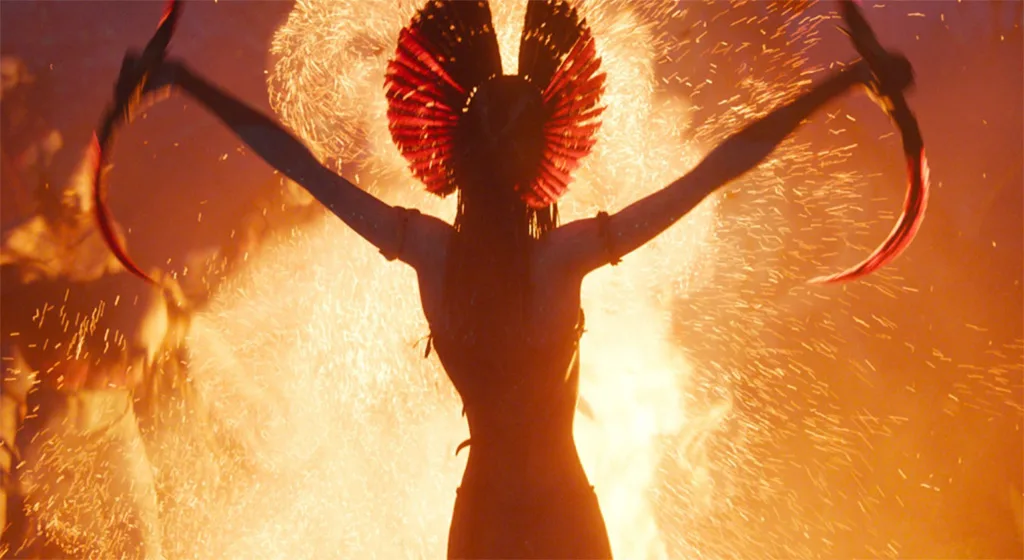
Trieu also pointed out the sequences in which chromatic continuity was of vital importance. Among them is a confrontation scene on the beach, illuminated by intense blue-green flashes and the warm tones of fire, which required a careful balance between long shots and close-ups to prevent the cuts from appearing too abrupt.
Did you like this article?
Subscribe to our NEWSLETTER and you won't miss anything.
Related articles
 DaVinci Resolve: 16 grades in 2D, 3D, and HDR for “Avatar: Fire and Ash”
 3D cinema is timidly revived in Spain thanks to the success of 'Avatar: fire and ash'
 RKB acquires 20 DaVinci Resolve licenses to edit its television content
 DaVinci Resolve, key software for the latest summer blockbusters
 Grader Siggy Ferstl Supports 'Avatar: The Last Airbender' VFX Teams with DaVinci Resolve
 DaVinci Resolve, chosen for grading of 'Reality' (HBO Max)
 DaVinci Resolve 18.1 now includes vertical resolutions for social media
 DaVinci Resolve, chosen to grade in HDR 'Ku'damm 63'
 Pigment switches to DaVinci Resolve for HDR and IMF grading
 VRT opts for DaVinci Resolve for post-production
 Oscar winner Claudio Miranda trusts DaVinci Resolve Studio and DaVinci Resolve Mini Panel from Blackmagic
 DaVinci Resolve 12: a tool for video post-production… very seriously
 Blackmagic Design Releases Most Significant DaVinci Resolve Update Yet
 DaVinci Resolve: the challenge of digitally grading 'Avatar'