





Tedial integra el uso del e-VTR de Sony en la digitalización
Con la integración del e-VTR MSWM2000P/BKMW-E3000 de Sony, Tedial facilita el flujo de digitalización de grandes volúmenes de material en este formato.
A lo largo de la historia de la televisión, la cinta ha pasado por innumerables formatos, aunque posiblemente sea el Betacam, introducido por Sony en 1982, el formato en sus versiones SP, Digital, SX y MPEG IMX, el más extendido por todo el mundo. Para tener una idea del volúmen de material en este formato, valga reseñar que Televisión Española, por ejemplo, cuenta en sus archivos con más de 80.000 horas. Una de las grandes ventajas de la gama Betacam es que está diseñada para ser compatible con las diferentes variantes existentes, garantizando la lectura de los formatos previos por el nuevo formato Betacam.
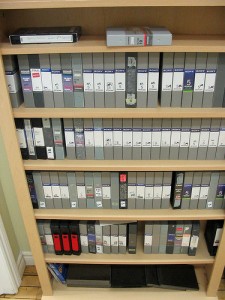 Los magnetoscopios MPEG IMX, introducidos por Sony en 2001, pueden reproducir todos los formatos Betacam previos. Sony introdujo posteriormente el concepto e-VTR para facilitar la transmisión por IP a través de una conexión Gigabit de archivos MXF con material D10 MPEG-2 IMX. Una ventaja adicional de las cintas Betacam en formato IMX es que podemos extraer el material MPEG-2 sin necesidad de codificación y a velocidad 2x.
Ahora Tedial, ha integrado el e-VTR MSWM2000P/BKMW-E3000 de Sony en el flujo de digitalización de archivos de vídeo en los diferentes formatos Betacam. El e-VTR está conectado a la red de datos y es controlado por el agente de ingesta del Media Process Manager, haciendo innecesaria la utilización de estaciones o videoservidores de digitalización. La automatización de la digitalización de una videoteca requiere tener en cuenta los diferentes casos que aparecerán: cintas multiclip, clip multicinta, cintas con barras de color y/o segmentos separadores en negro, cintas con TC discontinuo. Por tanto, se hace imprescindible establecer un proceso de control de la digitalización para extraer los clips y catalogarlos correctamente a partir de la información almacenada en la base de datos de la videoteca.
Mediante el sistema de gestión de procesos de producción Ficus de Tedial, los operadores reciben las órdenes de digitalización. Introducirán las cintas Betacam en el e-VTR o en la librería de cintas Flexicart. Los archivos MXF con material D10 MPEG-2 IMX generados por el e-VTR son transferidos en directo al sistema de almacenamiento gestionado por AST, que es el sistema HSM distribuido de Tedial. En tiempo real el MPM genera una copia proxy en formato H.264 con audioAAC. Utilizando la copia Proxy el operador definirá los clips existentes en la cinta o creará una EDL de segmentos pertenecientes al mismo clip. Todas las operaciones de edición al corte creadas por el operador son ejecutadas de manera automática por el MPM. Los archivos MXF con material D10 MPEG-2 IMX son conformados de acuerdo con el estándar SMPTE-378M, se genera el storyboard y se indexan, tanto la copia alta calidad MXF con material D10 MPEG-2 IMX, como la de baja H.264, para facilitar la recuperación parcial de media. Por último, todos los archivos de media, archivos auxiliares y metadatos asociados, son ingestados en TarsysS/AST, que es el sistema de gestión de contenidos de Tedial. La incorporación del e-VTR de Sony al flujo de digitalización de videotecas de cintas Betacam representa una simplificación importante del proceso de digitalización, haciendo innecesario el uso de sistemas de automatización.
Did you like this article?
Subscribe to our NEWSLETTER and you won't miss anything.
Related articles
 Nine Network integrates Sony ILME-FR7 large-sensor PTZs into its new news studio
 Tedial joins the Google Cloud Partner Advantage program
 Sony Professional Solutions designs and integrates Polsat's new 4K HDR IP mobile unit
 Sony presents MemnonBox, its new on-demand digitization service
 Industrial digitalization will increase operators' income by 36% in 2026
 AMC Networks International Iberia upgrades Tedial MAM System to Tedial Evolution
 Euro Media Group integra dos servidores PWS-4500 de Sony para la producción en directo de 4K UHD
 Data Media integrates the new system of digitization, archiving and distribution of content in the Senate
 Tedial anuncia la plena integración con Sony Optical Disc Archive
 Tedial and RTVE present the digitalization project of the RTVE historical archive at the FIAT IFTA annual conference in Dubai
La digitalización es clave para el desarrollo del pay-tv en Centroamérica
Tedial and RTVE present the digitalization project of the RTVE historical archive at the FIAT IFTA annual conference in Dubai
La digitalización es clave para el desarrollo del pay-tv en Centroamérica
 Publisuisse integra Sony Media Backbone como principal sistema SOA para la gestión del flujo de trabajo
 Digitalización del archivo histórico de cine de Galicia
 Zon Lusomundo completes its digitalization with Barco