





Camera on the shoulder and S16, the basis of Alfonso Postigo in 'Yo, also'
“Creo que el director de fotografía debe ser un apoyo para el director. Al fin y al cabo, de lo que se trata nuestro trabajo es de trasladar su visión a imágenes que apoyen el contenido de la película”, ha comentado el director de fotografía Alfonso Postigo a con motivo de su último trabajo en Yo, también, la ópera prima de Antonio Naharro y Álvaro Pastor.
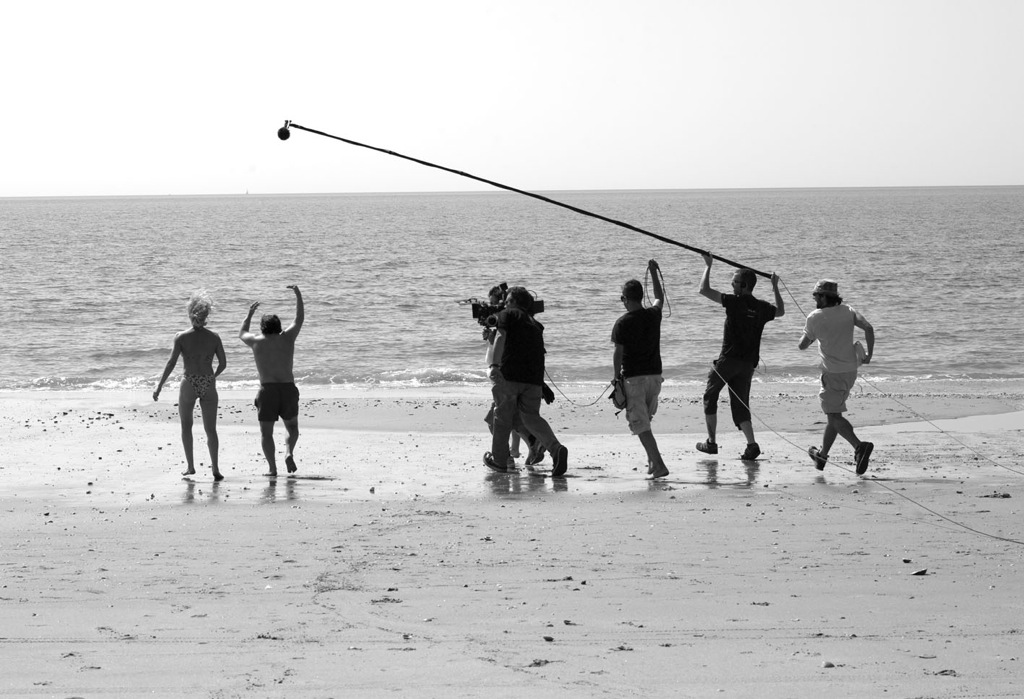
Alfonso Postigo se ha enfrentado en su último trabajo, Yo, también, a un proceso de rodaje no convencional ya que a los directores Antonio Naharro y Álvaro Pastor les gusta improvisar con los actores e ir modelando en cada toma su proyecto. Alfonso Postigo, quien ya había colaborado con Pastor y Naharro en Invulnerable (2005), un corto muy premiado que, ha comentado a que en Yo, también el objetivo era “sacar adelante un plan de rodaje muy apretado con muchas localizaciones en sólo cinco semanas, con un presupuesto ajustadísimo y cumpliendo ciertos requisitos estéticos”.
Detrás de la producción de Yo, también están Alicia Produce y Promico Imagen con Julio Medem, Koldo Zuazua y Manuel Gómez Cardeña como productores, estos dos últimos también en la producción ejecutiva, y Verónica Díaz en la dirección de producción. Precisamente Koldo Zuazua, que ya se había interesado por Invulnerable, fue quien llevó el proyecto de Yo, también -cuentan los directores- a Alicia Produce, la productora de Julio Medem, que mostró una sensibilidad especial con el proyecto. Julio Medem, por su parte, considera esta película una “película suerte” y entre los progenitores, además de los autores-directores Antonio Naharro y Álvaro Pastor (en la foto), incluye a Koldo Zuazua como “auténtico patriarca de esta historia”.
La relación que aborda la película, que no deja de ser complicada, se concibió buscando ahondar en los sentimientos y la soledad de sus protagonistas, un chico con síndrome de Down (Pablo Pineda) y una mujer sin discapacidad (Lola Dueñas), dos trabajadores sociales que se conocen en el entorno laboral. En palabras de los directores… “Hay dos ciudades en la película, Sevilla y Madrid, como hay dos protagonistas y dos mundos que se cruzan. Y un viaje que para ambos representará un cambio hacia adelante en sus vidas. Para Laura supondrá el reencuentro con el pasado. Para Daniel será el principio de la madurez”. Los dos protagonistas se han llevado concha de plata en el festival de cine de San Sebastián 2009 por sendas interpretaciones.
Puesta en escena desnuda
El rodaje de Yo, también empezó el 22 de septiembre de 2008 y tuvo lugar en su mayor parte en Sevilla, cuatro semanas en localizaciones del centro histórico y en Triana, y también en Huelva, en la playa de Mazagón. Una quinta semana se rodó en Madrid, donde finalizó el rodaje ahora hace un año.
Con respecto a la narrativa de Yo, también se decidieron por una puesta en escena desnuda, cámara al hombro y buscando una iluminación realista y un rodaje ligero. “La decisión de rodar cámara en mano viene dada, por un lado, por una cuestión estética. Gran parte de las referencias que manejábamos iban en ese sentido, por ejemplo Wonderland, y Rompiendo las olas. Pero, sobre todo, porque por la forma de trabajar de Álvaro y Antonio durante el rodaje, la cámara en mano nos daba una flexibilidad enorme”, dice Alfonso Postigo, y lo explica: “Ellos se plantean la película como un proceso muy vivo y en constante evolución. Preparan el proyecto con mucha antelación, especialmente el trabajo con los actores y el guión, que no deja de evolucionar. Este margen a la improvisación se traslada también al momento mismo de dar motor. Antonio sigue dando indicaciones al actor, que reacciona a estos estímulos y hace que cada toma sea diferente. Y en el caso de Pablo Pineda, sin experiencia previa como actor, este sistema se lleva todavía más lejos, hasta el punto de que él sentía lo que le estaba pasando al personaje en ese momento, lo cual, dicho sea de paso, era una auténtica paliza para él”.
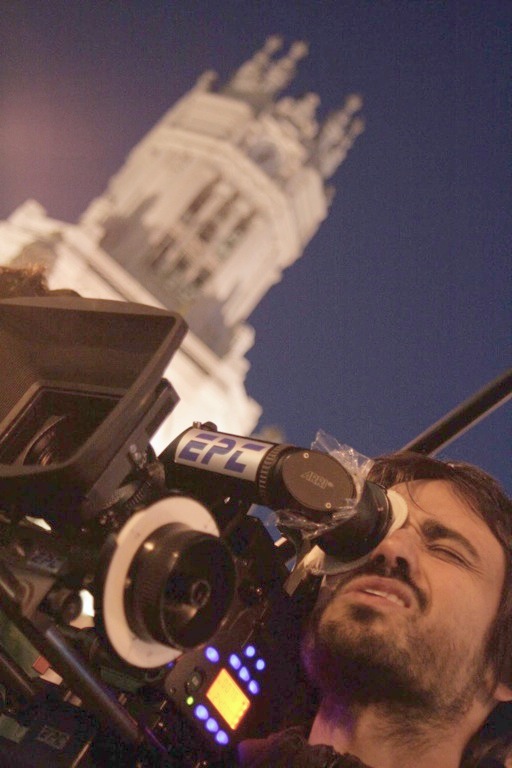 Cámara al hombro
Como destacada a , Alfonso Postigo, llevar la cámara en mano en esta producción permite reaccionar ante estos cambios y, a la vez, estar en sintonía con un tipo de interpretación muy naturalista donde nada debe parecer demasiado preparado, y la cámara está atenta a lo que está sucediendo en ese momento. “Un poco como sucede en un documental. Además, creo que es un sistema que encaja con ese método de dirección de actores que busca despojar de cierto artificio a la interpretación y aporta una sensación de inmediatez. Al igual que un actor puede cambiar un gesto o un movimiento, la cámara tiene una cierta libertad para tomar decisiones ‘de última hora’ que refuercen la narración o el estado emocional de un personaje”, asegura Postigo.
Alfonso Postigo destaca en su conversación con el trabajo de Eva Aycart, la ayudante de cámara, que también tenía que improvisar a menudo por estas variaciones y la práctica ausencia de marcas para los actores. También estaban en el equipo técnico de cámara Paco Cano, auxiliar de cámara, y Cristina Cerezo, meritoria de cámara, con Álvaro Cañal como técnico de vídeo. Completan el equipo, Alejandro Espadero, cámara 2ª unidad, con Juan González Rebollo como ayudante de cámara.
In Yo, también sólo hay una secuencia que está rodada sobre trípode y es cuando Daniel (Pablo Pineda) sueña con sus compañeras de oficina. “Quisimos rodar con cámara fija para separar ese mundo onírico de Daniel de la realidad, que era cámara en mano. Reforcé esa extrañeza cambiando el ángulo de obturación a 45º, con lo que se le daba al movimiento de las actrices un aspecto artificioso y se generaba un parpadeo en los fluorescentes de la oficina que reforzaba ese ambiente irreal”, destaca el director de fotografía.
Un rodaje en S16
Yo, también está rodada en Super 16mm, una elección que, junto con la del material de cámara, venía un poco condicionada por el presupuesto, porque rodar en 35mm no era una opción, y hasta se llegó a abandonar la idea de rodar en negativo porque les parecía inviable.
“Pero poco a poco se fue retomando la idea cuando nos convencimos de que no sólo no era mucho más caro sino que haría el rodaje más ágil y se adaptaría mejor a nuestras circunstancias. Es verdad que hoy por hoy la respuesta de ciertas cámaras de HD a la subexposición es impresionante pero no habría sido tan operativo, por ejemplo, subirse a la parte de arriba de un autobús turístico y rodar cámara en mano con una F23 en un sólo recorrido”, explica Alfonso Postigo a .
Además, preferían el negativo a cualquier formato digital por más razones. “No sólo por el mayor rango dinámico y espacio de color sino porque el grano, que se hace más evidente en S16, aportaba una textura que encajaba mejor que el aspecto algo más frío y ‘limpio’, en cierto sentido, del digital. Creo que la aleatoriedad del grano, ese aspecto algo más imperfecto, junto al uso de la cámara en mano encajaba mejor con el estilo de película que Antonio y Álvaro querían hacer, y además aportaba un cierto carácter unificador a la película”, añade.
Alfonso Postigo también cree que el negativo es más permisivo con las condiciones extremas de rodaje como era el caso de Yo, también. “No sólo por la mayor latitud en las altas luces sino porque en situaciones en las que la iluminación no puede estar tan matizada, el aspecto que da el negativo es mucho más ‘agradecido’. Utilicé película Kodak 7229 500T Expression por su latitud, especialmente en las bajas luces. Como esta emulsión tiene características especiales, entre otras cosas es algo más granulada, no cambié de película en los exteriores día para mantener una cierta consistencia en toda la película”, explica.
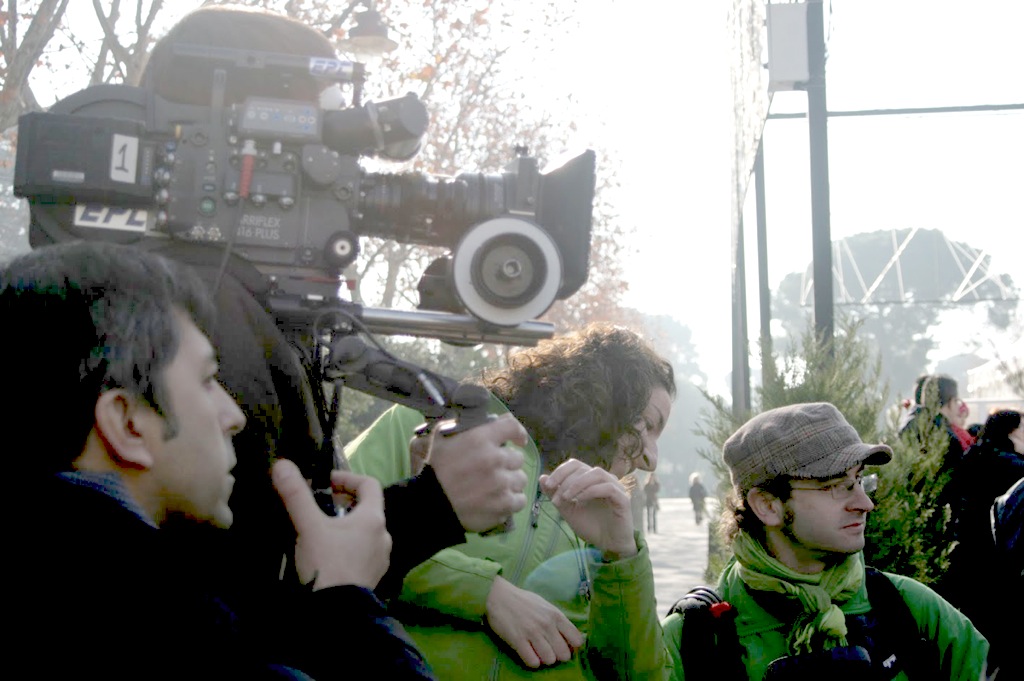 Equipo de cámara
El equipo de cámara fue suministrado por la casa de alquiler EPC. Gran parte del rodaje se hizo con Arriflex 16 SR3, y también eligieron la Arri 416 Plus, que a Alfonso Postigo le parece una cámara más avanzada y le gusta más “por su ligereza, fiabilidad y comodidad para trabajar cámara en mano, y por su visor, mucho más brillante que el de la SR3”. Las ópticas, también elegidas en base al presupuesto que tenían, fueron la serie fija de Zeiss 1.3 para S16, y un zoom Zeiss 11-110 T2.0, “con una calidad óptica aceptable, aunque bastante lejana a la calidad de los zooms modernos, y algo inferior a la serie fija que llevábamos”, opina el director de fotografía.
“Había que tener cuidado con el viñeteo que se producía en ciertas focales cuando el foco estaba en menos de un metro. El zoom lo intentaba utilizar lo menos posible aunque a veces Álvaro lo prefería por cuestiones de rapidez o porque quería cambiar de focal durante la toma. En esos casos, intentaba no mezclarlo con las ópticas fijas dentro de la misma secuencia”. A excepción de la secuencia del autobús en Navidad donde sólo disponían de un recorrido para rodar todos los planos posibles. “No podíamos cambiar de objetivo con rapidez en tales circunstancias, más aún cuando estábamos subidos en un autobús en marcha. En este caso, también tuve que forzar la película porque no tenía diafragma suficiente”, ha comentado Postigo a .
Iluminar como en documental
Aunque para Alfonso Postigo Yo, también no es una película en la que hubiera grandes desafíos técnicos, sí nos cuenta algunos ejemplos de cómo trabajó la iluminación, como señala para los exteriores noche decidió utilizar un sistema muy práctico al que recurre cuando rueda documentales. “Siempre que es posible, utilizo la luz propia de la localización como base. Esto me permite no tener que iluminar espacios amplios con aparatos grandes, grupo electrógeno, etc, porque los fondos los tengo cubiertos con la luz ambiente. A partir de ahí, ilumino el espacio donde se van a mover los actores, centrándome en reproducir con mi luz lo mejor posible las características de las fuentes disponibles en el lugar, en términos de dirección intensidad, temperatura de color y espectro cromático, buscando que se integre bien en el espacio y que funcione a la vez para la escena. Eso supone casi siempre trabajar con niveles muy bajos para no perder los fondos y por consiguiente con diafragmas muy abiertos, a veces incluso forzando la película”, ha admitido Alfonso Postigo.
Por ejemplo, en el exterior del Puente de Triana, cuando los protagonistas se despiden, rodaron a 1,3 de diafragma. “Para conseguir la integración de la luz en ésta y otras secuencias de exterior noche, la luz principal consistía en una lámpara de sodio del mismo tipo que la de las propias farolas de la calle, que consiguió el gaffer Miguel Angel Cárdenas, montada en un pequeño globo. Rodar de este modo los exteriores noche ahorraba además mucho tiempo y permitía cumplir el plan de rodaje”, asegura el director de fotografía. Y otra técnica que utilizó Alfonso Postigo en muchos interiores, “copiada de Dante Spinotti”, asegura el director de fotografía a , fue rellenar utilizando unas mallas guirnaldas de luces de Navidad. “Cada malla tenía unas 400 minilámparas que metíamos en regulación. Se grapaban al techo y proporcionaban un relleno muy controlable y nada direccional gracias a la multitud de puntos de luz”.
Did you like this article?
Subscribe to our NEWSLETTER and you won't miss anything.
Related articles
 ARRI develops Alexa 35 Base, a new basic model with flexible licenses
 'Camera-kinesis': Manuel Balseiro compiles an entire treatise on camera movement
 Ikegami launches BSX-100 3G fiber base station
 The Hispasat 36W-1 is already at the Kourou launch base
 Sony PXW-Z450: a 4K XDCAM shoulder camcorder with a 2/3″ 4K image sensor
 JVC launches new shoulder camcorders with connectivity to 4G/LTE networks
 JVC presentará en IBC su nueva cámara de hombro GY-HM70
 V Campeonato Mundial de Salto Base patrocinado por IEC
 ProHD GY-HM750: JVC's new shoulder camcorder streamlines your workflow
 Audience measurement: the best league in the world, shoulder to shoulder
 Sony PMW-320, the first XDCAM EX shoulder camcorder
 AG-HMC81, la nueva AVCCAM de hombro profesional de Panasonic
 AG-HPX371 P2 HD, new shoulder camcorder from Panasonic
 JVC-HM700: first shoulder camcorder that records on SDHC cards