





The EBU lays the foundations for the development of hybrid TV
La Unión Europea de Radiodifusión (UER/EBU) ha hecho públicos una serie de principios que deberán regir el desarrollo de plataformas de televisión híbrida con conexión a Internet a fin de ofrecer costos más bajos, una mayor elección y una mejor experiencia visual para los consumidores.
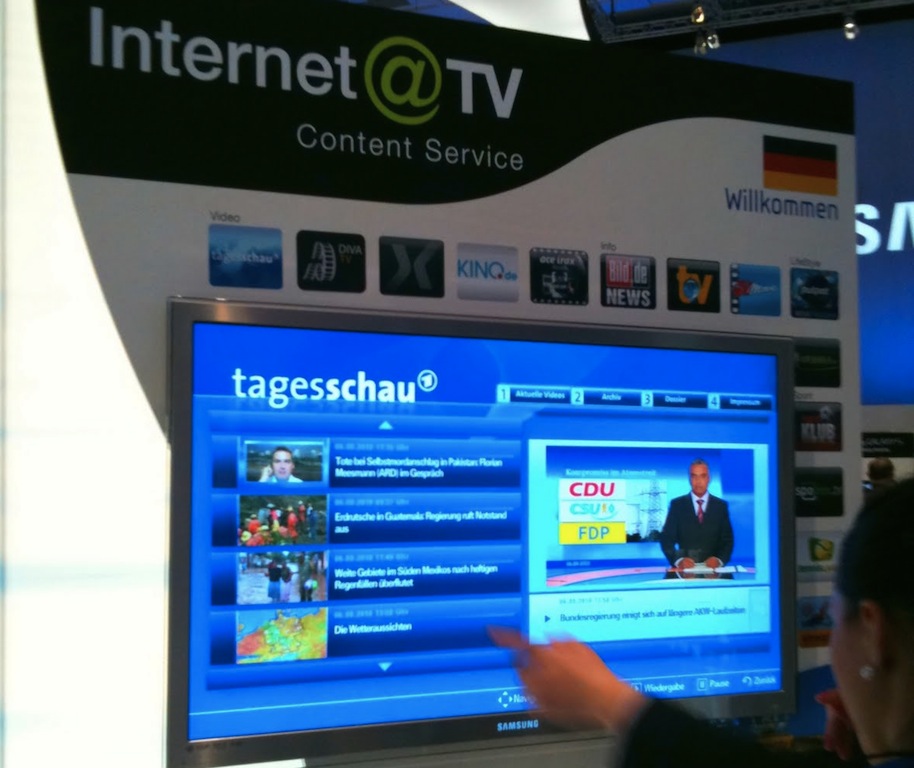
La Unión Europea de Radiodifusión (UER/EBU) ha hecho públicos una serie de principiosque deberán regir el desarrollo de plataformas de televisión híbrida con conexión a Internet a fin de ofrecer costos más bajos, una mayor elección y una mejor experiencia visual para los consumidores.
Ingrid Deltenre, director general de la UER, ha señalado que “solo soluciones comunes podrán liberar todo el potencial de la TV híbrida y conectada y ofrecer la mejor experiencia posible para los espectadores y el éxito de los sistemas híbridos. Además, el contenido debe ser de fácil acceso”.
Si bien estos prinicpios buscan defender a los usuarios, la UER ha hecho también un fuerte énfasis en la protección de los intereses de los broadcasters defendiendo que la radiodifusión híbrida debería “seguir alentando la inversión y permitir que los organismos de radiodifusión logren sus resultados”.
Proyectos como HbbTV, MHEG-5, MHP y YouView han estado desarrollando los sistemas técnicos que permiten a los usuarios acceder directamente a los contenidos de Internet asociados con el contenido de la emisión mientras ve un programa de televisión, así como el acceso al contenido no lineal, como el vídeo bajo demanda.
Sin embargo, el uso de tecnologías diferentes en el mismo mercado para el mismo tipo de sistema puede convertirse en un obstáculo crucial para el éxito, de acuerdo con la UER, que postula que la tecnología estandarizada alienta una mayor competencia entre proveedores, costos más bajos y más posibilidades de elección para los consumidores.
Principios básicos propuestos por la UER/EBU
- Las plataformas y los dispositivos deben adaptarse a los sistemas que permiten a los organismos de radiodifusión y otros proveedores de contenido proporcionar un vínculo entre sus ofertas lineales y no lineales
- Los espectadores deben tener acceso directo a las oferta no lineal del radiodifusor ??al ver uno de sus canales
- Los programas de los broadcasters lineales y no lineales y servicios que se muestren en dispositivos híbridos deberán ofrecerse sin alteraciones y sin interrumpir la experiencia de visualización
- Los sistemas híbridos no debe permitir la superposición de contenido de terceras partes o de comunicación comercial en televisión sin el consentimiento del broadcasters o de una decisión activa por parte del espectador
- Las mismas condiciones deben aplicarse a las comunicaciones comerciales que aparecen en cualquier lugar en la pantalla al mismo tiempo que la emisión de televisión
- Los portales de TV híbrida, los menús y pantallas de inicio deben garantizar un acceso no discriminatorio para todos los organismos de radiodifusión y los proveedores de contenidos
- Los organismos de radiodifusión que ofrecezcan servicios a la carta deben ser claramente visible y de fácil acceso en una categoría adecuada en el menú del televisor o pantalla de inicio
- Los espectadores deben ser capaces de disfrutar de una experiencia de canal, conm por ejemplo, la opción de ir directamente a su canal favorito y una lista de canales que se puedan personalizar
- Los espectadores deben ser capaces de acceder a cualquier sitio del portal o la aplicación proporcionada por el organismo de radiodifusión en la pantalla principal
- Si el sistema híbrido incluye un motor de búsqueda de media, el contenido de la emisora ??(tanto lineal y no lineal) deberá estar debidamente referenciados
- Debe ser posible para el espectador volver en cualquier momento al canal que vio por última vez por medio de un botón específico
- Los sistemas híbridos no deben utilizarse para eludir la regulación de radiodifusión
- Siempre debe haber una clara atribución de la fuente de contenido
- Los broadcasters debe ser capaces de solicitar la eliminación de widgets o aplicaciones que aparecen para facilitar el acceso a los contenidos pirateados
- La emisora ??debe tener la posibilidad (pero no la obligación) de usar cualquier gestión de derechos digitales para proteger las partes de su producción lineal o no lineal
- El área de presentación siempre debe permanecer visible durante la visualización del canal o servicio en cuestión
- Los sistemas híbridos deben respetar plenamente las normas europeas e internacionales en la recopilación, procesamiento y utilización de datos personales
- Los datos personales que contengan información operativa no podrá ser recogida y utilizada únicamente con el consentimiento fundamentado previo de los usuarios
- Los broadcasters deberán estar informados y tener acceso a cualquier dato que pueda ser recogido a través de sistemas híbridos relacionado con el uso de los programas y servicios
Did you like this article?
Subscribe to our NEWSLETTER and you won't miss anything.
Related articles
 Canon RF 85 mm f/1,4L VCM, un objetivo profesional pensado para la captura híbrida
 Catalan OTT platforms lay the foundations for cooperation
 ISE 2021 abre inscripciones para una edición híbrida
 Álvarez-Pallete lays the foundations for the Telefónica of tomorrow
 Iñigo de la Serna announces a strategic plan for the development of the drone sector for 2018
 Shotoku partners with CamMate to develop supports for virtual and augmented reality
 La industria audiovisual aborda el desarrollo de negocio en la televisión híbrida
 Europa traza las bases para un futuro mercado único digital
 ChyronHego offers graphic solutions for studio visualization and integration with databases at NAB
 Sony and Panasonic join forces to develop the Archival Disc standard for optical discs
 La industria audiovisual acuerda las bases para la prestación de servicios comerciales en tv conectada
La industria española consensúa el HbbTv como estándar para la tv híbrida
La industria audiovisual acuerda las bases para la prestación de servicios comerciales en tv conectada
La industria española consensúa el HbbTv como estándar para la tv híbrida
 Engel EN2000: un STB pensado para la tv híbrida
 24-key panel for Kroma hybrid intercom