





The new Amazonas 3 will integrate technology from RYMSA, Mier, Thales and Indra, among others
El satélite Amazonas 3, del grupo Hispasat, ha entrado en la recta final de su construcción. Será lanzado al espacio a principios del próximo año desde la base espacial de Kourou (Guayana Francesa) y se convertirá en el primer satélite que opere en banda Ka en Latinoamérica. Desde la posición orbital 61º Oeste, el satélite ofrecerá cobertura en todo el continente americano, Europa y norte de África durante sus más de 15 años de vida útil.
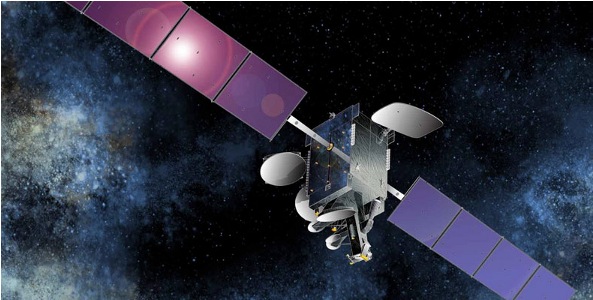
El satélite de telecomunicaciones Amazonas 3, cuyo lanzamiento está previsto para primeros del próximo año desde Kourou (Guayana Francesa), se encuentra en la recta final de su proceso de construcción en las instalaciones de Space Systems/Loral en Palo Alto, California. Tras más de dos años desde el comienzo del programa, el nuevo satélite, que será el décimo que Hispasat ponga en órbita, ha completado ya su fase principal de integración, así como la mayor parte de las pruebas funcionales, durante las cuales está siendo sometido a las condiciones extremas que soportará en el espacio.
El Amazonas 3 ha superado con éxito las pruebas que se han venido realizando con el objetivo de comprobar que el satélite será capaz de operar correctamente en su órbita geostacionaria a 36.000 kilómetros de la Tierra. Ha sido sometido a pruebas de vacío térmico, para comprobar que podrá funcionar a temperaturas exteriores que pueden oscilar entre los -170º C y los 125º C, así como a pruebas de vibración mecánica, que han confirmado que el satélite está preparado para sobrevivir al lanzamiento. Todos los subsistemas de la plataforma y carga útil del satélite se han verificado de manera exhaustiva. Cuando se haya completado todo el proceso de pruebas, el Amazonas 3 se enviará a la Guayana Francesa para lanzarlo al espacio a bordo de un Ariane 5 ECA a principios de 2013.
El satélite, fabricado a partir de la plataforma LS1300 de Space Systems/Loral, tiene una masa de lanzamiento de 6,2 toneladas, más de 26 metros de envergadura y 8 metros de altura, seis antenas (cuatro desplegables), una bocina para la transmisión de señales de telemetría y de baliza para apuntamiento desde tierra y una potencia superior a 14 kW al final de su vida útil.
Desde la posición orbital 61º Oeste, el satélite ofrecerá cobertura en todo el continente americano, Europa y norte de África durante sus más de 15 años de vida útil. Cuenta con 52 transpondedores simultáneos en las bandas Ku y C, así como con varios haces en banda Ka, lo que lo convierte en el primer satélite que opera en esta banda en Latinoamérica. La novedosa carga en banda Ka del Amazonas 3 posiciona a Hispasat como el primer operador en Latinoamérica que puede ofrecer servicios interactivos y aplicaciones multimedia vía satélite a una gran cantidad de usuarios, lo que permitirá extender el acceso a los mismos a una mayoría de la población.
De este modo, el satélite Amazonas 3, además de dar continuidad a los servicios actualmente prestados por Hispasat desde la posición orbital de 61º Oeste, contribuirá a universalizar el acceso a Internet en la región, lo que representa un importante salto para la reducción de la brecha digital en Latinoamérica.
Además, el Amazonas 3 ofrecerá otros servicios vía satélite, como son la difusión de plataformas de televisión, el despliegue de redes corporativas de telefonía fija y móvil o de tele-enseñanza y tele-medicina, banda ancha sin limitaciones geográficas ó soluciones integrales de comunicación para los operadores de telecomunicaciones.
Tecnología ‘made in Spain’
De acuerdo con su papel de motor de la industria aeroespacial española, el grupo Hispasat ha contado para la construcción del Amazonas 3 con la importante participación de varias empresas españolas como RYMSA (filtros de RF, híbridos, acopladores y adaptadores de RF en bandas Ku, C y Ka), Mier (divisores de potencia), Thales Alenia Space España (transmisor baliza, IMUX en bandas Ku y C y los trasmisores de telemetría en banda Ku), EADS CASA (antenas en bandas Ku -2 desplegables y 2 fijas- y Ka -desplegable-), GMV (sistemas de control del satélite desde tierra y de dinámica orbital), Indra (segmento Terreno de control del satélite) e INSA (estación de control en Canarias).
Did you like this article?
Subscribe to our NEWSLETTER and you won't miss anything.
Related articles
 Amazonas Nexus, Hispasat's new high-performance geostationary satellite, is now operational
 Hollyland shows its new Solidcom C1 Pro at NAB 2023, among many other solutions
 Avid Media Composer improves its interoperability with Pro Tools, among other new features
 Countdown to the launch of Amazonas Nexus, Hispasat's new satellite
 Canon lands at IBC 2022 with five 4K camcorders, among other new features
 Dalet CubeNG is updated with customizable workspaces, among other new features
 EXIM will finance the launch and initial operations of Hispasat's new satellite, Amazonas Nexus
 Gogo will increase its in-flight broadband connectivity thanks to the new Amazonas Nexus from Hispasat
 Hispasat awards Thales Alenia Space the manufacturing of the Amazonas Nexus
 Sapec goes to BIT Audiovisual with UHD, HEVC and SDI over IP solutions, among others
 Pedro Mier assumes the presidency of AMETIC with the aim of giving new impetus to the sector's employers.
 TSA will integrate EVS technology in studios 1, 2, 3 and 5 of Prado del Rey
 El nuevo Amazonas 3 brindará capacidad en banda Ka a Media Networks
 Hispasat awards Indra the supply of the Amazonas 4A control ground segment