





Codex recorders speed up the workflow in the filming of 'X-Men: Days of Future Past'
A combination of Codex's Onboard recorders, the XR camera recorder and Vault systems have made it possible to streamline the entire process of 3D and 3D material in ARRIRAW from the ARRI Alexa
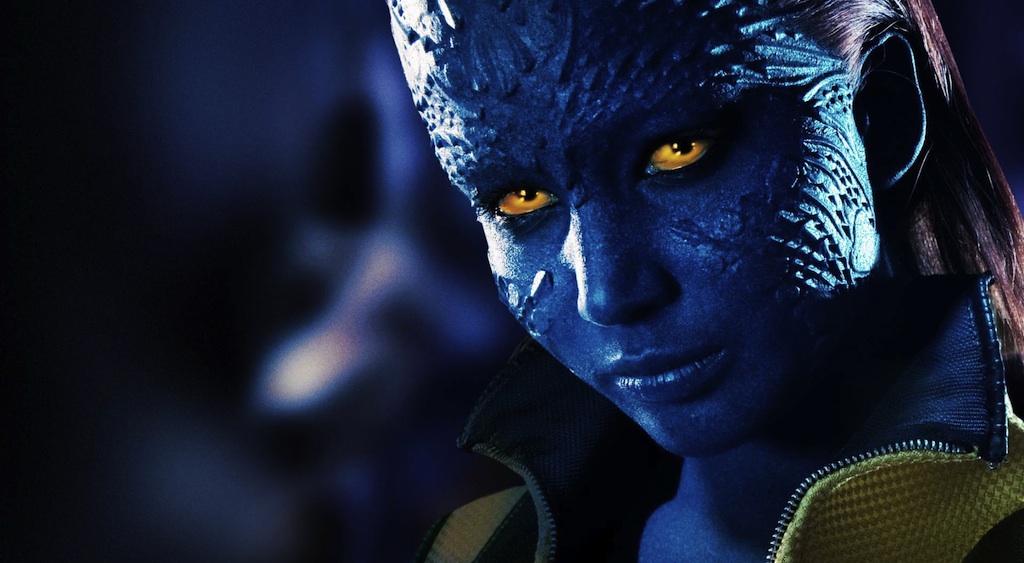
2oth Century Fox has used several recordists Codex to speed up the workflow in filming and post-production in the new film X-Men: Days of Future Past. A combination of Codex's Onboard recorders, the XR camera recorder and Vault systems have made it possible to streamline the entire process of 3D and 3D material in ARRIRAW from the ARRI Alexa, streamlining times as much as possible both on the filming set and in post-production.
X-Men: Days of the Future Past is directed by Bryan Singer, with Newton Thomas Sigel directing the photo. The cast includes, among others, Jennifer Lawrence, Michael Fassbender, Evan Peters, Hugh Jackman, Ellen Page, Anna Paquin, Ian McKellen, Patrick Stewart and Halle Berry.
Both Singer and Sigel have already worked together on X-Men y X-Men 2, testing with digital cameras for native 3D capture. However, it was in this latest installment of the saga when they chose to use the ARRI Alexa M and Alexa XT cameras with support for the Codex/ARRIRAW workflow.
Sigel admits that "I like the look of the Alexa. It gives a softer look compared to other digital cameras, with more midtones, more color variations, which gave a better look for this project. The camera was able to provide me with a lot of saturated colors in oranges, yellows and reds, which were easier to isolate, process and desaturate later."
Regarding the use of the Alexa XT, 3D systems supervisor, Ben Gervais, admits that "the Alexa
The second cinematography unit, under the cinematography direction of Larry Blanford, filmed in more remote locations, using Alexa XT and a Codex Vault system to view footage during filming and back up files during transport.
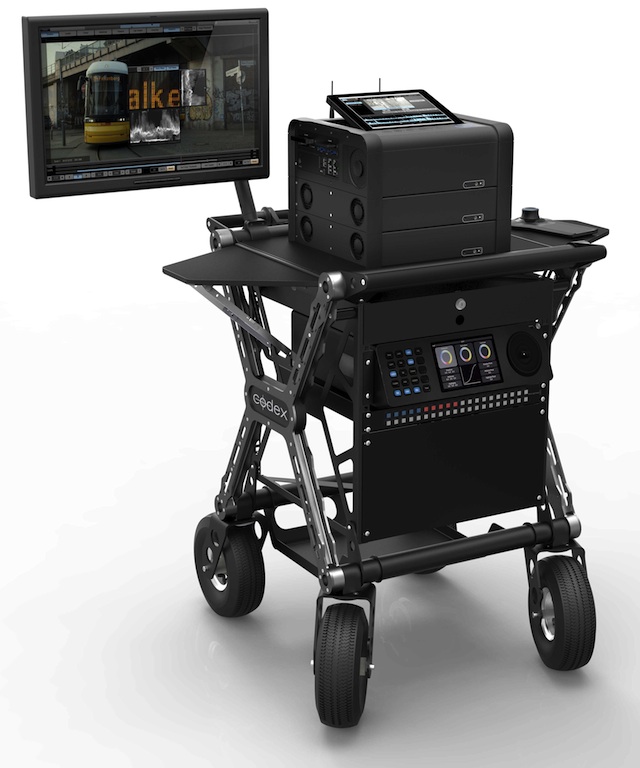
Workflow
During filming, images from ARRI cameras with Log C output, and an initial color grading by Julie Garceau, were sent to Company 3, which maintained a unit near the set to later complete the final DI. Company 3 carried out all material ingestion to a SAN. The mobile unit included a projector for viewing. Colorist Adrian DeLude worked directly on the dailies on the set itself in collaboration with stereographer John Harper.
Although Singer did not look at 3D altogether, preferring to focus on performance, Sigel typically looked at a 3D image during playback. With this in mind, Gervais said the goal was to make native 3D photography as easy as possible.
In this production, fiber optic systems were also used, which allowed for an edition not limited to the cable between the 3D platforms and the workstations. A single Codex Onboard S recorder was used for each Alexa M, allowing for recording up to 60 fps in ARRIRAW for each 3D eye.
Regarding the Codex/ARRIRAW capture format, Gervais noted that "in terms of creative latitude, the choice is simple. ARRIRAW is uncompressed, so every subtle detail is preserved. It allows the cinematographer and director to make decisions about what data is important to the image for digital intermediation, rather than letting an algorithm decide for them. It's particularly important for scenes where contrast is extreme like daytime exteriors with intense sunlight."
[youtube]https://www.youtube.com/watch?v=KPLp3YTMQuk[/youtube]
Did you like this article?
Subscribe to our NEWSLETTER and you won't miss anything.
Related articles
 Filming of 'Two Days', Gonzaga Manso's debut film produced by Pendelton Films, ends
 Atresplayer begins filming '33 days', a new series created by journalist Carles Porta
 Moments Lab and LucidLink Streamline Indexing with AI, Instant File Access, and Collaboration
 Miguel Ángel Cristóbal, CEO of Sapec: “in these 25 years we have gone from analog to looking to the future in 8K”
 Filming begins on 'A Past Ahead', a film directed and written by Olga Osorio
 FORTA celebrates the Forum 'The future of radio' in Malaga on March 24 and 25
 Filming of the comedy 'Six Current Days', by Neus Ballús, ends
 Filming of the comedy 'Six Current Days', third feature film by Neus Ballús, begins
 More than 260 JVC cameras streamline Raycom Media workflow
 The television of the future meets in Girona on February 17, 18 and 19
 Image, IP, workflow: three pillars on which Sony proposes to build a future “beyond definition”
 Codex begins marketing its recorder for the Panasonic Varicam 35
 The Academy is committed to a short fiction in which past, present and future merge in just a few centimeters
 Codex and ARRI announce ARRIRAW at 60fps