





'El Greco, Universal Soul and Light', the Cretan artist as never seen before in 4K
La productora Creativos Promotores optó por la Canon C500 para este documental grabado íntegramente en 4K.
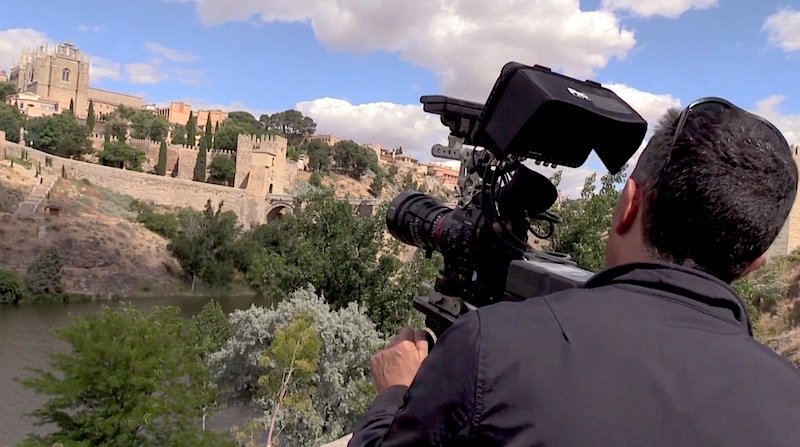
Creativos Promotores ha producido El Greco, Universal Soul and Light una serie de 6 capítulos de 30’ que recrea con absoluta fidelidad la extraordinaria belleza de los cuadros del pintor cretense y los controvertidos rasgos de su historia más allá del hecho puntual que ha representado el IV Centenario de su muerte. La serie, que ahora opta a los Premios Iris de la Academia de Tv, se estrenó en TVE a finales del año pasado.
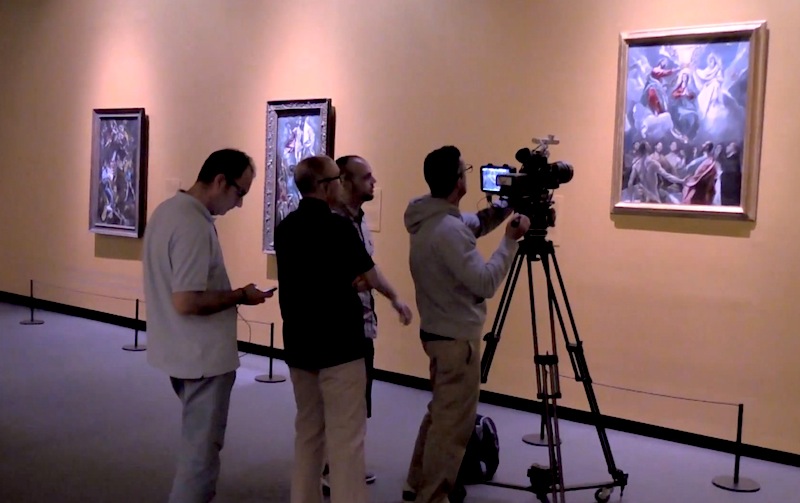
Para su rodaje el equipo de producción utilizó la Canon EOS C500 para grabar el documental íntegramente en 4K.
El equipo se decantó por esta cámara por su polivalencia en las distintas condiciones lumínicas de cada una de las localizaciones.
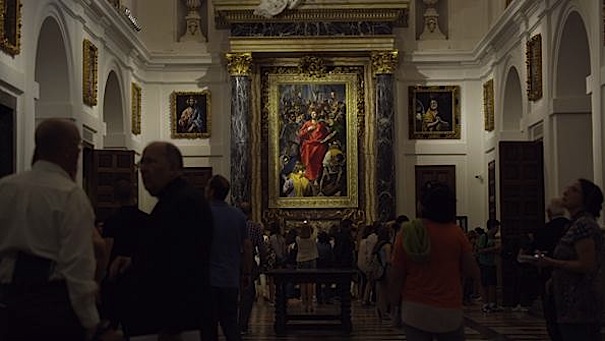 Finalizada la grabación de los episodios, Miguel de Los Santos, responsable de televisión de la productora Creativos Promotores y director de fotografía del proyecto, ha querido destacar sus sensaciones durante el rodaje. “Cuando se nos planteó la realización de la serie El Greco, alma y luz universales llegamos a la conclusión de que, por encima de todo, tenía que prevalecer la grabación en detalle de los cuadros de El Greco”. Así, acerca del nivel de nitidez del equipo empleado, señala que “es una de sus características esenciales, incluso en grandes planos generales podemos apreciar con total detalle el recorte de las líneas de los árboles y la textura de la piedra, fundamental a la hora de grabar las vistas de Toledo”.
Sobre la luminosidad de la cámara, ha comentado que “en situaciones críticas de luz, como ocurrió en la grabación de la cripta de El Greco, puede permitirnos, con un nivel de ruido más que aceptable, llegar a un ISO de 5.000. Además, el poco ruido que podíamos apreciar era muy orgánico, dando un aspecto muy cinematográfico”.
De Los Santos ha señalado también que uno de los factores que más le ha gustado de la cámara ha sido “su rango dinámico, ya que, tanto en las luces altas como en las sombras ofrece una apariencia más natural y equilibrada, por una vez no tenía que usar degradados para compensar la luz. A la hora de grabar por las callejuelas de Toledo, la cámara respondió de maravilla”.
 Workflow
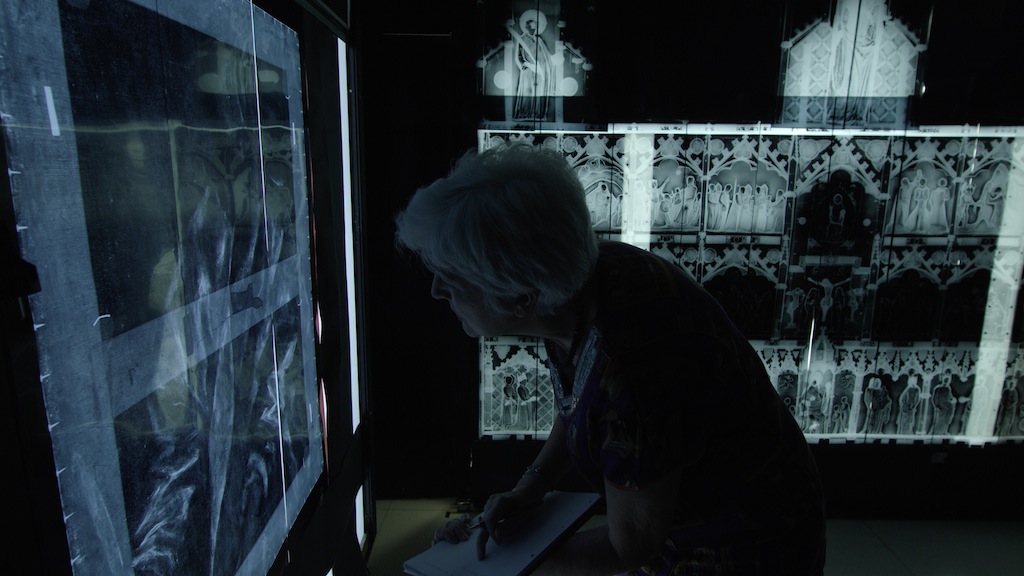
Por su parte, Fernando García, realizador y editor, ha querido resaltar la fluidez y versatilidad de la EOS C500, destacando la facilidad e inmediatez de evaluación de contenidos, gracias a la generación simultánea de archivos proxy, MXF, junto con la grabación externa de archivos RAW. “Gracias a estos archivos proxy, y casi en tiempo real, iba componiendo las secuencias de contenido, evaluando el conjunto de recursos para conocer de un modo fiable la necesidad, o no, de tener que grabar más material para completar la serie”, señala.
Acerca de la postproducción, García subraya “el amplio abanico de posibilidades que el Canon Log ofrece para el etalonaje o para la corrección de color, así como su resistencia a la multitud de efectos y máscaras que soportan los originales sin perder un ápice de esa calidad extrema primigenia”.
[youtube]https://www.youtube.com/watch?v=3PvQBZhM_T0[/youtube]
Did you like this article?
Subscribe to our NEWSLETTER and you won't miss anything.
Related articles
 Unai Iparragirre, until now director of EITB, joins Mediaset España as director of Antena
 Jaime Martínez (Canon): “the C50 is the lightest, most versatile and compact camera so far in the Cinema EOS range”
 Telemadrid will say goodbye to the year with 'See you never 2020!
 'Veneno' sweeps its final chapter as the most viewed in the history of Atresplayer Premium
 'El Hormiguero 3.0' completes 2,000 installments as the most watched daily program on television
 #0 celebrates one year as the most viewed channel on Movistar+
 Mount Teide, thanks to timelapse, like it has never been seen before
 Ang Lee reinvents 3D as we have never seen it before
 Filming of 'Now or Never' ends
 Atresmedia Cine begins filming 'Now or never'
 'Bull-running': the San Fermines, in 3D, like they have never been seen before
 Spain's victory against Italy breaks record as the most watched match in history
 The sky like never before, thanks to Canon's ultra-high sensitivity CMOS sensor
 Booking rooms has never been easier with Evoko Room Manager