





Is high dynamic range the next evolution in the industry?
El HDR ofrece una relación de contraste más alta que los formatos de vídeo de hoy, ofreciendo imágenes brillantes con gran profundidad de color, al mismo tiempo que permite negros más profundos, logrando así un gran impacto.
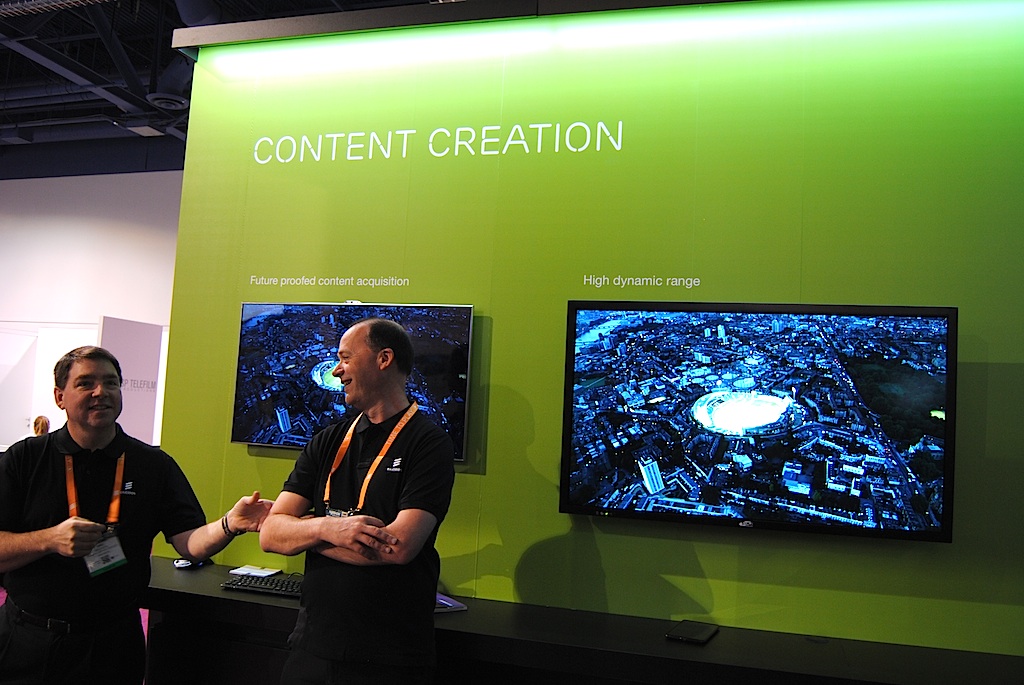
Aunque de forma aún muy tímida, el vídeo con alto rango dinámico (High Dynamic Range, HDR) está calando en la industria broadcast como quedó patente en NAB 2015.
Con la Ultra Alta Definición aún en fase de despegue, el HDR ha venido a demostrar que existe una alternativa a medio camino entre la HD y la UHD para dotar de más realismo a las imágenes.
Como muestra del interés que en la industria está despertando el HDR, la NAB decidió otorgar el Best Paper Award de la feria de Las Vegas a la investigación sobre alto rango dinámico (HDR) que ha llevado a cabo Ericsson y que ha plasmado en el documento Implicaciones del alto rango dinámico (HDR) en la cadena de radiodifusión de alta definición (HD) y Ultra Alta Definición (UHD).
Ericsson considera que el HDR tiene el potencial para ser la próxima mejora la industria en la entrega de la máxima experiencia visual.
Éste es el segundo año consecutivo que Ericsson ha sido reconocida por la NAB, tras recibir el pasado año el Premio a la Innovación por su visionario trabajo en torno a la 4K UHDTV.
Como deja de manifiesto Ericsson en su paper, la cuestió ahora es explorar el potencial de vídeo HDR, ayudando a abordar la cuestión de ancho de banda requerido para proporcionar servicios HDR utilizando la tecnología de compresión de vídeo existente.
El vídeo HDR tiene la capacidad de mejorar la calidad de imagen para 4K UHD, así como el contenido de alta definición, lo que permite una experiencia visual mejorada para servicios que no son capaces de soportar el aumento de ancho de banda necesario para transmitir 4K UHD. El documento pone de relieve cómo el HDR ofrece una relación de contraste más alta que los formatos de vídeo de hoy, ofreciendo imágenes brillantes con gran profundidad de color, al mismo tiempo que permite negros más profundos, logrando así un gran impacto natural y experiencia de visualización inmersiva para el televidente.
Sam Matheny, director de tecnología de NAB, ha asegurado que “el HDR tiene el potencial de ser la próxima gran evolución de la industria de la televisión, ofertando un avance transformador en calidad de imagen. La investigación de Ericsson ha reforzado la importancia de aumentar la eficiencia de compresión de vídeo para la transmisión de contenidos para el usuario final, y la necesidad de la industria de desarrollar y ofrecer nuevos estándares para permitir la distribución futura”.
Por su parte, Giles Wilson, al frente el departamento de compresión de vídeo en Ericsson, sostiene que “el HDR ofrece una mejora importante en la calidad sin tener un impacto negativo en los requisitos de ancho de banda necesarios para entregarlo. Durante más de dos décadas hemos sido la voz líder en compresión de vídeo, siendo un vector clave en la transición a la tecnología digital y de alta definición, y, más recientemente, UHD”.
Did you like this article?
Subscribe to our NEWSLETTER and you won't miss anything.
Related articles
 Christie will bring its Variable Dynamic Range (VDR) technology to CinemaCon 2025
 Panavision Link HDR system uses Leader LV5350 to monitor high dynamic range
 Flexibility in the use of tools is the key for high dynamic range environments
 'Creating the HDR Experience': a professional meeting that will analyze the workflow in high dynamic range
 Hans Hoffman (UER): “el HDR será imprescindible pero tenemos aún que experimentar mucho más con el alto rango dinámico”
 Grass Valley highlights smooth native HDR capture and dynamic range conversion capabilities
 The Vatican Television Center broadcast the closing of the Holy Door in Sony 4K Ultra HD and high dynamic range (HDR)
 Sony demonstrates the creative potential of high dynamic range at the 4K-UHD Summit
 ITU publishes recommendation on high dynamic range in television
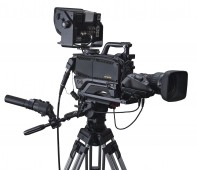 Hitachi incorporates high dynamic range into its line of HD and 4K cameras
 Sony bets heavily on high dynamic range
 The opening of the Holy Door, in 4K Ultra HD and high dynamic range HDR
 “The Barber of Seville”, the first opera to be filmed with Sony's 4K high dynamic range technology
 Spheron HDRV: a curious proposal that offers 30 fps and 20f stops of dynamic range