





Quantis promotes its HD contribution service through Ka band
La nueva Banda Ka satelital ofrece importantes ventajas frente a la Banda Ku, como precios más reducidos por Mbps y ahorro en el equipamiento gracias a las antenas autoapuntables de pequeño tamaño.
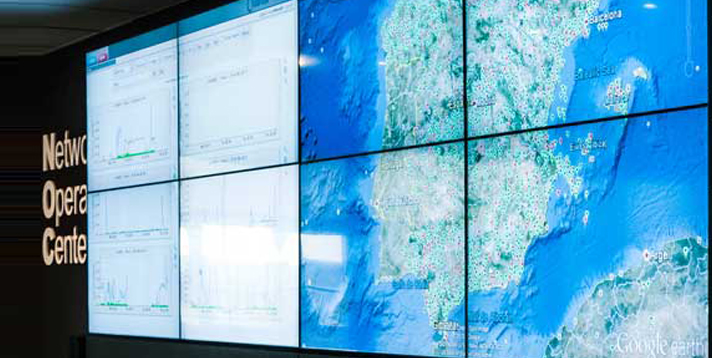
La operadora satelital española Quantis Global ha reforzado su oferta broadcast con con nuevas soluciones para contribución y sistribución de contenidos en alta definición, como alternativa a los sistemas de transmisión terrestres para DSNG.
Quantis utiliza la nueva Banda Ka satelital que ofrece importantes ventajas frente a la Banda Ku, como precios más reducidos por Mbps, aportando ahorros en el servicio de hasta el 50%, y también en el equipamiento, gracias a las antenas autoapuntables de pequeño tamaño y baja potencia totalmente automatizadas, que pueden instalarse en cualquier tipo de vehículo y manejarse cómodamente permitiendo a los equipos de campo centrarse en la noticia, el evento o la competición.
Como Operador Virtual de Satélite Quantis ofrece servicios con caudal dedicado, capacidad de priorizar el tráfico (QoS) y entrega de los contenidos directamente en el centro de control del Cliente a través de los puntos neutros de interconexión en los que tiene presencia, sin necesidad de utilizar Internet. La nueva oferta permite a las televisiones ofrecer la cobertura informativa en HD de todo tipo de eventos utilizando una infraestructura muy sencilla que no requiere unidades móviles ad hoc con un ancho de banda de hasta 10Mb en subida y 20 Mb en bajada, que se puede contratar de mega en mega por cuartos de hora.
Joan Mir, Media & Broadcast Sales Director de Quantis, asegura que “frente a los sistemas terrestres, las nuevas soluciones aportan a las Televisiones inmediatez, flexibilidad, capacidad de repuesta y el mejor coste operativo directo, asegurando la máxima calidad de servicio, gracias a los caudales dedicados y a la entrega del tráfico directamente en casa del Cliente. Al gestionar la contribución por redes privadas virtuales incorporando el segmento espacial, permitimos largas conexiones para cubrir eventos en directo por streaming de alta definición con una alta calidad resultante”.
La irrupción de la banda Ka
Actualmente la mayoría de las TV están trabajando en Alta Definición por IP lo que permite encajar la nueva tecnología en Banda Ka aportando sus ventajas en economía y flexibilidad, tanto para la distribución multicast de televisión y radio por IP a bajo coste y alta calidad, como para la contribución de contenidos.
Las soluciones DSNG son las grandes beneficiarias de la nueva tecnología satelital frente a las soluciones terrestres inestables e impredecibles unas, y obsoletas otras, como el COFDM que aún utilizan algunas TV Locales.
La principal ventaja de la DSNG (Digital Satellite News Gathering ) en Banda Ka consiste en que las unidades móviles son muy ligeras (las antenas autoapuntables pueden utilizarse desde vehículos de turismo instaladas sobre una baca) e incluso pueden operarse por una sola persona (gracias a que la gestión del ancho de banda está automatizada incorporando algoritmos muy avanzados de adaptación a las condiciones climatológicas). Además, el servicio proporcionado es muy estable al apoyarse en caudales dedicados, se contrata el ancho de banda requerido 8, 9 ó 10 Mbps de subida son los habituales para HD, e incluso se añade QoS, ya que Quantis dispone de POP (Puntos de Presencia) con los principales operadores de satélite permitiendo recoger y entregar tráfico directamente sin pasar por Internet.
Mir sostiene que “cuanto mayor sea el Ancho de Banda, como así lo requiere la TVHD y la UHDTV, y cuanto mayor sea la duración de un evento mayor es la supremacía del Satélite frente a las redes terrestres inalámbricas sin posibilidad de ofrecer Anchos de Banda dedicados ni tampoco QoS, lo que puede comprometer la continuidad del Streaming requerido por el contenido audiovisual.
Para dar respuesta a la nueva dinámica del mercado, Quantis ha aumentado la capacidad satelital de subida, ha reforzado las áreas de Venta, NOC, Soporte Técnico y Servicio Post-Venta, y se ha acreditado como Distribuidor y Servicio Técnico Oficial en Iberia de algunos fabricantes de sistemas autoapuntables para DSNG como DAWSON, caracterizados por su fiabilidad y sencillez de uso.
Marruecos en el punto de mira
Quantis ha comprado a Hispasat toda la capacidad de su satélite 30W-6 en banda Ka sobre Marruecos. Este país, donde hoy por hoy el despliegue de redes terrestres y celulares es menor que en otros países.
El contrato sobre la banda Ka del satélite Hispasat 30W-6 sobre Marruecos se extenderá desde el lanzamiento del satélite en junio de 2016 hasta el final de su vida útil, estimada en 15 años. La operación se ha estimado en unos 125 millones de euros.
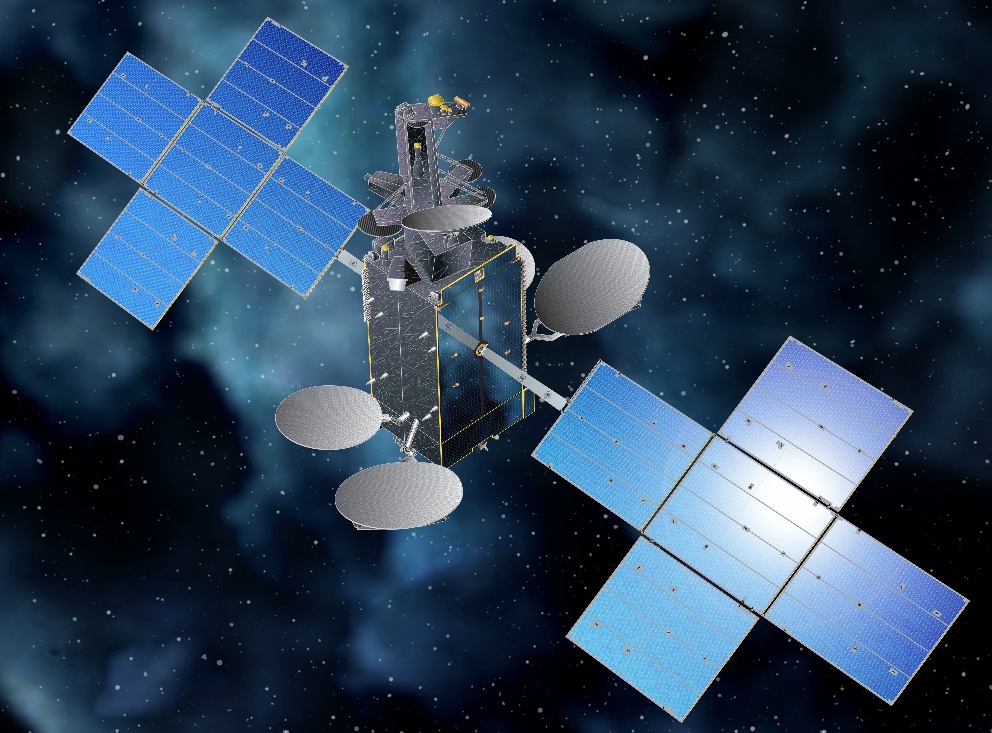
El nuevo Hispasat 30W-6 ofrecerá importantes cargas de banda Ka sobre Marruecos, España y Portugal y otros países europeos.
Did you like this article?
Subscribe to our NEWSLETTER and you won't miss anything.
Related articles
 RTVE impulsa la investigación sobre IA y periodismo con la VIII convocatoria de ayudas Impulsa Visión
 Intinor ofrecerá una contribución de noticias mejorada a través de dispositivos móviles con GlobalM
 Jackson Energy impulsa un nuevo servicio de streaming y gestión de cabeceras con tecnología de Nagra
 Avid y LiveU permiten la contribución remota segura de IP a través de MediaCentral Stream
 La plataforma de Red Bee Media impulsa el nuevo servicio OTT SportsTribal TV
 Anevia impulsa la expansión del servicio de televisión OTT argentino
 LiveU expande su servicio híbrido satélite-celular a través de Europa y África del Norte
 Quantis conecta 4.000 escuelas en Marruecos mediante la plataforma Newtec Dialog
 Telefónica lanza un nuevo servicio de contribución broadcast por satélite en Banda Ka
 Quantis ofrece soluciones broadcast vía satélite de bajo coste
 Aragón adjudica a Quantis el transporte de la señal de su radiotelevisión autonómica
 Media Networks brindará servicio de ISAT en banda KU a Rieder en Paraguay
 A pioneering service promotes the monetization of content in online radio
 Microsoft prepara su nuevo servicio de TV a través de Xbox