





How will value programmatic advertising in a multi-device environment affect traditional media?
Un interesante debate en el entorno de BIT Broadcast 2016 puso sobre la mesa cómo el big data y el análisis permiten ahora optimizar la inversión publicitaria con un impacto adecuado a la audiencia, en el momento oportuno y cuando el usuario esté predispuesto a la compra en un contexto adecuado.
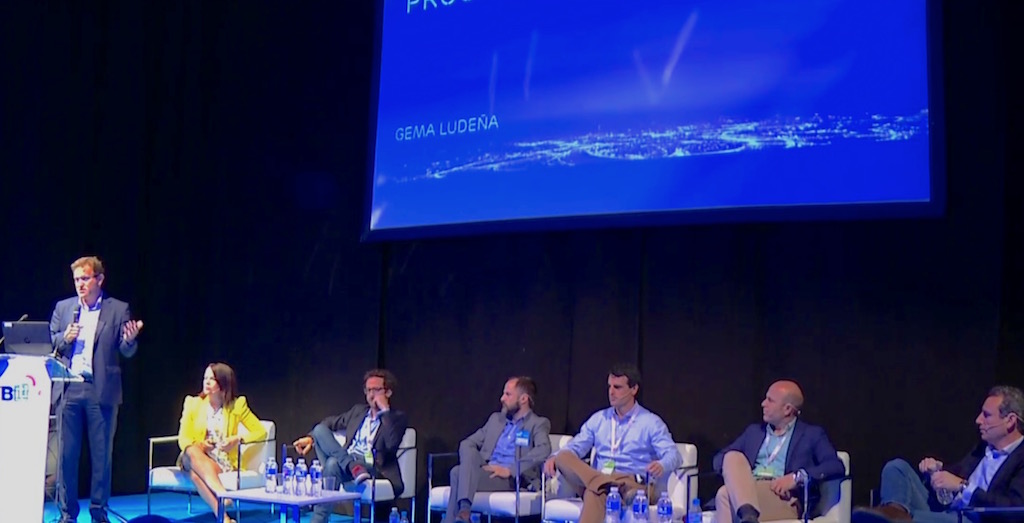
Uno de los paneles de debate que más interés suscitó durante BIT Broadcast 2016 fue el dedicado a la publicidad programática de valor.
Chema Casaos, director del área de televisión y media en Ericsson Iberia junto a Gema Ludeña, directora de soluciones de publicidad en Ericsson Iberia fueron los encargados de introducir una mesa en la que participaron Miguel Fernández Gil, director para España de Adform; Álvaro del castillo, CEO de Tap Tap Networks; Noemí Amat, directora de servicios al cliente de Amnet; Fernando Rellán, especialista en media en Axa Global Direct; José Luis Valdivieso, CCO de AFFIPERF; y Javier Hernández, director de Ecommerce de Iberia Express. Javier Piedrahita, editor de Markeging Directo se encargó de moderar esta interesante conversación.
La irrupción del multidispositivo, con especial hincapié el móvil, suscitó un debate sobre el uso de nuevas fórmulas de publicidad programática frente al concepto lineal de los medios en los que sumando cobertura y frecuencia era posible abarcar toda la audiencia. Como quedó patente en este debate los nuevos medios están cambiando las reglas.
La publicidad programática basada en software para comprar y vender espacio publicitario de forma automatizada con técnicas enriquecidas de big data centraron el debate.
Las nuevas tecnologías capaces de conectar contenidos y audiencias, un mayor uso del big data y la analítica nos permitirán conocer mejor el comportamiento de los consumidores y en consecuencia optimizar el impacto publicitario.
Hasta hace unos años, el anunciante negociaba con el soporte llegando a un acuerdo para encontrar la forma más adecuada para impactar a la audiencia target. Hoy, gracias al conocimiento que tenemos del comportamiento de los clientes, podemos desarrollar formas más avanzadas de publicidad. Entre estas fórmulas encontramos las pujas o el real-time bidding que permite acceder a una impresión ofrecida por un soporte correspondiente de un perfil determinado.
Otro de los aspectos abordados en la mesa fue el impacto de los DSP (Demand Side Platform), procesos automatizados aunque orquestados por personas, que ofrecen inventario a través de los Trading Desks (donde se puede ver en tiempo real la audiencia que se puede comprar).
Todo este nuevo ecosistema pretende optimizar la inversión con el impacto publicitario adecuado a la audiencia, en el momento oportuno y cuando el usuario esté predispuesto a la compra en un contexto adecuado.
Durante el debate salieron a la palestra otros aspectos oscuros o desconocidos de la publicidad programática como su uso fraudulento con falta de transparencia al tratarse de procesos automatizados, o la tendencia a pensar que este tipo de compra está asociado a campañas de respuesta directa o performance (aunque se está demostrando que es igualmente válida en la fase de descubrimiento o branding).
Sin duda, la tecnología puede ayudar a encontrar las mejores soluciones para que la compra programática sea una realidad con mayor cuota en el mercado y total garantía para anunciantes, agencias y medios.
[youtube]https://www.youtube.com/watch?v=p_MvIaK-VI8[/youtube]
Did you like this article?
Subscribe to our NEWSLETTER and you won't miss anything.
Related articles
 Broadcast before programmatic advertising: new opportunities, automation and AI
 CTV and programmatic advertising: a perfect combination
 Cellnex y los trabajadores de Retevisión, Tradia y On Tower pactan un ERE que afectará a 252 profesionales
 Ebantic demonstrates at DES 2021 how to value broadcast and corporate content
 The value of the original 4K production as a differentiating element
 Cisco shows at IBC how to get the most value from IP and multi-cloud networks
 Aunia Interactiva's programmatic advertising linked to television content increases effectiveness
 Channel 13 of Chile outsources with Secuoya all production areas as well as the management of its studies and technical means
 BIT Audiovisual 2018 will analyze audience measurement in new environments, brandchannel and programmatic advertising
 Programmatic technology or how to exploit segmentation on television
 How will the change of Government affect the audiovisual sector?
 ¿Cómo diseñar un sistema de gestión de contenidos multiplataforma que dé valor a la marca?
 ¿Si los medios avanzan en personalización porqué seguimos sirviendo publicidad plural?
 How is the multimedia environment changing radio?