





'Kubo and the Two Magic Strings' elevates the stop-motion technique to a level unthinkable until now
El equipo de Laika desarrolló más de un centenar de marionetas entre las que destacan un esqueleto gigante de casi cinco metros o el personaje de Kubo con más de 48 millones de expresiones faciales.
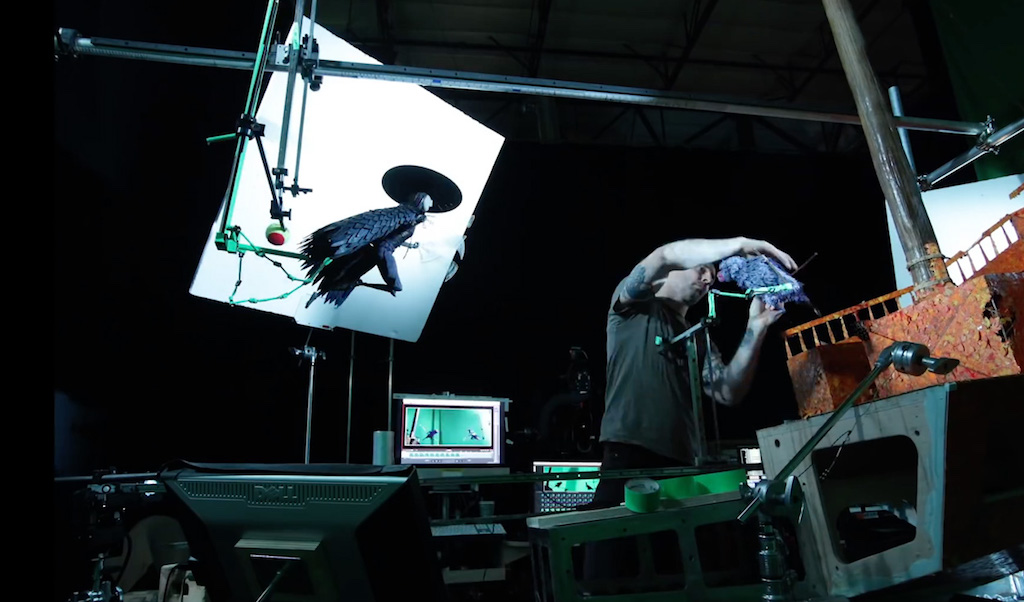
En una industria dominada por la animación por ordenador, la productora Laika ha sorprendido este verano con la que, sin duda, es una de las mejores producciones de animación de los últimos años. Tras su experiencia en la técnica del stop-motion con cintas como Los mundos de Coraline, El alucinante mundo de Norman o Los Boxtrolls, Laika ha llevado la técnica a un nivel inimaginable hasta ahora.
Kubo y las dos cuerdas mágicas (Kubo and the Two Strings), que ha supuesto el debut en la dirección de Travis Knight, CEO de Laika, ha conseguido con un presupuesto de 60 millones de dólares crear una obra maestra de la filmación con “marionetas”.
Charlize Theron, Matthew McConaughey o Ralph Fiennes, Rooney Mara son algunos de los actores que ponen voz a los personajes de esta historia ambientada en el Japón medieval que contiene todos los elementos clásicos de los cuentos tradicionales: la familia, los amigos, el viaje de iniciación, la lucha entre el bien y el mal y la magia.
Kubo y las dos cuerdas mágicas recrea la historia de Kubo, un niño huérfano que sólo tiene un ojo y que sobrevive contando cuentos a los habitantes de un pequeño pueblo de pescadores, utilizando su don para dar vida a las figuras de origami, el milenario arte japonés de la papiroflexia. Su existencia cambiará con la aparición de un fantasma del pasado, el rey Luna que le quiere quitar su otro ojo, por lo que Kubo tendrá que huir en busca de una armadura y una espada mágicas, que son lo único que puede vencer al malvado villano. En su camino, Kubo contará con la ayuda de un primate, un escarabajo y un pequeño samurái de papel.
Artesanía y técnica
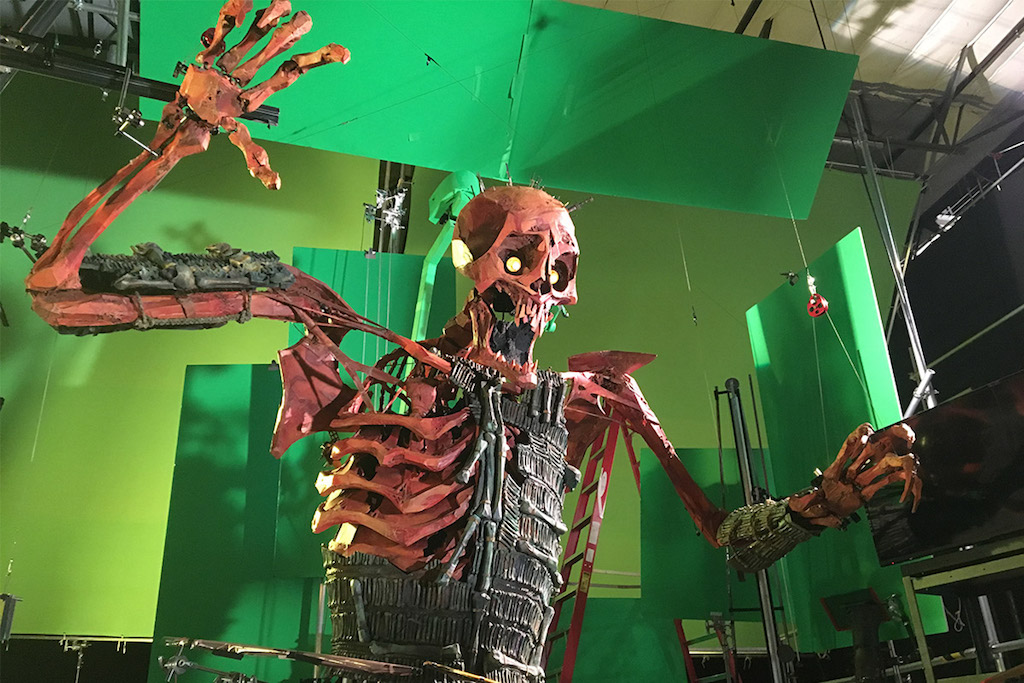
Para tener una idea del esfuerzo técnico y humano que ha significado esta producción, reseñar que solo el personaje de Kubo contaba con más de 48 millones de expresiones faciales (reproducidas en sus 23 muñecos). Para la película, el equipo de Laika tuvo que desarrollar más de un centenar de marionetas entre las que destacan un esqueleto gigante de casi cinco metros y 180 kilos articulado desde una mesa de control de movimientos (Hexapod). Se trata de la marioneta más grande jamás creada para una película de stop-motion.
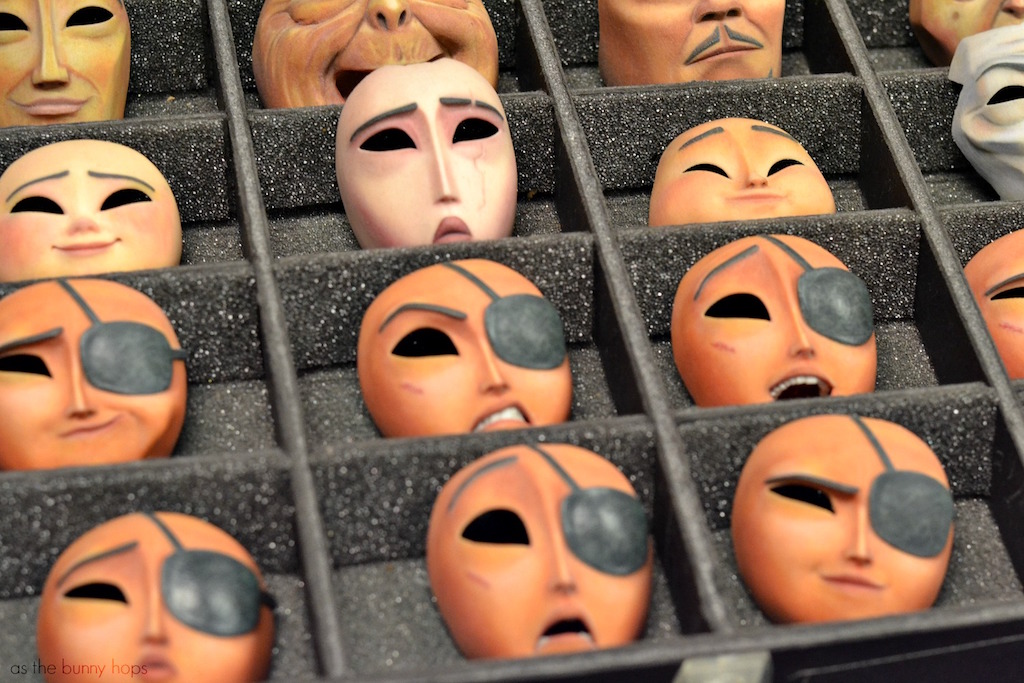 Todos estos personajes (fabricados tanto manualmente como con ayuda de impresoras 3D) se movieron en una cuidada escenografía de 80 decorados donde se rodó a un ritmo de unos 15 fotogramas al día de media o lo que es lo mismo: tres segundos de película a la semana.
En cuanto al equipo de efectos visuales, encabezado por Steve Emerson, tuvieron que enfrentarse a retos como la recreación del agua en stop-motion, con escenas como la del velero que supusieron diecinueve meses de rodaje.
Sin duda, un trabajo que aúna arte y tecnología obra de una joven productora con apenas diez años de actividad. Ver para creer…
El making of
[youtube]https://www.youtube.com/watch?v=ZhFRjaWYe_0[/youtube]
Tráiler
[youtube]https://www.youtube.com/watch?v=V2PN5XfnhpI[/youtube]
Did you like this article?
Subscribe to our NEWSLETTER and you won't miss anything.
Related articles
 Stop motion: the technology behind an unexplored universe
 Mediaset España increases its stake in ProSiebenSat.1 to 9.75%
 Atresmedia increases its EBITDA to 126.4 million euros (+1.9%)
 Carlos Slim eleva hasta el 4,3% su participación en PRISA
 Twin Pines Takes Visual Effects to a New Level with 'Zipi and Zape and Captain's Island'
 Ad Hoc Studios takes film and TV mixing to a new level by integrating Avid's S6 console
 Grupo Imagina increases its stake in Atresmedia to 8.64%
 Nagra takes the HTML5 and 4K user experience to a new level
 Orad takes graphics to a new level in the Russian Premier League
 The new Orad HDVG4 platform raises the level of graphics performance
TVE carries out the first 3D technical test at the national level
The new Orad HDVG4 platform raises the level of graphics performance
TVE carries out the first 3D technical test at the national level
 Stop Motion Workshop in Seville
 Panasonic eleva la interactividad en pantalla de gran formato a otro nivel en ISE 2011
 'O'Apostolo', first European film in stop-motion and 3D