





eSports: la era del entretenimiento convergente
“Pese a lo que algunos podrían pensar, los eSports, no es un fenómeno de nicho y no pueden considerarse como una tendencia emergente ya que se han consolidado como fenómeno de masas que genera beneficios para todos los implicados”, ha asegurado Francisco Asensi en el Observatorio de Realidad Virtual.
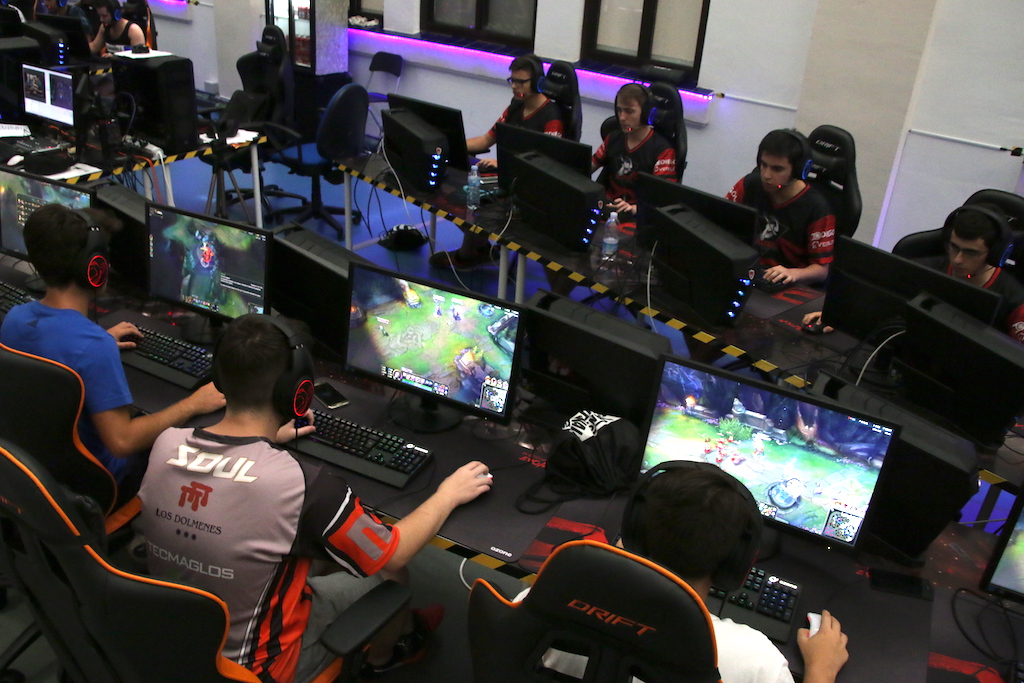
El consultor Francisco Asensi ha acudido al Observatorio de Realidad Virtual, que se celebra los días 19 y 20 en el Polo de Contenidos Digitales de Málaga organizado por Medina Media con Panorama Audiovisual como media partner, para hacer un repaso a una de las industrias en mayor auge: los eSports o la práctica de videojuegos a través de ordenadores conectados y cuyas competiciones tienen lugar en grandes espacios como los eventos deportivos en vivo.
Hay muchas miradas puestas en este sector en virtud de los 6.000 millones de horas vistas de eSports en 2016, según IHS Market, ha asegurado Asensi.
Pero, ¿cómo comenzó todo? Para Asensi, el fenómeno de los eSports comenzó a asentarse en España a partir del año 2010. “Las “Lan Parties” como la Campus Party o Euskal Encounter son el primer caldo de cultivo. Muchos de sus asistentes acuden para jugar online, creándose clanes que serían el futuro embrión de los clubes”, ha comentado.
A ello, habría que sumar el enorme desarrollo de juego online de gran tirón popular como World of Warcraft o Counter Strike. Paralelamente, empresas como Fandroid (germen de la Liga de Videojuego profesional), Encom (organizadora de DreamHack) y Turtle Entertainment, empresa matriz de la Electronic Sports League (ESL) dan un gran empuje a esta nueva actividad.
“Pese a lo que algunos podrían pensar, los eSports, no es un fenómeno de nicho y no pueden considerarse como una tendencia emergente ya que se han consolidado como fenómeno de masas que genera beneficios para todos los implicados”.
El reparto de ingresos en el global de los eSports, según subraya Asensi, vendrían de la mano de patrocinios (38%), publicidad (22%), derechos de emisión (14%), fees de publishers (17%) y merchandising (9%). Para 2020, se prevé que haya en todo el mundo más de 286 millones de aficionados a los eSports, a los que habría que sumar otros 303 millones de usuarios ocasionales.
En España, la previsión de ingresos para este año ronda los 678 millones de euros, alcanzando los 905 en 2018 y los 1.127 en 2019. En cuanto a audiencias, se estima que en nuestro país son seguidores de los deportes electrónicos unos 7,1 millones de usuarios, superando los 25 millones el total de gamers.
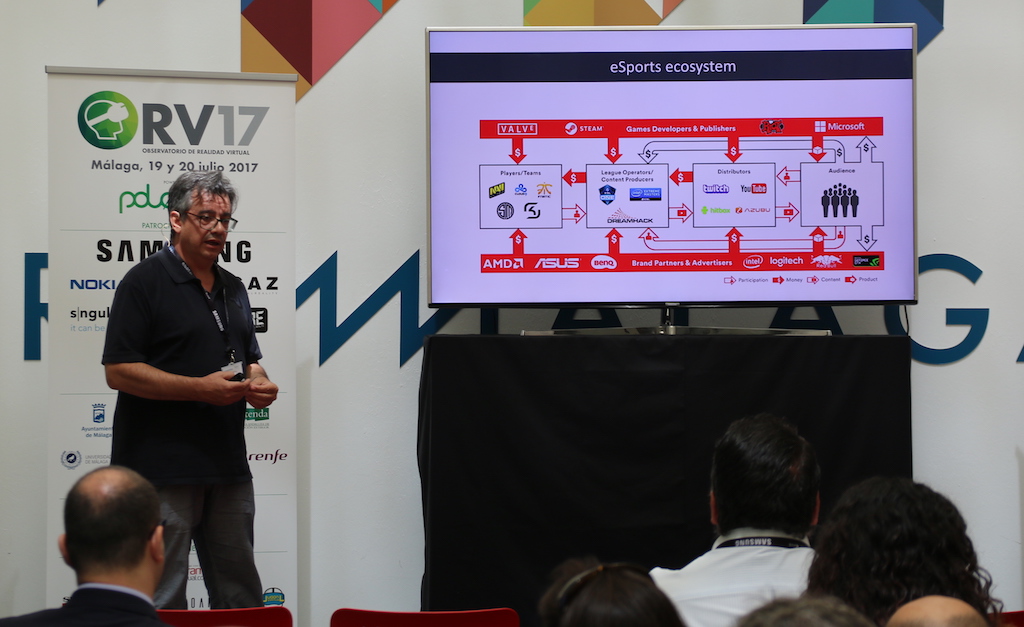
Perfil del aficionado
Francisco Asensi ha hecho una radiografía del perfil del aficionado a los eSports. “Se trata de un perfil muy interesante desde el punto de vista comercial ya que estamos, el caso de Estados Unidos, ante un 70% de hombres con edades entre 25 y 34 años (39%), empleados full time (55%), de graduado medio (46%) y con salarios por encima de los 50.000 dólares (61%).
Asensi ha analizado también el caso de la plataforma Twitch que Amazon (propietaria de cinco estudios de videojuegos) compró hace apenas unos años por 970 millones. Hoy en día cuenta con más de 100 millones de usuarios mensuales, con 10 millones de usuarios activos diarios. La mitad de los usuarios ven mas de 20 horas semanales de contenidos en esta plataforma (1,46 horas al día).
Frente a estas plataformas nativas en el entorno eSports, no hay que olvidar que las principales redes sociales como Twitter o Facebook ya están haciendo sus pinitos en este terreno.
En el caso español, las principales ligas de eSports como ESL, Liga de Videojuegos Profesional, Playstation Plus League, SocialNAT y Game están ganando terreno cada día. Incluso, el deporte tradicional se está introduciendo en los eSports. Clubes como el Valencia FC, Sevilla FC, Sporting de Gijón, Real Zaragoza… compiten en la Virtual Football Organization (VFO) con equipos de once frente a once jugando al popular FIFA.
“En eSports no existe una liga oficial única. La reputación de una sobre otra gana por la calidad de la organización en todo el ciclo, el nivel de juego, o de los jugadores así como el nivel del espectáculo ofrecido junto al volumen de premios marcan la diferencia” ha señalado Asensi
“Tampoco existe un número de juegos cerrado. En la actualidad los desarrolladores crean juegos pensando en la posibilidad de convertirlos en competitivos de cara a ‘eSportizarlos’. De esta forma, logran un fuerte impacto en ventas, extienden la vida del juego como producto, y diversifican los ingresos…
Aunque cualquiera podría organizar una liga, el desarrollo actual de los eSports va creando barreras de entrada que conducirán posiblemente a la concentración”, ha comentado este analista en el Observatorio de Realidad Virtual.
En cuanto a los medios tradicionales también están pugnando por captar la atención de los espectadores en este nuevo terreno. Por ejemplo, Turner ha creado su propia liga (WME), ESPN está comprometida con la difusión de las principales ligas y Disney ha cerrado una alianza con Rior Gamet para adquirir los derechos de League of Legends.
En lo que a televisión se refiere, el medio no es ajeno a que la emisión de eSports ha alcanzado su éxito en online. Las emisiones de la eLeague logró 18,7 de views en Twitch, mientras que en televisión apenas fue seguida por una media de 271.000 espectadores entre directos y diferidos.
Por último, Francisco Asensi ha subrayado que los grandes grupos o bien están adquiriendo los derechos grandes competiciones o están lanzando canales temáticos como Ginx con formatos televisivos que van más allá de retransmitir las competiciones. Además, las grandes telcos como Telefónica, Orange o Vodafone están tomándose también muy en serio los eSports con importantes inversiones.
Did you like this article?
Subscribe to our NEWSLETTER and you won't miss anything.
Related articles
 5G: más eficiencia y nuevas experiencias para el negocio del entretenimiento
 FAST y Smart TVs: construyendo el hub de entretenimiento definitivo
 El IP marcará el futuro en media, deportes y entretenimiento
 Radio Galega estrena un estudio multimedia convergente entre radio, televisión e Internet
 ATEME presentará su cabecera de software convergente a prueba de futuro en NAB 2019
 Mediapro internacionaliza su actividad en eSports
 Los eSports como epicentro del entretenimiento convergente
 Robots in the media and entertainment industry?
 La mexicana Totalplay elige la codificación virtual Titan de Ateme para su cabecera convergente
 3D Wire clausura su edición más internacional y convergente
 Akamai potencia su plataforma inteligente de entretenimiento online
 Loewe avanza el futuro del entretenimiento en casa
 Atempo grows in the media and entertainment industry
 Televisión: entretenimiento por excelencia