





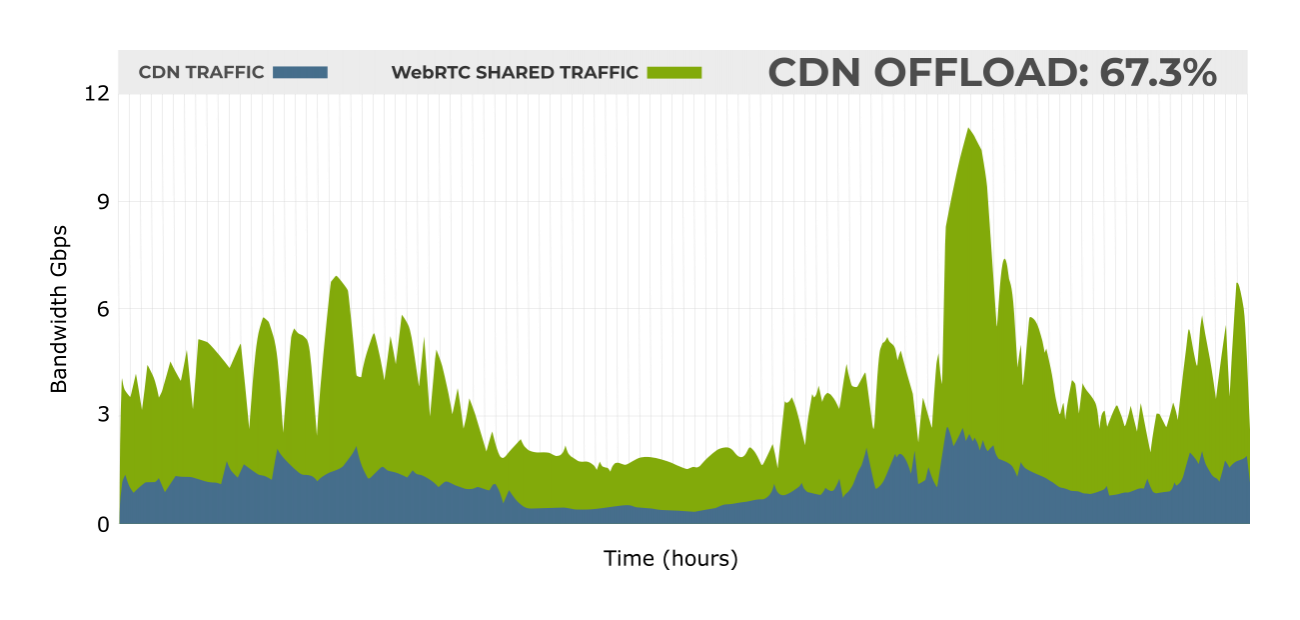
Koovik promises to reduce CDN traffic and costs by more than 60% in video streaming with Virtual Simulcast
Koovik, una empresa con sede en el Tecnocampus de Mataró, ha presentado la solución Virtual Multicast definido por software en el lado del cliente.
El aumento imparable de consumo de vídeo por Internet hace prever que el tráfico de vídeo en directo se multiplicará por 15 entre 2016 y 2021, y el tráfico de vídeo será el 82% de todo el tráfico de internet.
Los operadores se enfrentan a una situación de incremento de costes operativos asociados al tráfico en el CDN.
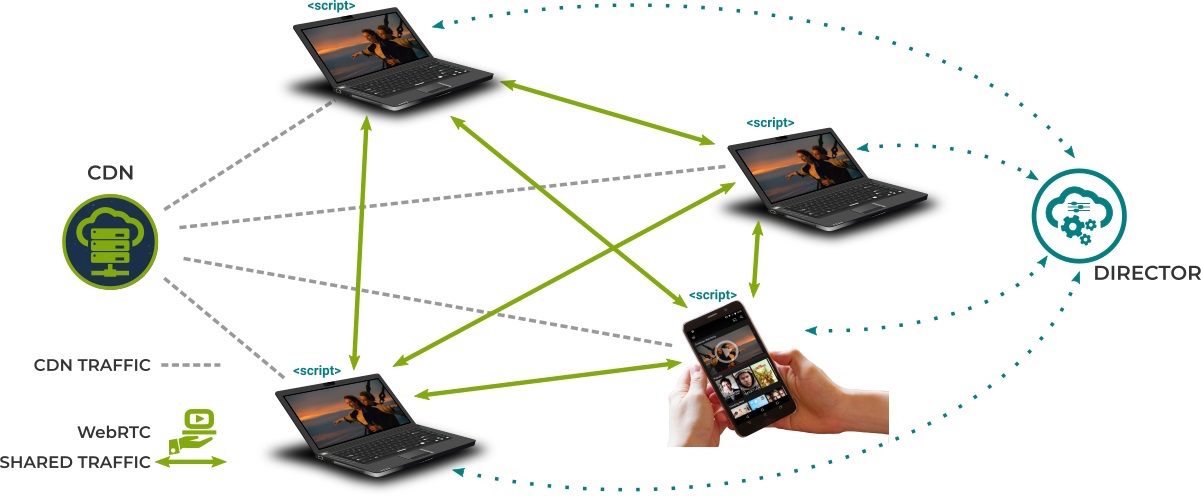
Given this situation, Koovik, una empresa con sede en el Tecnocampus de Mataró, ha desarrollado la solución Virtual Simulcast. Utiliza WebRTC y HLS o MPEG-DASH juntamente con un motor de gestión en la nube para replicar los “stream-chunks” entre las máquinas de los usuarios configurando una red en malla equivalente a una situación multicast.
De esta manera se consigue un ahorro del tráfico en el CDN, y de su coste asociado, en situación de producción 24/7. Simultáneamente se consigue una mejora en la calidad percibida por el usuario con una reducción de situaciones de “re-buffering” y carga de vídeos más rápida.
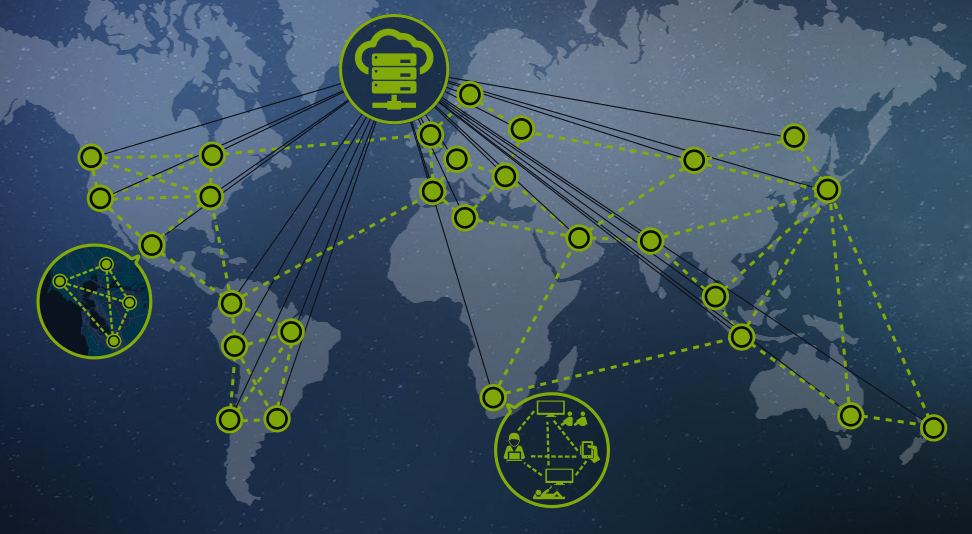 Koovik promete reducir el tráfico y costes del CDN en más de un 60% en streaming de vídeo.
Virtual Multicast no requiere que el usuario instale nada en su dispositivo. Está disponible para entorno web y para aplicaciones en dispositivos móviles o Smart TV. La comunicación entre dispositivos esta encriptada de manera nativa usando WebRTC.
Además, mantiene todas las configuraciones establecidas por el broadcaster, permisos de usuario, geoblocking, publicidad pre-roll… porque el proceso se inicia siempre con una conexión al servidor.
This solution is compatible con SSAI (Server Side Ad Insertion) y no interfiere con DRM ni con el eventual encriptado del stream, ya que los “chunks” que se replican entre usuarios son los mismos segmentos que se descargaría del CDN.
En el caso de canales encriptados, la llave de desencriptado se transfiere viaja -solo- directamente desde el CDN al usuario autorizado.
El panel de control de Virtual Multicast permite visualizar en tiempo real la descarga del CDN y el offload, permite configuraciones para utilización de Virtual Multicast. Por ejemplo: deshabilitar el upload en clientes conectados a redes de telefonía móvil, habilitarlo o deshabilitarlo en función de la geolocalización u otros criterios.
Did you like this article?
Subscribe to our NEWSLETTER and you won't miss anything.
Related articles
 Panasonic hopes to reduce complexity in virtual and augmented reality
 Daniel Maloney (Matrox Video): “The IPMX standard maximizes interoperability, makes infrastructure more flexible and saves costs”
 Angus Mackay (Matrox Video): “At IBC we demonstrate how cloud and IP improve productivity and save costs”
 Streaming traffic on election night in the US reached 18 Tbps on Akamai's platform
 V-Nova completes MPEG-5 LCEVC, a standard that promises to revolutionize streaming
 Eurosport increases Roland-Garros streaming traffic by 31%
 TV Up Media and Teltoo promise to reduce content distribution costs via CDN by half
 Akamai helps broadcasters mitigate the challenges and costs associated with cloud computing and streaming
 Intel promises 360º video in 8K at Tokyo 2020
 Video will continue to dominate IP traffic, representing 82% in 2021
 MOG Technologies promises to eliminate the complexity of live streaming
 Spectrum ChannelPort allows you to increase channels and reduce costs
 3D and HD will multiply video traffic on the Internet by thirteen in 2014
 Private channels with simulcast broadcast already have higher consumption through DTT