





'Creating the HDR Experience': a professional meeting that will analyze the workflow in high dynamic range
Sgo, Canon, AJA y la Universidad Pompeu Fabra de Barcelona organizan ‘Creating the HDR Experience’, un encuentro profesional para expertos de la industria.
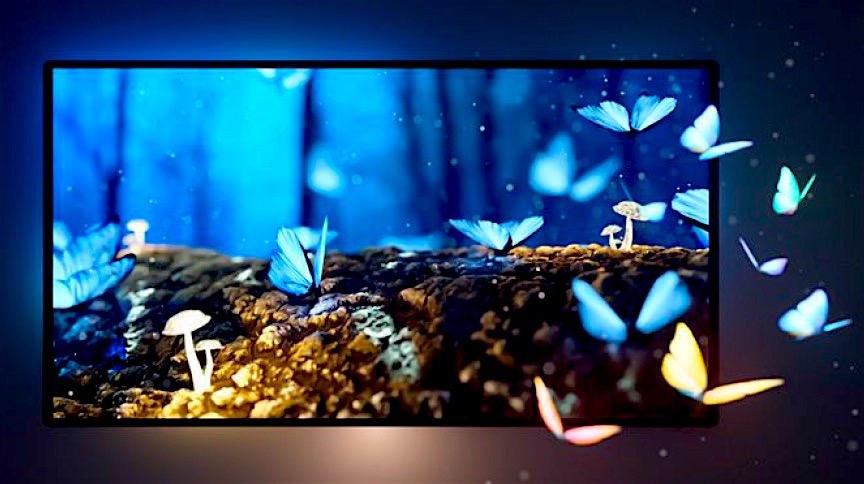
He high dynamic range (HDR) es una de las recientes tecnologías que ha despertado mucho interés y demanda dentro de la industria audiovisual. La creación de contenido y la forma de implementarlo de cara al usuario ha llevado a la creación de herramientas para la gestión y optimización de los flujos de trabajo en HDR.
Para analizar todo su potencial y cómo desarrollar flujos de trabajo, Sgo, Canon, AJA and the Universidad Pompeu Fabra organizarán el encuentro profesional Creating the HDR Experience. Tendrá lugar en la Sala Aranyó del Campus DTIC de la UPF (Carrer de Roc Boronat, 138, Barcelona) el próximo martes 21 de mayo a las 16 horas.
Ese día los asistentes tendrán la oportunidad de aprender sobre cada una de las etapas de un flujo de trabajo en HDR. Las imágenes que serán utilizadas para el flujo de trabajo han sido capturadas con la cámara C700 Full Frame de Canon .
Por su parte, AJA mostrará varias de sus herramientas flexibles que facilitan el trabajo de los profesionales en HDR y aseguran de que puedan lograr su resultado creativo .
Entre las herramientas a presentar se encuentran la solución de análisis y monitorización AJA HDR Image Analyzer, el conversor HDR AJA FS-HDR, las tarjetas AJA Kona y los dispositivos externos AJA Io que admiten metadatos HDR y HLG .
Adicionalmente, los mini conversores AJA Hi5-4K-Plus y Hi5-12G que hacen más sencilla la monitorización HDR; y el AJA Ki Pro Ultra Plus que permite la grabación y
reproducción de contenidos HDR.
A continuación todo el proceso de corrección de color en The mystique of Ultima será demostrado por el especialista de producto de Sgo, Adrián González, visualizándose en el display DP-V2410 4K HDR de referencia de Canon . Presentará las últimas tendencias de la gestión del color y cómo aprovechar las ventajas de espacio de color ACES. También planteará cómo configurar el entorno correcto, aplicar soluciones técnicas y usar ACES para crear entregables.
Finalmente habrá una demostración de la tecnología creada por la propia UPF , cuyo grupo de investigación de procesado de imágenes para cine (IP4EC) ha desarrollado algoritmos para tone mapping , inverse tone mappping y gamut mapping basadosen recientes hallazgos provenientes del campo de ciencias de la visión, y que se pueden aplicar en la producción, post-producción y exhibición de contenidos. Estos métodos avanzados se presentarán con el objetivo de demostrar cómo la investigación académica puede ofrecernos soluciones automáticas para importantes problemas de la industria del cine que actualmente se resuelven de manera manual, o automáticamente pero de forma sub-óptima.
More information and registration, here.
Did you like this article?
Subscribe to our NEWSLETTER and you won't miss anything.
Related articles
 Canon and More than Professional Video: master class to improve technique and audiovisual workflow
 Quicklink completa su flujo de trabajo de contribución profesional con el mezclador híbrido “todo en uno” STS410
 Panavision Link HDR system uses Leader LV5350 to monitor high dynamic range
 Flexibility in the use of tools is the key for high dynamic range environments
 Hans Hoffman (UER): “el HDR será imprescindible pero tenemos aún que experimentar mucho más con el alto rango dinámico”
 The Vatican Television Center broadcast the closing of the Holy Door in Sony 4K Ultra HD and high dynamic range (HDR)
 Sony demonstrates the creative potential of high dynamic range at the 4K-UHD Summit
 ITU publishes recommendation on high dynamic range in television
 Hitachi incorporates high dynamic range into its line of HD and 4K cameras
 Sony bets heavily on high dynamic range
 The opening of the Holy Door, in 4K Ultra HD and high dynamic range HDR
 “The Barber of Seville”, the first opera to be filmed with Sony's 4K high dynamic range technology
 Is high dynamic range the next evolution in the industry?
 Broadcast IT Experience closes its days with the highest professional profile of speakers and visitors