





Más de 35 proyectos del Festival de Cine de Sundance creados con soluciones de Blackmagic Design
Entre otras producciones, encontramos películas como ‘Passing’ (que empleó DaVinci Resolve Studio), ‘Land’ (con Fusion Studio y DaVinci Resolve Studio) y ‘Playing With Sharks’, (Pocket Cinema Camera 4K y Cintel).
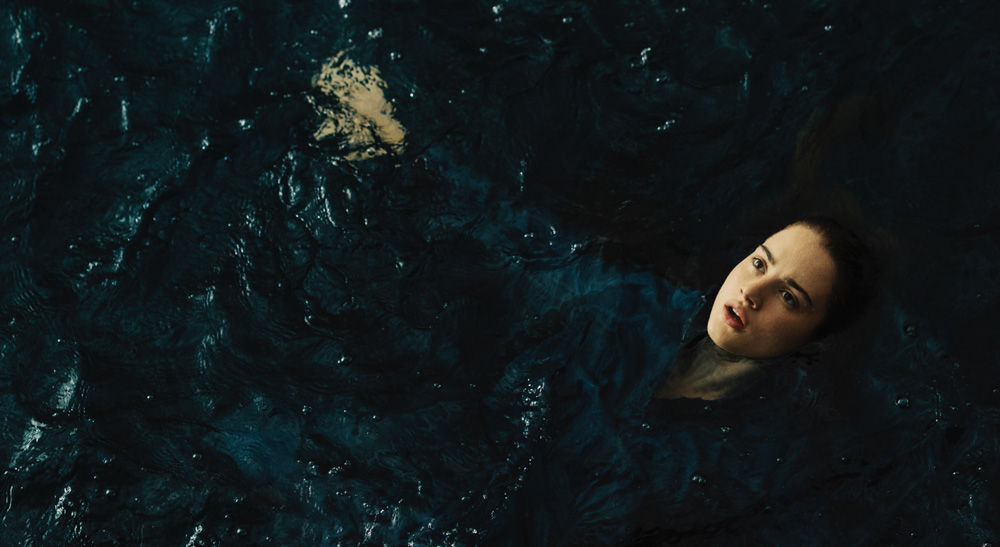
Más de 35 películas y series televisivas del Festival de Cine de Sundance han sido producidas con soluciones de Blackmagic Design como sus cámaras cinematográficas digitales y el programa DaVinci Resolve Studio.
Entre otras producciones, encontramos películas como Passing, en la cual se empleó DaVinci Resolve Studio y diversos productos de la empresa, tanto durante el rodaje como para los efectos visuales y el etalonaje final; Land, en la que se utilizaron Fusion Studio y DaVinci Resolve Studio para las composiciones y el etalonaje; y Playing With Sharks, en la cual se filmaron tomas adicionales con un modelo Pocket Cinema Camera 4K y se digitalizó material de archivo con un escáner Cintel.
Proyectos realizados con cámaras y equipos de Blackmagic Design:
- Censor: El director de digitalización y colorista principal Paul Dean (Cinelab London) llevó a cabo el etalonaje de los copiones con DaVinci Resolve.
- First Date: El director y responsable de fotografía Manuel Crosby empleó los modelos cinematográficos digitales URSA Mini 4.6K y Pocket Cinema Camera.
- A Glitch in the Matrix: El director de fotografía George Feucht utilizó DaVinci Resolve como parte de su dinámica de trabajo para filmar elementos prácticos de la película.
- Passing: El director de fotografía Eduard Grau (ASC) y el técnico en imágenes digitales Zack Sainz utilizaron DaVinci Resolve Studio y equipos UltraStudio Mini Monitor y UltraStudio Mini Recorder para procesar capturas y ver el material grabado durante la creación de copiones en el set. Además, emplearon como dispositivos Mini Converter SDI Distribution 4K, Smart Videohub 20×20 y Videohub Smart Control.
- Playing With Sharks: El director de fotografía Judd Overton filmó tomas complementarias con el modelo Pocket Cinema Camera 4K, mientras que la productora Bettina Dalton y The Footage Company digitalizaron material de archivo con un escáner Cintel.
- R#J: El director de fotografía Diego Madrigal empleó dos unidades Pocket Cinema Camera 6K para el rodaje de la película.
- Seeds of Deceit: El director de fotografía Sjors Mosman empleó el modelo URSA Mini Pro G2 y dos unidades Pocket Cinema Camera 4K.
- Users: El director de fotografía Bennett Cerf empleó el modelo Pocket Cinema Camera 6K para realizar coberturas especiales.
Manuel Crosby, director y responsable de fotografía de First Date, señala que “el modelo URSA Mini 4.6K nos ofreció un gran rango dinámico y flexibilidad cromática cuando fue necesario», señala Manuel Crosby, director y responsable de fotografía de “First Date”. «Su interfaz sencilla y fácil de usar funcionó de maravillas en nuestra producción. Además, DaVinci Resolve Studio simplificó la revisión de los copiones y la creación de archivos proxy en exteriores, así como el etalonaje final de la película”.
“Cheeky Monkey Post utilizó dinámicas de trabajo en formato DNG y EXR en su sala para el intermedio digital, equipada con DaVinci Resolve Studio”, agrega Melissa M. Offutt, propietaria y fundadora de la empresa.
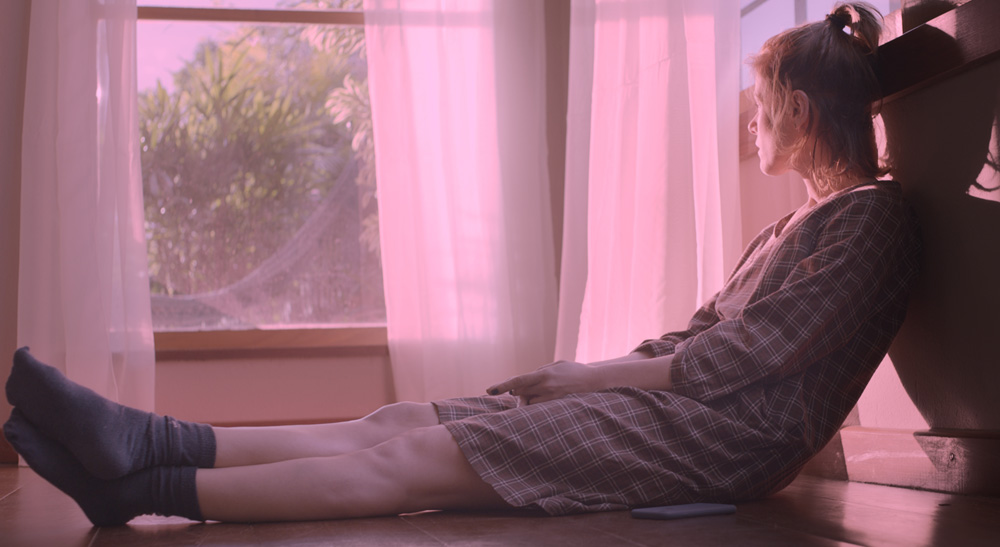
Proyectos en los que se emplearon Fusion Studio y DaVinci Resolve para los efectos visuales:
- 4 Feet High / 4 Feet High VR: El animador Martín López Funes (Malditomaus) y su equipo utilizaron Fusion Studio y DaVinci Resolve Studio para los efectos visuales y los elementos de realidad virtual del proyecto.
- The Blazing World: El compositor Joshua Puente utilizó Fusion Studio, DaVinci Resolve Studio y una tarjeta de captura y reproducción DeckLink 4K para los efectos visuales de la película.
- Land: El supervisor de composiciones Jeremey Nelson (Moving Target) utilizó Fusion Studio para los efectos visuales de la película.
- Mayday: La artista y productora de efectos visuales Shaina Holmes (Flying Turtle Post) colaboró con el supervisor de efectos visuales Andrew Lim (Entoptic) y empleó Fusion Studio para realizar parte de las composiciones.
- On the Count of Three, Passing, Wiggle Room y The World to Come: El supervisor de efectos visuales Alex Noble (Wild Union Post) utilizó DaVinci Resolve en su dinámica de trabajo para estas películas.
“La rapidez y la versatilidad de DaVinci Resolve Studio y Fusion Studio nos permitieron completar 70 tomas con efectos visuales en un plazo de 6 semanas. Todas las imágenes se transmitieron a un monitor 4K de 32” con la tarjeta DeckLink 4K. La posibilidad de ver las composiciones en dicha resolución y reproducirlas en tiempo real simplificó muchísimo el trabajo”, comenta Joshua Puente, compositor en The Blazing World.
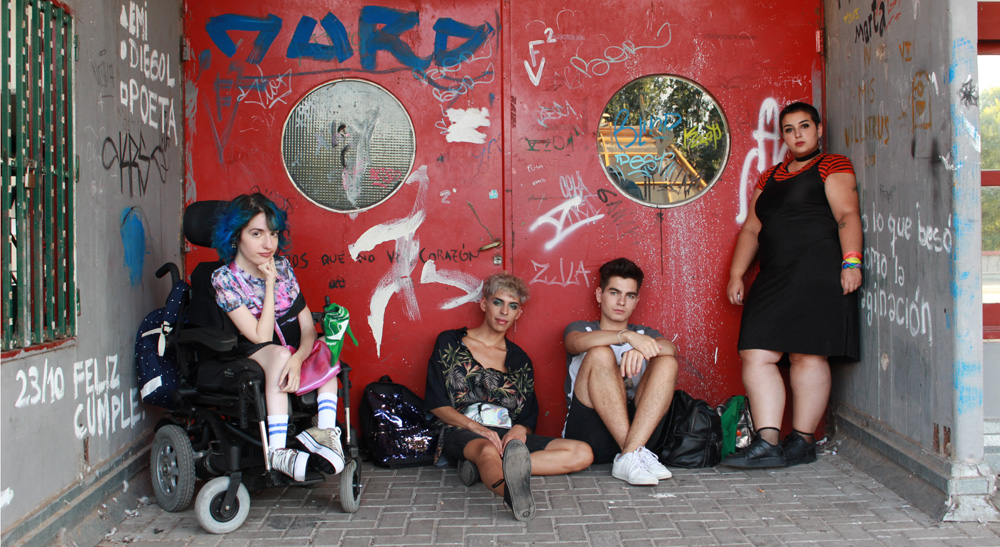
Proyectos en los que se emplearon DaVinci Resolve y DaVinci Resolve Studio durante la posproducción:
- All Light, Everywhere: María Carretero (Nice Shoes) realizó el etalonaje de la película.
- Bruiser: Seth Ricart (RCO) realizó el etalonaje de la película.
- Cusp: Andrew Francis realizó el etalonaje de la película con dispositivos DaVinci Resolve Mini Panel y UltraStudio 4K, y un conversor Teranex Mini SDI to DisplayPort 8K HDR.
- First Date: Ryan J. Orozco (Cheeky Monkey Post) realizó el etalonaje de la película.
- A Glitch in the Matrix: Joel Ides (Anarchy Post) realizó el etalonaje de la película.
- Homeroom: Kent Pritchett (Color A Go-Go) realizó el etalonaje de la película, mientras que Alex Exline empleó DaVinci Resolve Studio para editar en alta resolución y finalizar el proyecto.
- Human Factors: Anders Christensen realizó el etalonaje de la película.
- I Was a Simple Man: Nat Jencks (Goldcrest Post) realizó el etalonaje de la película.
- Jockey: Sérgio Pasqualino Jr. (Bleach Color Grading) realizó el etalonaje de la película, mientras que el editor Courtney Ware empleó DaVinci Resolve Studio para los copiones.
- Land: Joe Gawler (HARBOR) realizó el etalonaje de la película.
- Ma Belle, My Beauty: Bradley Greer (Kyotocolor) realizó el etalonaje de la película, mientras que el director de fotografía Lauren Guiteras también empleó
- DaVinci Resolve Studio para determinar la estética durante la etapa previa a la producción.
- Mayday: Marcy Robinson (Goldcrest Post) realizó el etalonaje de la película.
- My Name is Pauli Murray: Ken Sirulnick (Goldcrest Post) realizó el etalonaje de la película.
- Passing: Roman Hankewycz (HARBOR) realizó el etalonaje de la película.
- Philly D.A: Natacha Ikoli (Nice Dissolve) realizó el etalonaje de la película, mientras que el supervisor de intermedios digitales Pierce Varous también empleó el programa DaVinci Resolve Studio, dispositivos DaVinci Resolve Mini Panel y UltraStudio 4K, conversores Mini Converters SDI to HDMI y tarjetas DeckLink y DeckLink Mini Monitor para editar a distancia.
- The Pink Cloud: Daniel Dode (Post Frontier) realizó el etalonaje de la película.
- R#J: Robert Crosby (Neptune Post) llevó a cabo el etalonaje de la película.
- Sabaya: Andreas Söderberg realizó el etalonaje de la película.
- Searchers: Daniel Claridge realizó el etalonaje de la película.
- Strawberry Mansion: Matt Riggieri (Digital Cave) realizó el etalonaje de la película.
- Superior: Roman Hankewycz (HARBOR) realizó el etalonaje de la película.
- Taming the Garden: Rodney Musso (Color Grade Geneva) realizó el etalonaje de la película con la colaboración de Niko Tarielashvili (Tbisili).
- Together Together: Nicholas Hasson (Light Iron, una empresa de Panavision Company) realizó el etalonaje de la película.
- Try Harder!: Kent Pritchett (Color A Go-Go) realizó el etalonaje de la película.
- Users: Natalia Mercado (Cinema Maquina) realizó el etalonaje de la película.
- White Wedding: Marcy Robinson (Goldcrest Post) realizó el etalonaje de la película.
- You Wouldn’t Understand: Chris DiBerardino (Technicolor PostWorks) realizó el etalonaje de la película.
Katie Hinsen, encargada de copiones e intermedios digitales en Nice Shoes, destaca que “la película All Light, Everywhere fue sumamente compleja, con más de 100 frecuencias de imagen distintas y formatos de adquisición poco habituales. Además, dada la naturaleza sensible del contenido, teníamos un plazo muy limitado», explicó «Era fundamental poder conformar y etalonar al mismo tiempo. En tal sentido, las herramientas colaborativas y de gestión cromática de DaVinci Resolve Studio resultaron esenciales para lograr llevar la película a la pantalla grande sin largas jornadas de trabajo ni presión sobre el equipo”.
Did you like this article?
Subscribe to our NEWSLETTER and you won't miss anything.
Related articles
 La era del deepfake, al descubierto con soluciones de Blackmagic Design
 La Escuela de Cine de la Universidad Estatal de San Francisco emplea soluciones de Blackmagic Design
 Blackmagic Design will market only the body of the Blackmagic URSA Cine 12K
 Ruina Video Art confió en soluciones de Blackmagic Design para producir el Festival de Sol Maspalomas Costa Canaria
 PBS rueda y etalona ‘When We Were Shuttle’ con soluciones de Blackmagic Design
 70 estrenos de la temporada televisiva otoñal, creados con soluciones de Blackmagic
 Soluciones de Blackmagic Design dan vida a la película de terror ‘Alone With You’
 Sundance 2022 features more than 40 projects created with Blackmagic Design solutions
Sundance 2022 premieres more than 40 projects created with Blackmagic Design solutions
Sundance 2022 features more than 40 projects created with Blackmagic Design solutions
Sundance 2022 premieres more than 40 projects created with Blackmagic Design solutions
 MARC Theatre instala WPC de Martin Audio para el Festival de Cine de Sundance
 Numerosos proyectos presentes en el Festival de Sundance utilizaron en su producción soluciones de Blackmagic
 La postproductora mexicana El Taller confía en las soluciones de Blackmagic Design para sus proyectos en cine y publicidad
 Blackmagic más presente que nunca en las producciones que se estrenan en el Festival de Sundance
 Secuoya invertirá 10 millones para la financiación de proyectos creados por otras productoras