





Daniela Cajías, first woman to receive the Goya for Best Cinematography
Cajías, of Bolivian origin and trained at the School of Cinema and Audiovisual Arts (ECA) in La Paz, makes history with 'The Girls' at the Goya.
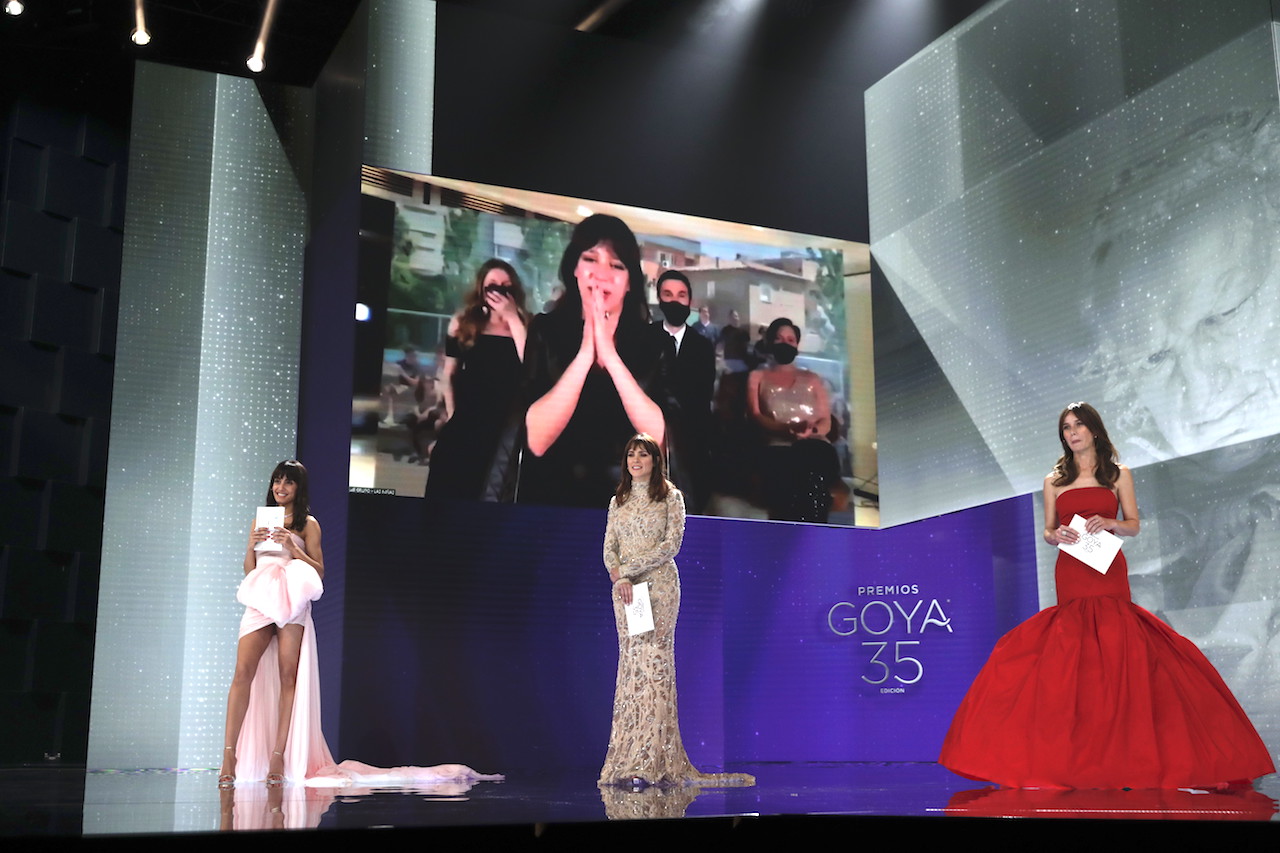
He Goya for Best Photography Direction fell on Daniela Cajías for his work in the film The Girls, the debut of Pilar Palomero. It becomes the first woman to win it.
Sergi Vilanova was also eligible for this award for Adu, Javier Aguirre for Akelarre and Ángel Amorós for Black Beach.
Upon receiving the award and surrounded by the film's team, she dedicated it to “the entire team of The girls and especially to Valérie Delpierre, Alex Lafuentea y Pilar Palomero for having trusted me, for having bet on me. Thanks to the people I love in Bolivia, to my family and my friends, to all the artists who are there.”
Cajías, of Bolivian origin, trained at the School of Cinema and Audiovisual Arts (ECA) in La Paz, and is the daughter of filmmakers Francisco Cajías and María Eugenia Muñoz, so she has been related to the world of cinema since she was a child. He has made history by winning the Goya for best Cinematography for that film. She is the first to achieve this in the 35-year history of the awards.
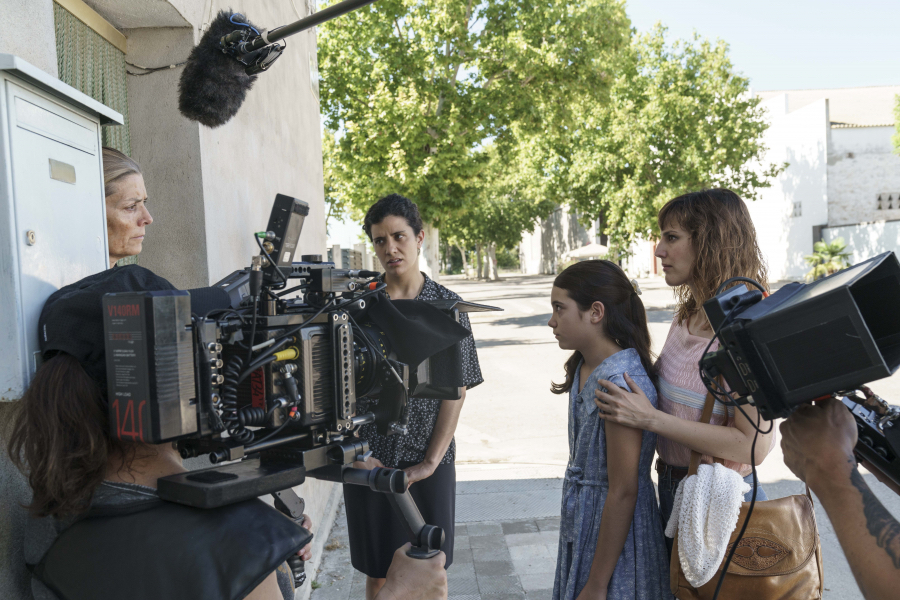
The invisible camera
In The Girls, Boxes wanted to be almost invisible, since, as she has acknowledged in interviews, she did not want to bother with tripods, cables, or lights..., but rather to shoot a bit as if it were a documentary, lighting from outside the set or the houses, so that the girls had all the freedom to act and move.
A hallmark of the photographer's work is that it relies on the use of natural light because he believes that there is something about natural textures and colors that provide a tone that convinces him more. This does not mean that she is reluctant to resort to other sources.
Su sistema de trabajo ha sido el estudio en cada localización de las entradas de luz para, ya en rodaje, ajustar lo planificado a las diversas circunstancias. El objetivo fue controlar la luz, el cambio de intensidad, cómo y por dónde redirigirla, con el fin de contribuir a la historia.
También fue idea de Cajías, acogida favorablemente por la directora de The Girls, que la película se rodara en formato 4:3, no por cuestiones estéticas, sino para que el viaje imaginario a la época fuera más real. Tenía un punto nostálgico que trasladaba a los 90, con esa televisión cuadrada. Ambas consideraron que a nivel narrativo podía aportar.
Did you like this article?
Subscribe to our NEWSLETTER and you won't miss anything.
Related articles
 Edward Lachman wins the best cinematography of the year for 'María'
 Almodóvar's film photography, recognized for the first time at the Goya through the work of Edu Grau in 'The Room Next Door'
 Adriana Vázquez, first woman to occupy the Production and Media direction at RTVE
 Pedro Luque: Goya 2024 for Best Photography with the analog and digital mix of 'The Snow Society'
 Rodrigo Sorogoyen achieves the dream double at the Goya 2023: best film and best direction for 'As Bestas'
 The Goya 2022 crowns Fernando León de Aranoa: Best Direction and Best Original Screenplay for 'The Good Patron'
 The rawness of 'Mediterráneo', recognized with the Goya for Best Photography for Kiko de la Rica
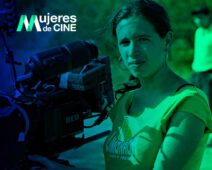 Daniela Cajías adds a new recognition as director of photography at the Online Women of Cinema Festival
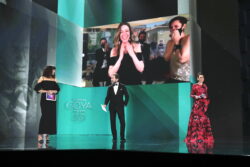 Pilar Palomero's film debut with 'The Girls' wins the Goya for Best New Director
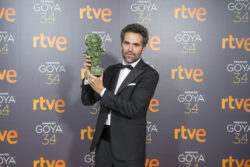 Mauro Herce receives the Goya for best photography for 'Lo que arde', shot in photochemical
 Josu Incháustegui, Goya for best photography, overcomes the challenge of light in very critical shots in 'The Shadow of the Law'
 The four stories nominated for the Goya for Best New Director, at the Film Academy
 The Academy screens the four stories nominated for the Goya for Best New Director
 Kiko de la Rica wins the Goya for best photography with 'Blancanieves', a film shot in 16 millimeters