





In-flight entertainment: connectivity on airplanes could double by 2030
La pandemia del COVID-19 ha tenido un impacto significativo en muchos sectores mundiales, incluida la industria de la aviación. Euroconsult ha analizado el impacto en el mercado de la conectividad en vuelo en su informe Prospects for In-Flight Entertainment & Connectivity.
En este informe, se sofrece un análisis exhaustivo de las tendencias globales del mercado y las previsiones para la próxima década, en términos de conectividad proporcionada a los pasajeros a bordo.
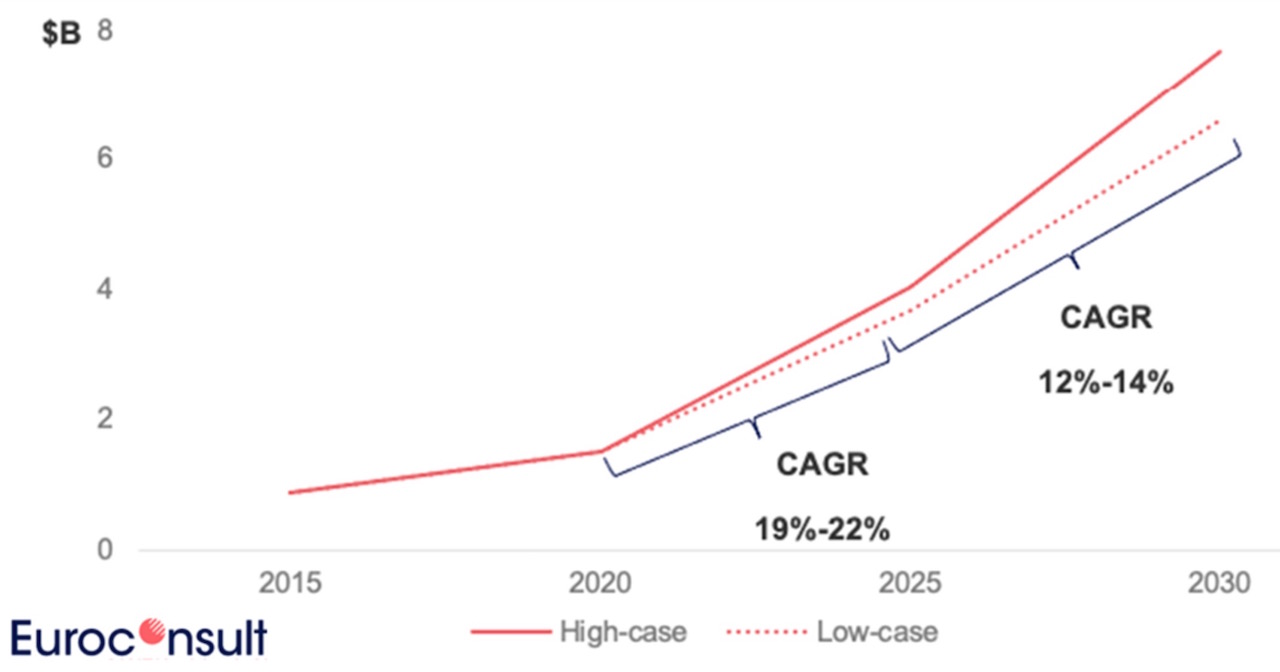
También presenta un análisis del impacto en el mercado durante el año pasado de los factores relacionados con la pandemia, como los cierres a nivel nacional, los vuelos en tierra y la inaccesibilidad para nuevas instalaciones debido al cierre de las fronteras, estimando que los ingresos por servicios de conectividad a bordo cayeron casi un tercio, hasta un total de 970 millones de dólares.
Euroconsult anticipa que la recuperación del mercado de In-flight entertainment & connectivity market (IFEC) dependerá de la recuperación de la industria de la aviación, y de los impactos a largo plazo de la crisis de COVID-19. Basándose en dos escenarios, el caso alto y el caso bajo, el análisis prevé que el número total de aeronaves conectadas alcanzará entre 16.000 y 20.000 a finales de esta década. Esta cifra es menor en relación con las previsiones anteriores, como consecuencia también de la pandemia.
Vishal Patil, de Euroconsult, destaca que “la pandemia de COVID-19 actuó como un catalizador ya que desencadenó algunas consolidaciones, algunas fusiones y algunas adquisiciones”.
Entre los ejemplos de esta actividad específica de este mercado se encuentran la adquisición de Gogo Commercial Aviation por parte de Intelsat y el principal proveedor de servicios de banda ancha y entretenimiento Anuvu, antes Global Eagle, que tras acogerse al Capítulo 11 en julio de 2020 ha salido de él con la ayuda de financiación privada. El operador de satélites de banda ancha OneWeb también se ha sometido a un procedimiento de financiación similar.
Se ralentiza el despegue
La edición de 2021 muestra que alrededor de 9.000 aeronaves de 115 compañías aéreas están equipadas actualmente con terminales de conectividad en vuelo (IFC), lo que supone una reducción del 2,5% respecto al año anterior. Más del 80% de estas aeronaves estaban conectadas a través de la conectividad por satellite, y el resto a través de la conexión aire-tierra. El índice de nuevas instalaciones ha sido mucho menor este año como consecuencia de los cierres regionales, que han dificultado el acceso a las aeronaves.
A diferencia de los informes anteriores, esta nueva edición tiene en cuenta las aeronaves regionales y los turbohélices en el análisis de la conectividad, así como las soluciones de servicios móviles por satélite (MSS). También se ofrece una actualización sobre la introducción de sistemas de satélites de órbita no geoestacionaria (NGSO), que cubre la constelación Starlink, operada por SpaceX, así como Telesat y OneWeb, así como la disponibilidad de capacidad para la aviación primero en banda Ku y luego en banda Ka.
Did you like this article?
Subscribe to our NEWSLETTER and you won't miss anything.
Related articles
 RTVE puts out to tender the contracting of two helicopters and two planes for aerial coverage
 Spotify plans to reach one billion users by 2030
 24,700 satellites to be ordered and launched by 2030
 Gogo will increase its in-flight broadband connectivity thanks to the new Amazonas Nexus from Hispasat
 Disney+ could reach 101 million subscribers in 2025
 Could Ultra High Definition be another 3D?
 Panasonic technology allows live TV to be offered on Turkish Airlines planes
 A new DJI system allows you to avoid obstacles in flight
 Netflix CEO dates the end of traditional television in 2030
 Twenty airlines already have Euronews on their planes
 The number of Ultra High Definition channels could exceed 300 in 2023
 Ericsson opens the doors to a new era of entertainment and connectivity
 'Birdboy' takes flight with a Goya
 Live radio in mid-flight